
Last updated November 22, 2026
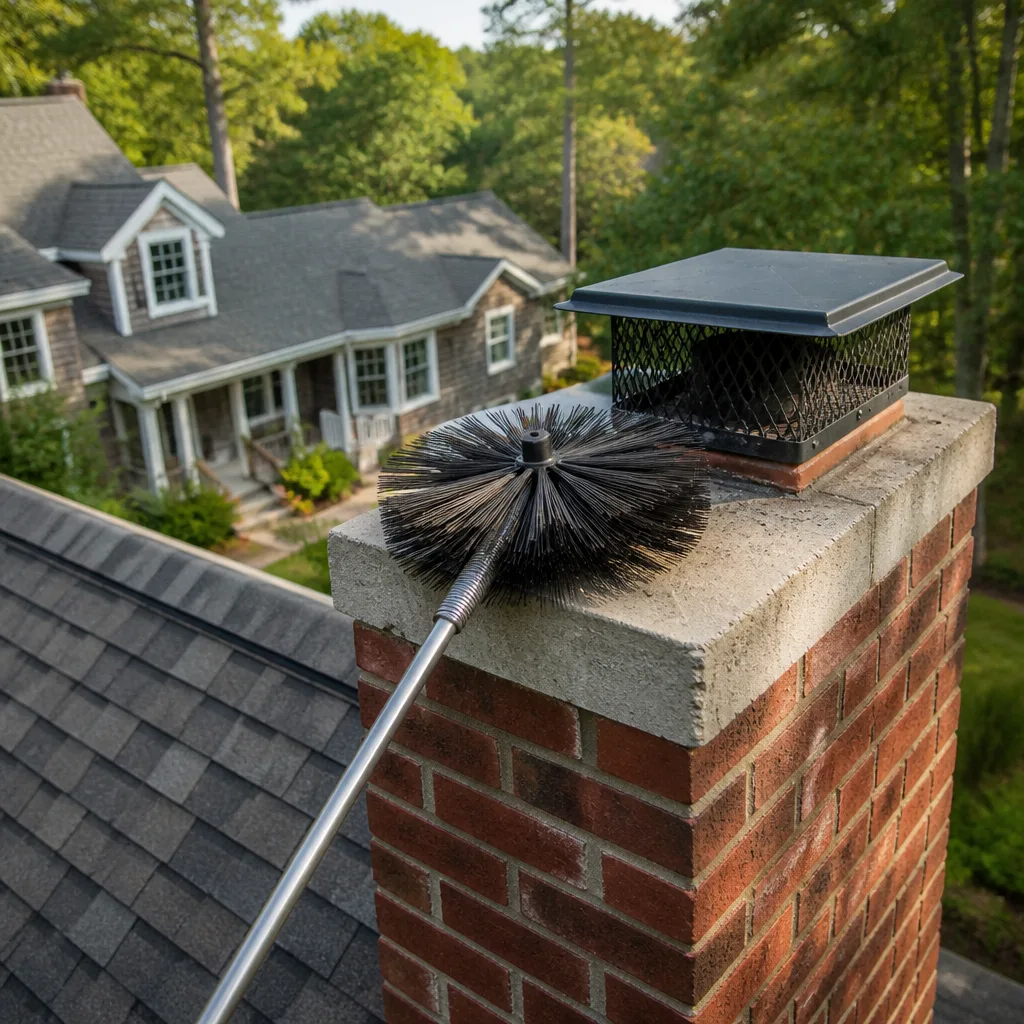 Sweep & inspection
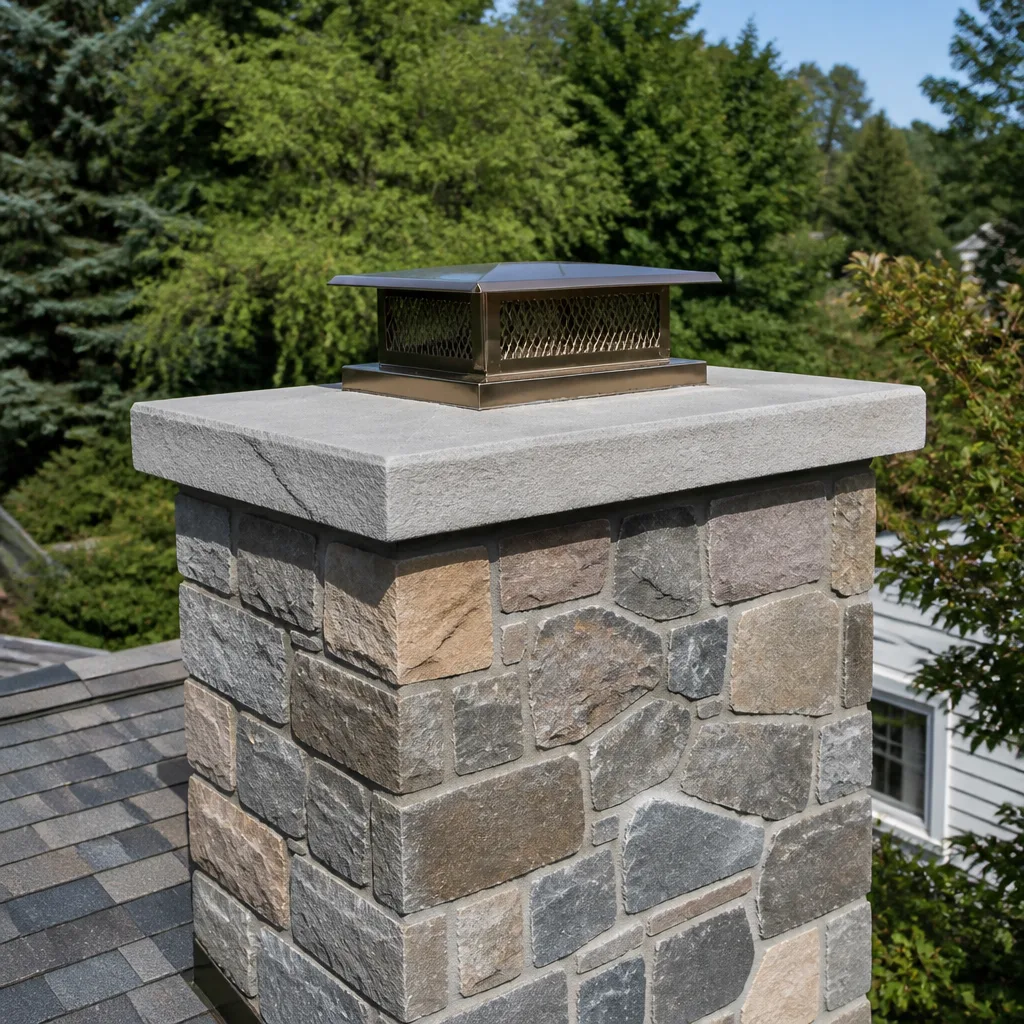 Caps & crowns
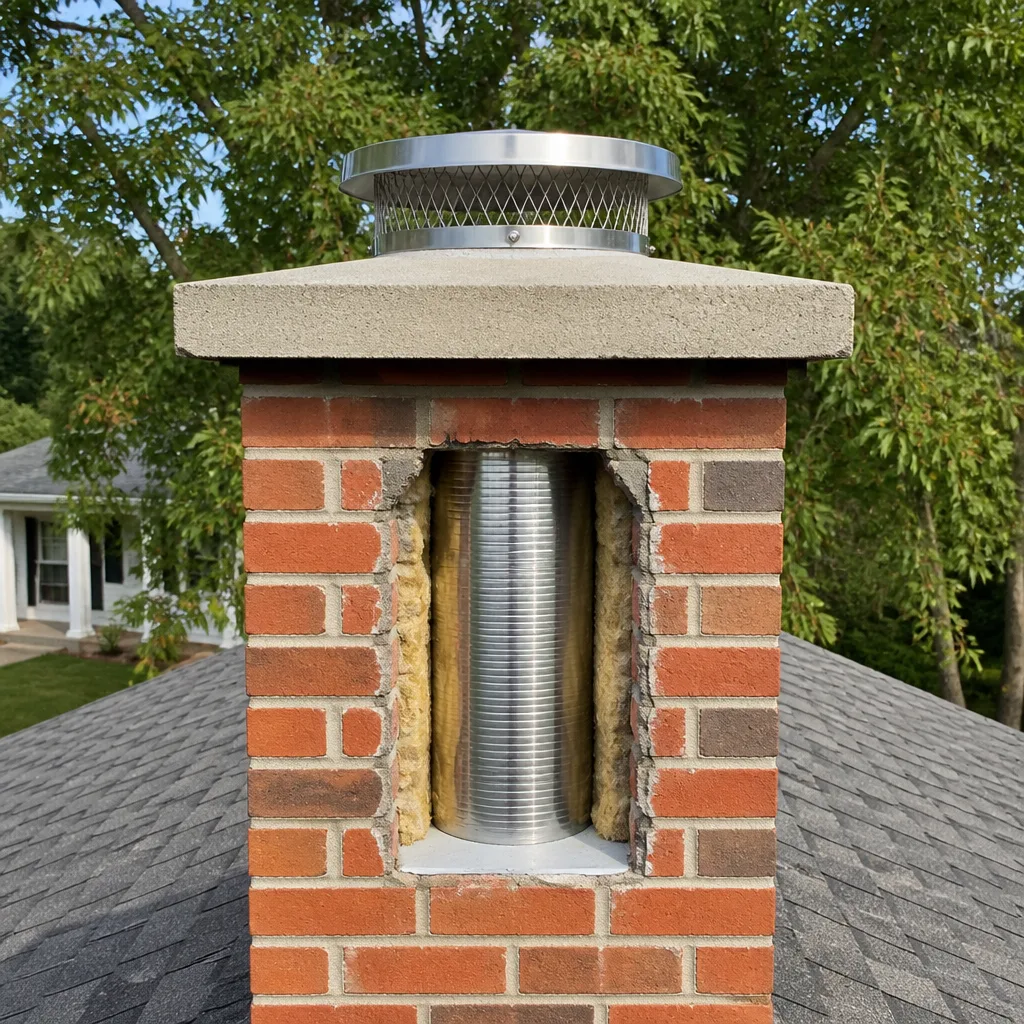 Flue relining
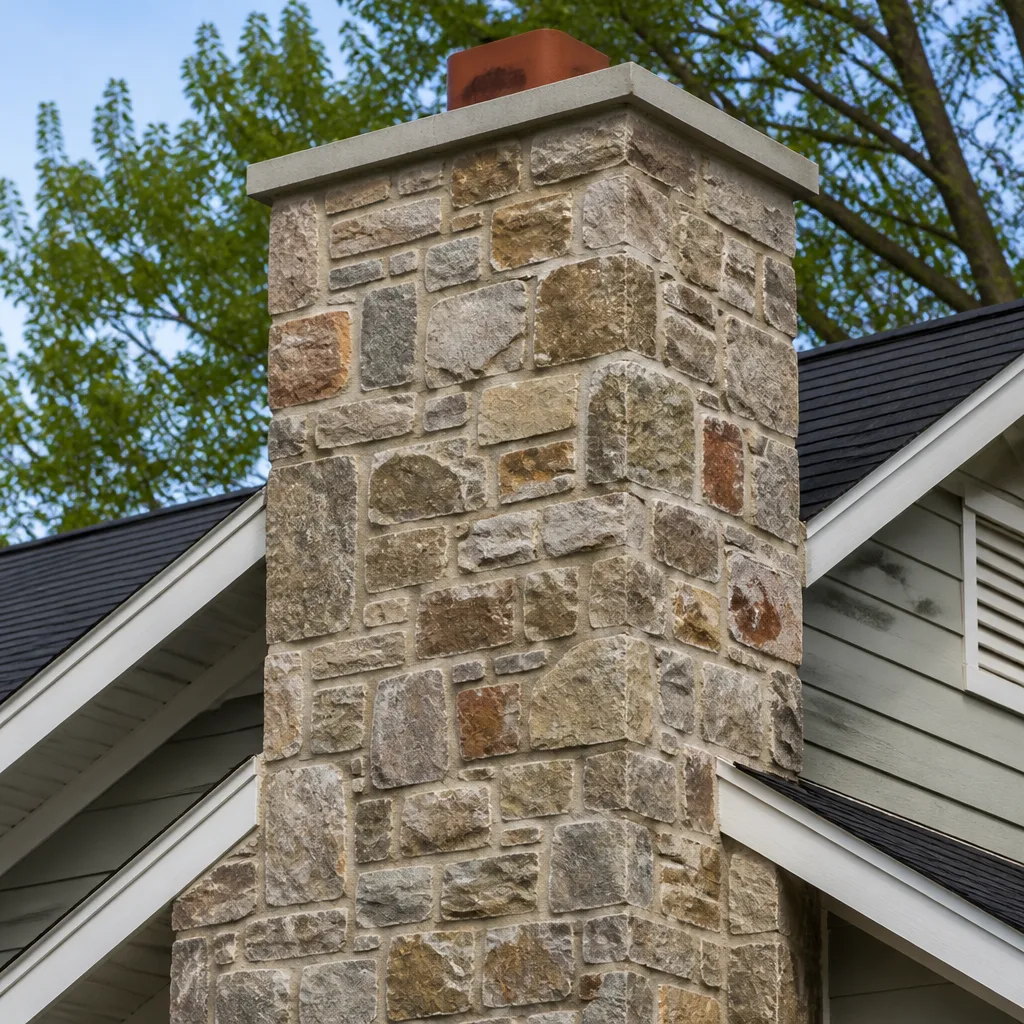 Masonry repair
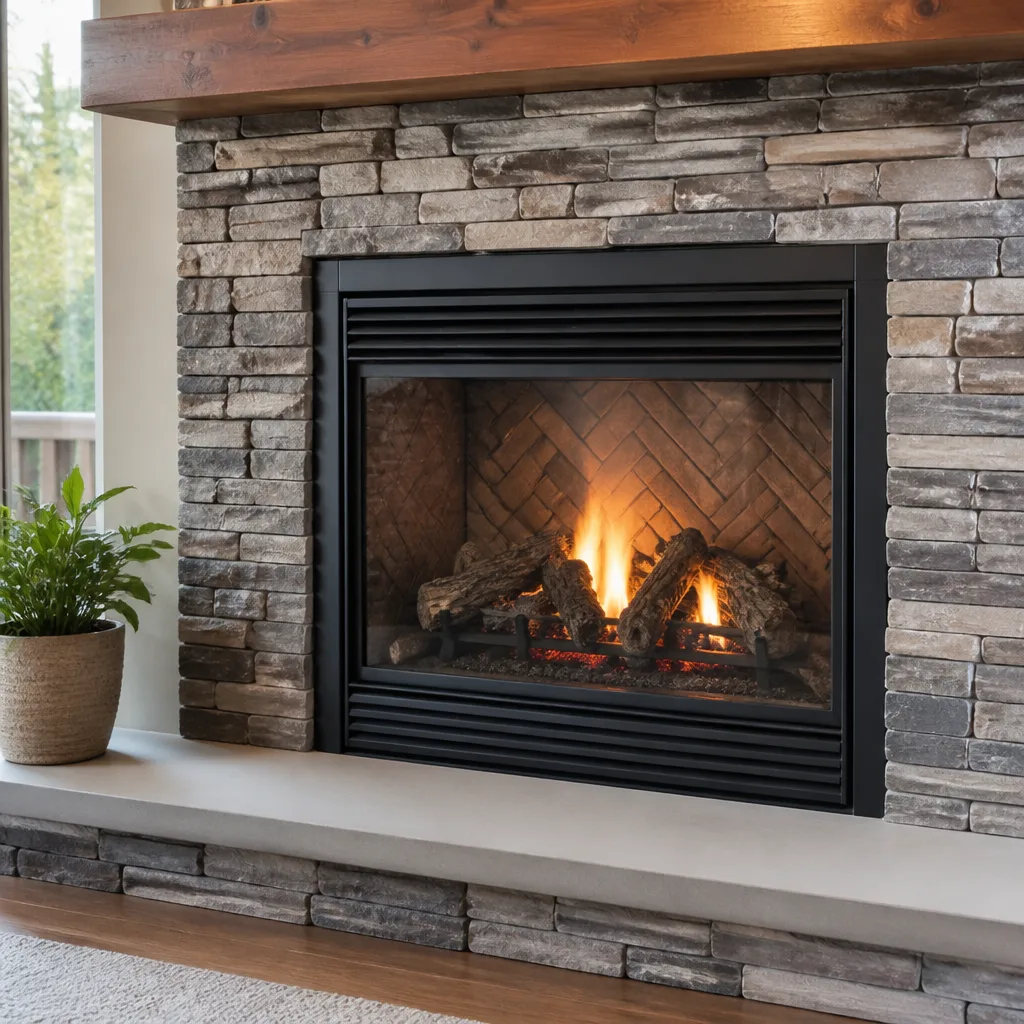 Gas fireplace service
Level 1 sweep and inspection to the NFPA 211 annual standard - flue, crown, cap, and flashing checked and photographed
Chimney sweep logs do not sweep chimneys. They loosen some creosote - which then falls where a brush and vacuum still have to collect it.
Chimney Sweep Troubleshooting in Rhawnhurst: Common Problems and How to Fix Them
That smoky living room after you light a fire isn’t always a dirty flue. Plenty of Rhawnhurst homeowners call us convinced they need a sweep, and the real cause turns out to be a kitchen exhaust fan pulling air out of the house faster than the chimney can replace it. The fire struggles, smoke curls into the room, and no amount of brushing will change it. This guide teaches you to read your chimney’s warning signs the way a technician does, so you can trace a problem to its source instead of guessing. You’ll learn to tell draft issues from blockages from creosote buildup, understand why the tight construction of Rhawnhurst row homes creates backdraft, and know which problems need a call today versus which can safely wait.
Quick Answer
Most chimney problems in Rhawnhurst come down to one of three things: a draft problem, a blockage, or creosote buildup, and each one leaves different clues. A smoky fire that starts strong and fades points to draft or air pressure. Smoke that appears the moment you light up often means a blockage. A slow, gummy burn with a strong smell usually points to creosote. Trace the symptom to the right category first, and you avoid paying for a sweep that fixes nothing or missing a problem that needs real repair.
Styles & brands we work with
- Sweep & inspection
- Caps & crowns
- Flue relining
- Masonry repair
- Gas fireplace service
Table of Contents
- Reading Your Chimney’s Symptoms Before You Call Anyone
- Why Rhawnhurst Row Homes Get Smoke Backdraft
- First-, Second-, and Third-Degree Creosote: What Each One Means
- Cracked Flue Tile vs. Deteriorated Mortar: Two Different Repairs
- Blockages, Caps, and the Crown: Where Trouble Starts Outside
- Same-Day Problems vs. Problems That Can Wait
- How a Real Diagnosis Works: Step by Step
- Preventing Repeat Problems in Rhawnhurst Homes
Reading Your Chimney’s Symptoms Before You Call Anyone
Before you pick up the phone, spend two minutes paying attention to how your fireplace actually behaves. The clues you notice narrow the problem fast, and they help whichever technician you call get to the right answer quicker. Here’s how to sort the three main categories using nothing but your senses.
Draft problems show up as smoke that starts fine, then rolls back into the room as the fire heats up. The flame may look lazy. Opening a window a crack sometimes clears it instantly. That last detail is a strong tell: if fresh air fixes it, you’re dealing with pressure, not a dirty flue.
Blockage problems usually announce themselves early. Smoke refuses to go up at all, the fire is hard to light, and you may smell a musty or animal odor even when there’s no fire burning. A nest, a fallen cap, or a leaf pack at the top of the flue will do this.
Creosote buildup often smells sharp and tarry, especially on a warm, humid day when the chimney isn’t running. The fire may burn sluggishly, and the glass or firebox can look stickier than usual. You might see flaky black deposits near the damper.
Write down what you notice and when it happens. “Smokes only when the kitchen fan is on” is the kind of detail that saves a whole diagnostic step. In Rhawnhurst, where houses sit close together and many flues are original to the building, that small bit of observation is worth more than a guess any day.
Why Rhawnhurst Row Homes Get Smoke Backdraft
A chimney works on a simple principle: warm air rises, and the flue needs to pull replacement air from somewhere. In a drafty old farmhouse, that air leaks in through gaps around windows and doors all day long. In a tightly sealed Rhawnhurst row home, it doesn’t. The house becomes a closed box, and every exhaust fan, dryer, or bathroom vent competes with the chimney for the same limited air supply.
When the kitchen hood kicks on and pulls more air out than the house can replace, the pressure inside drops. The chimney, which needs to pull air up and out, suddenly finds itself pulling the wrong way. Smoke that should be heading up the flue curls back into the living room. Homeowners in Rhawnhurst often mistake this for a dirty chimney and book a sweep that can’t possibly help.
A few things make this worse:
- Tight modern windows and weatherstripping. Good for your heating bill, bad for chimney draft if the house has no dedicated air path.
- Competing exhaust fans. Kitchen hoods, bathroom fans, and clothes dryers all pull air out of the same house.
- Flues that run up an interior wall. Common in older Rhawnhurst construction, these stay warmer and often draft better than exterior flues, but they still need makeup air.
- Oversized flues for the firebox. A flue that’s too big for the fireplace never warms up enough to establish a strong pull.
If opening a nearby window a crack clears the smoke, that’s your confirmation. It’s a pressure problem, not a cleaning problem. The fix might be as simple as cracking a window during startup, or it might mean looking at the flue size and the home’s ventilation together. This is exactly the kind of symptom a sweep-only outfit misses.
First-, Second-, and Third-Degree Creosote: What Each One Means
Creosote is the residue left behind when wood smoke cools on its way up the flue, and it doesn’t all look the same. Chimney professionals sort it into three stages, and the stage matters because only one of them is anywhere near a homeowner-level concern.
- First-degree creosote is a light, flaky, soot-like dust you can brush away easily. This is what a routine sweep is designed to remove, and it’s the normal, expected buildup in any wood-burning chimney between cleanings.
- Second-degree creosote is darker, shinier, and comes off in crusty flakes or curls. It’s harder to remove and often needs more than a standard brush pass. Left alone, it thickens and hardens.
- Third-degree creosote is the glazed, tar-like coating that looks almost like black glass. It’s baked onto the flue walls, it’s highly flammable, and it does not brush off. This stage is a genuine fire risk and needs a trained technician, not a homeowner with a pole brush.
Here’s the part most people miss. You can’t reliably tell which stage you have by looking up the flue from the firebox with a flashlight. The glazed third-degree coating is often higher up, out of sight, and even a gloved hand sweeping the flue can miss it. That’s why a proper inspection uses a camera to see the full interior of the flue, not just the part you can reach. When we quote a sweep, we don’t upsell based on a guess from the firebox floor. The camera shows what’s actually there, and the photo report is yours to see.
In Rhawnhurst’s climate, with cold winters and a long heating season, creosote builds faster in any chimney that burns unseasoned wood or runs with a restricted air supply. A smoldering, low-oxygen fire produces far more creosote than a hot, clean burn. That’s a burning habit you can change, and it’s the cheapest fix on this whole page.
Cracked Flue Tile vs. Deteriorated Mortar: Two Different Repairs
These two problems look similar from inside the firebox, and homeowners often assume they’re the same repair. They’re not, and the difference matters for your budget.
A cracked flue tile is a break in the clay liner itself. It can be a single hairline crack or a full split through the tile. Once the liner is cracked, hot gases and carbon monoxide can leak out of the flue and into the chimney structure or the house instead of going up and out. A crack also lets creosote seep behind the liner, where it sits against combustible material. This is the more serious problem, and depending on the extent, the fix can range from a HeatShield ceramic resurfacing approach that seals the damaged section from the inside, to a full liner installation using a system like DuraFlex or Olympia Chimney.
Deteriorated mortar joints are the softer material between the tiles. Crumbling mortar between good tiles is a real issue, but the tiles themselves may still be sound. Sometimes the fix is repointing, sometimes the joint deterioration signals a larger structural problem worth investigating before you commit to anything.
How do you tell the difference from the firebox? Look for the shape of the damage. A crack runs along or across a tile face, often in a jagged line. Worn mortar looks like recessed, sandy, or missing material between otherwise solid tile faces. Neither is something to diagnose from the ground with a flashlight and a smartphone photo. A camera inspection shows both clearly, and the repair path for each is completely different. That’s why a thorough inspection comes before any quote, not after.
Blockages, Caps, and the Crown: Where Trouble Starts Outside
Not every chimney problem lives in the flue. Some of the most common issues in Rhawnhurst start at the top of the chimney, where the weather gets to work on it year after year.
Missing or damaged caps are a frequent culprit. A chimney cap keeps rain, birds, squirrels, and leaves out of the flue. When it’s gone or rusted through, debris gets in, and the blockage symptoms show up: a fire that won’t draw, a musty smell, or in the worst case, an animal in the flue. A proper chimney cap & crown job puts a lid back on and stops the problem from repeating.
A cracked crown is the concrete or masonry cap at the very top that sheds water away from the chimney structure. When it cracks, water gets into the brick and mortar, freezes over a Pennsylvania winter, and breaks the structure down from the inside. That freeze-thaw cycle is one of the biggest reasons Rhawnhurst chimneys need repair work that a warmer climate would put off for decades. Freeze-thaw damage in this region is real and cumulative.
Blocked flues can also come from inside the firebox. A damper that’s stuck closed, a collapsed piece of liner, or a heavy buildup of soot near the smoke shelf can all create a blockage even when the top of the chimney looks fine. This is why a top-down camera inspection misses half the problem. You need to see the whole flue from both directions.
If you’re noticing a draft problem that a sweep didn’t fix, or you suspect damage at the top, a proper chimney repair inspection will show you what’s actually going on. We’ve seen plenty of jobs where the real fix was a crown and a cap, not a rebuild.
Same-Day Problems vs. Problems That Can Wait
Not every chimney issue is an emergency, and treating everything as urgent is how homeowners end up paying for work they didn’t need right away. Here’s how to sort them honestly.
Problems that genuinely need attention today:
- Smoke filling the living space with no clear cause, especially with a fire burning.
- Any smell of gas from a gas fireplace or gas appliance connected to the chimney.
- Visible flames or glowing in the chimney structure itself, or a chimney that’s hot to the touch on the outside.
- Carbon monoxide alarms sounding when the fireplace or a connected appliance is running.
- A sudden, complete loss of draft combined with a burning smell and no obvious explanation.
If you have any of those, stop using the fireplace and call. These are the situations where the risk is real and waiting isn’t worth it.
Problems that can safely wait for a scheduled inspection:
- A smoky fire that clears when you open a window, pointing to draft and pressure rather than imminent danger.
- First- or second-degree creosote buildup without glazing visible to a technician.
- A missing cap or a cracked crown with no current blockage.
- Slow draft that’s been that way for years with no smoke in the room.
- A fireplace you haven’t used and don’t plan to use until you schedule an inspection before the season starts.
The seasonal rhythm matters in Rhawnhurst. Get ahead of the fall rush and a booked sweep is quick. Skip it, light the first fire of the season, and suddenly the problem feels urgent. Plan the inspection before the heating season, and most of what looks like an emergency on a cold night is already handled.
How a Real Diagnosis Works: Step by Step
When we look at a chimney problem, we follow the same sequence every time, whether the job turns out to be a routine sweep or a full liner installation. Here’s what that looks like, so you know what to expect.
- Listen to the symptoms first. Before anyone climbs up, we ask about the burn behavior, the timing, the smells, and whether exhaust fans change anything. This narrows the problem fast.
- Inspect from the firebox up and the top down. A full inspection sees the whole flue, not just one end. The firebox, damper, smoke shelf, flue, crown, and cap all get checked.
- Run a camera through the flue. The camera shows the exact condition of the liner: tile integrity, mortar joints, creosote stage, and any blockage. A photo report lets you see what we see.
- Confirm the air pressure picture. We check for tight-house pressure problems, competing fans, and flue sizing that might explain draft issues a cleaning won’t fix.
- Explain what’s there, then quote. Every recommendation is tied to something visible in the report. If a problem can wait, we say so.
This is a diagnostic process, not a sales process. If the camera shows a clean flue with no damage, that’s the answer. If it shows a cracked liner and glazed creosote, you’ll see both on the report before we quote a fix. From annual sweep to full liner rebuild, one call covers it all, and the diagnosis decides which end of that range you’re actually in.
Preventing Repeat Problems in Rhawnhurst Homes
Once the current problem is solved, a few habits keep it from coming back. None of them are expensive, and most take minutes.
- Burn dry, seasoned wood. Wood with too much moisture smolders and coats the flue with creosote. Get it stacked and seasoned before the season starts.
- Don’t smolder your fire all evening. A long, slow, cool burn is the biggest creosote producer there is. Hot fires burn cleaner.
- Crack a window when you notice draft issues. In a tight Rhawnhurst home, makeup air solves more draft problems than any cleaning will.
- Keep the cap intact. A working cap stops animals, rain, and leaves from turning into a blockage problem.
- Book an inspection before the heating season. Rhawnhurst winters are long, and the fall is the best time to find problems before a cold night forces the issue.
- Watch the crown every year. A small crack caught early is a repair. A crown that freezes and thaws for several winters is a rebuild.
Schedule the sweep, watch for the symptoms this guide describes, and you’ll catch most problems while they’re still cheap. That’s the whole point of troubleshooting: to know what you’re looking at before it becomes something bigger. If you’d rather have a technician look at it now, we answer the phone and a chimney sweep in Rhawnhurst is a quick call away.
Common Mistakes to Avoid
- Assuming a smoky fire means a dirty flue. In Rhawnhurst’s tight row homes, opening a window a crack to check if the smoke clears is the fastest way to rule out a pressure problem. If it clears, no sweep will fix it.
- Waiting until the first cold week to book an inspection. Fall fills fast, and a problem found in October is a booked job, not a scramble. Get ahead of it.
- Trying to clean third-degree creosote yourself. Glazed, tar-like deposits don’t brush off and shouldn’t be attacked with a pole tool from the firebox. That’s a job for a trained technician.
- Ignoring a cracked crown because the fire still burns. Water getting into a broken crown freezes over a Pennsylvania winter and worsens every season. It’s a repair now, a rebuild later.
- Running a gas fireplace on the assumption it can’t have problems. Gas appliances connected to a flue can leak combustion products if the flue is damaged. Carbon monoxide risk is real, and a camera inspection catches it.
- Assuming a cracked-looking flue tile and a crumbling mortar joint are the same repair. They’re not. The repair path and the cost are different, and only a proper inspection tells you which one you have.
- Skipping a photo report. A recommendation you can’t see is a recommendation you can’t verify. Ask for camera evidence before committing to liner or masonry work.
See the difference
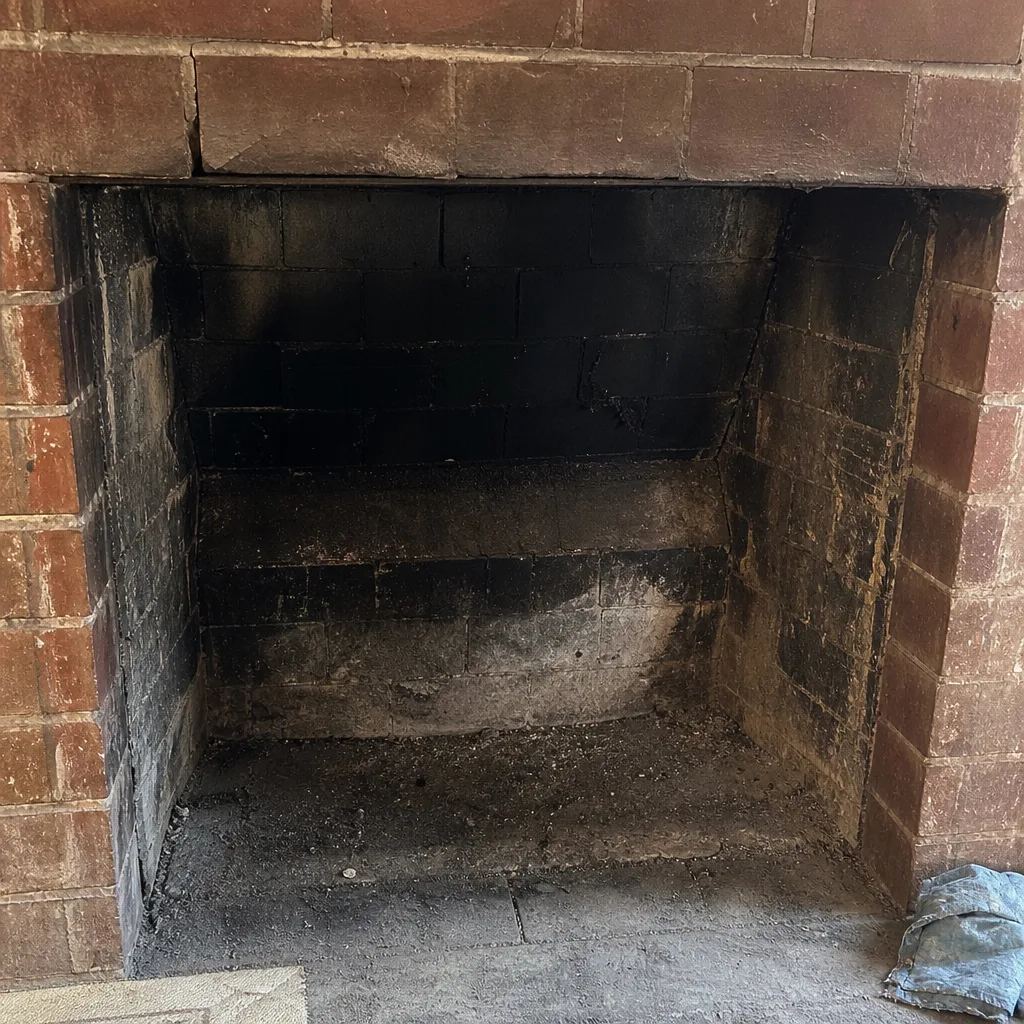 Before
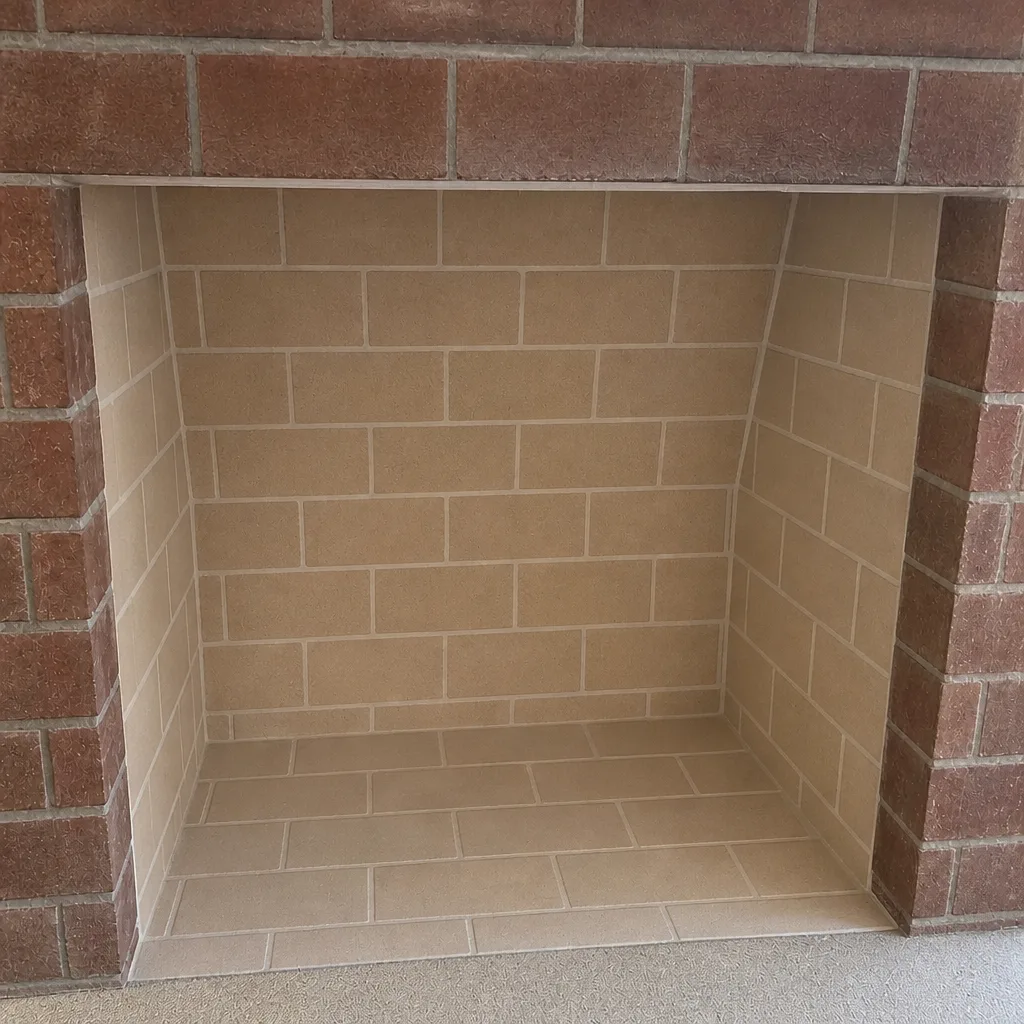 After
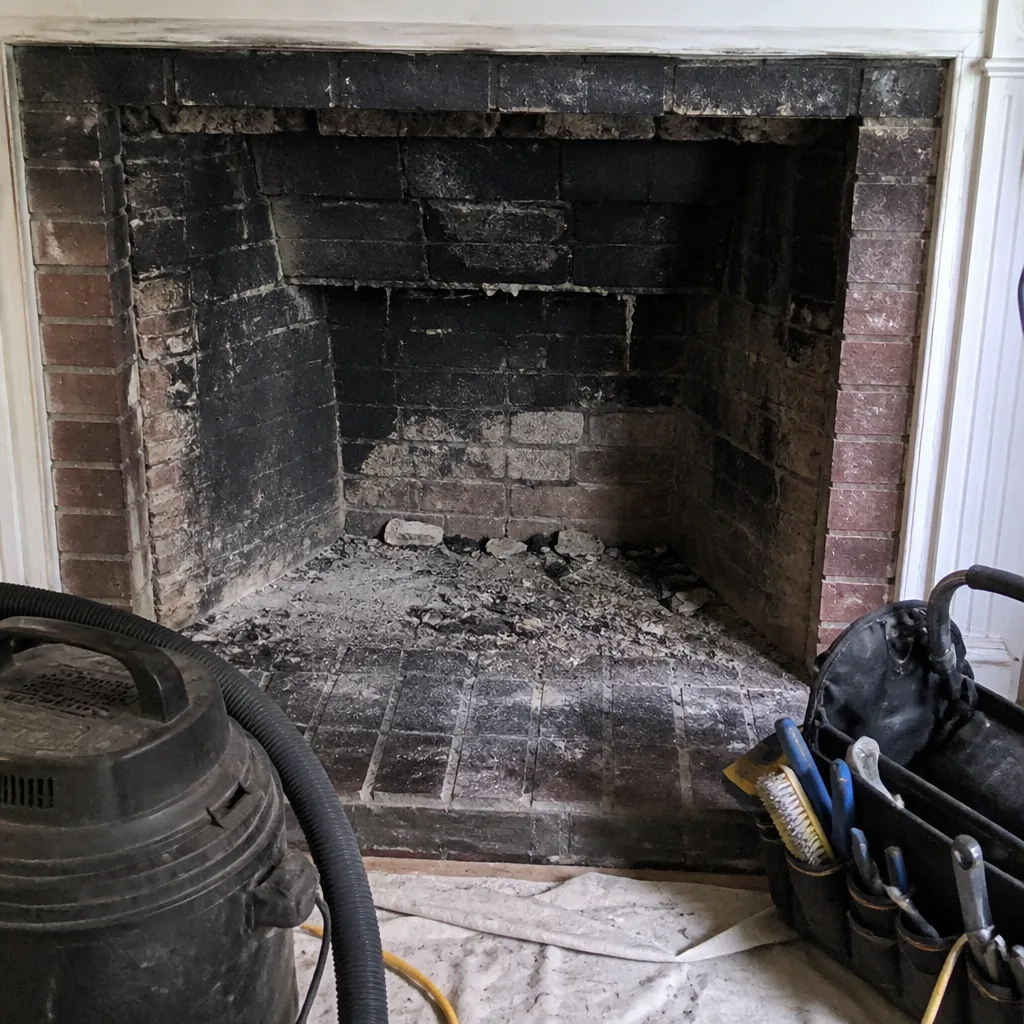 Before
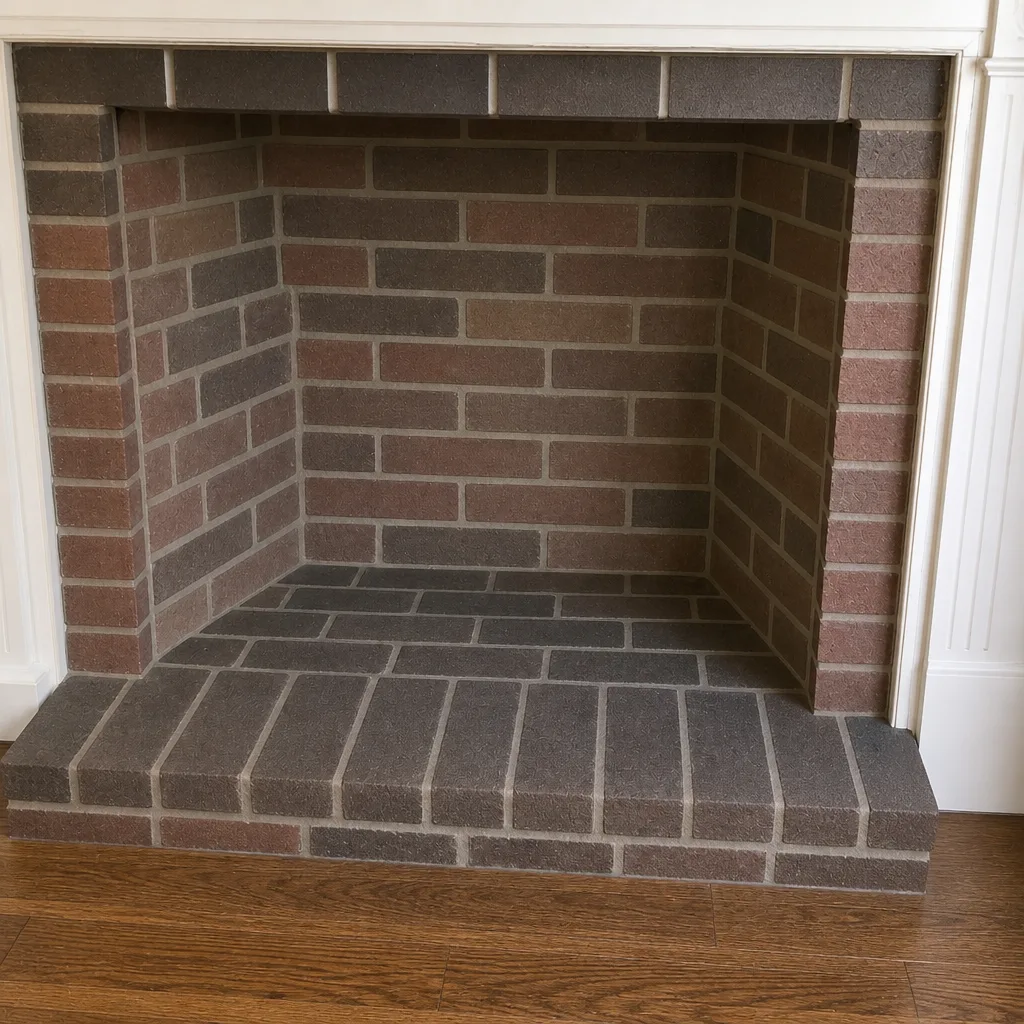 After
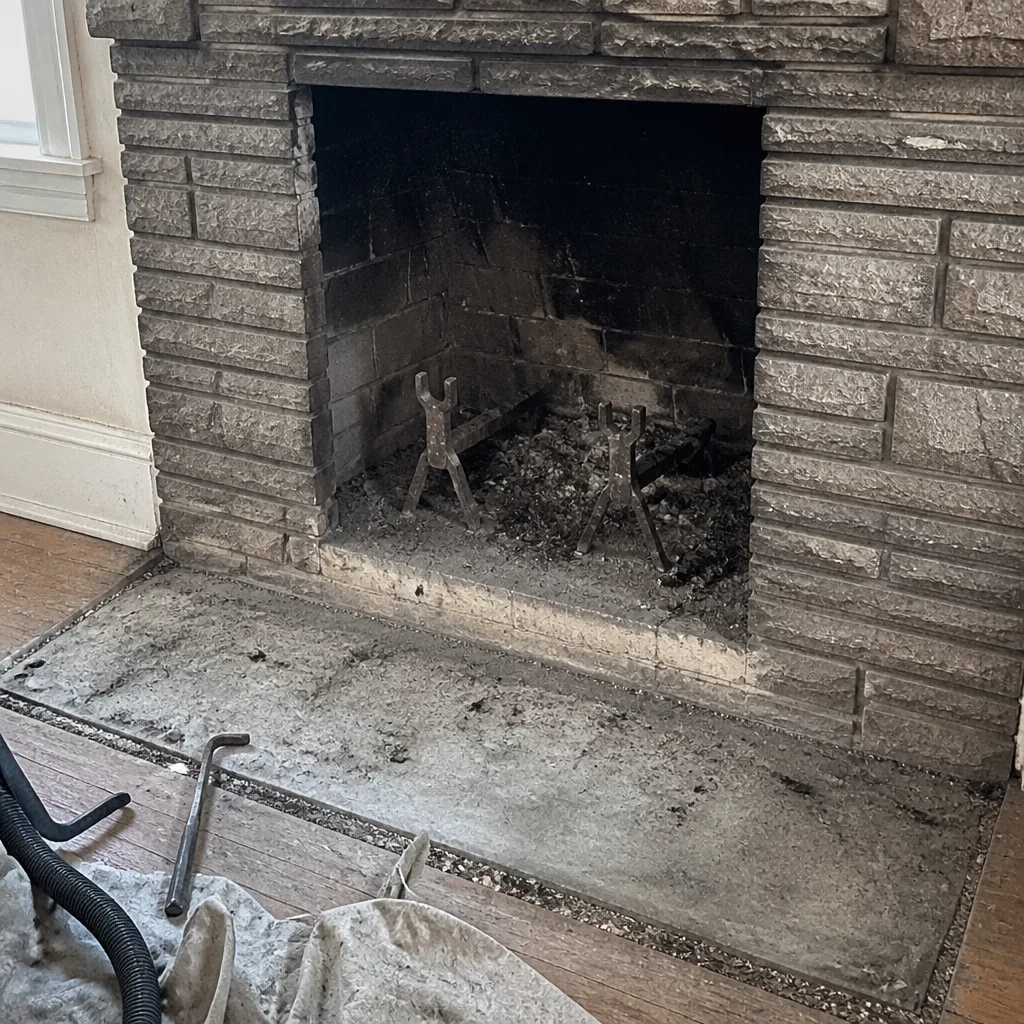 Before
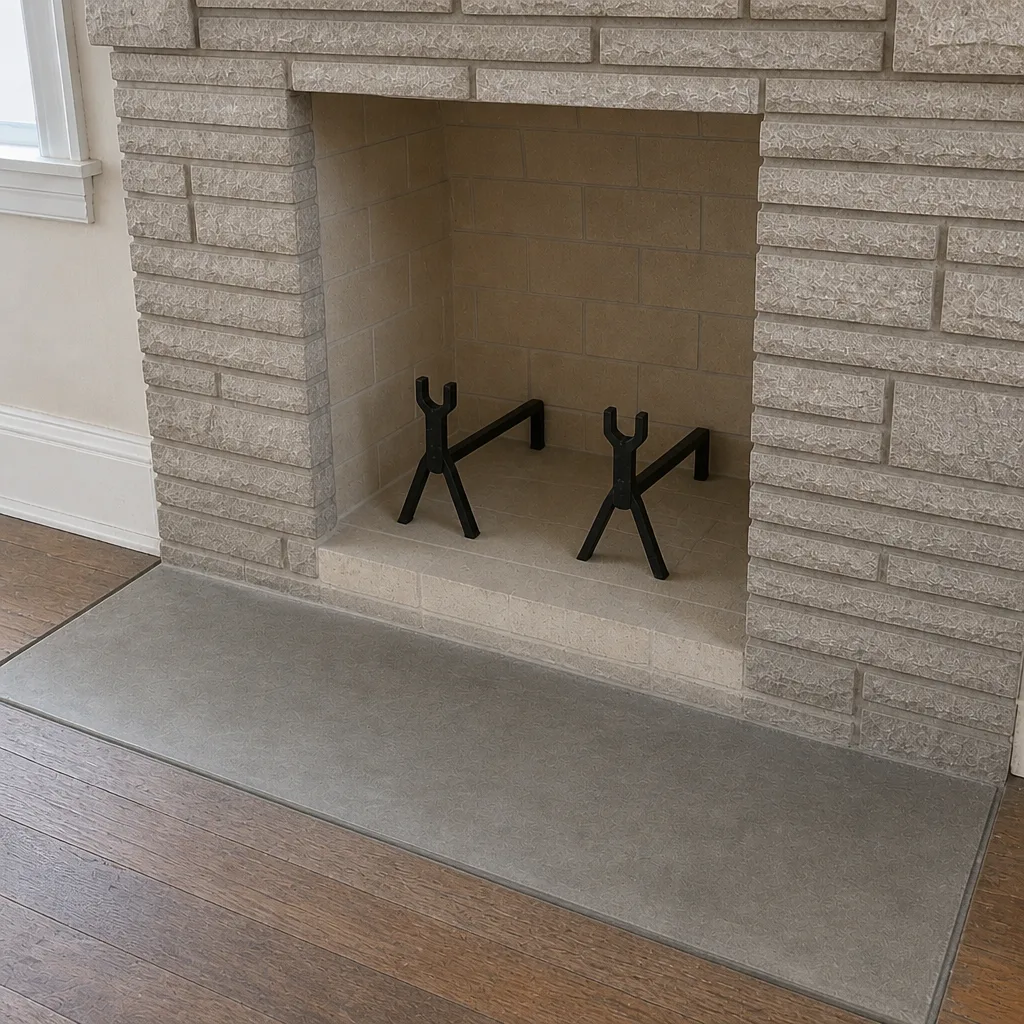 After
When to Call a Professional
Call us when smoke fills the room and opening a window doesn’t clear it, when you smell gas at a gas fireplace, when a carbon monoxide alarm sounds while an appliance is running, or when the outside of the chimney feels hot with no fire burning. Those are stop-and-call scenarios. Also call if a sweep didn’t fix the symptom, if a crown is visibly cracked, or if you’ve seen glazed creosote and don’t know the stage. For everything else, book an inspection and let the camera show what’s actually there. Nothing gets recommended without evidence you can see for yourself, and if a problem can safely wait, we’ll tell you. Chimney Sweep Rhawnhurst offers free estimates in Rhawnhurst. Call (866) 861-1187.
Frequently Asked Questions
That’s a classic negative air pressure problem, not a dirty flue. The exhaust fan pulls air out of the tightly sealed house faster than the chimney can replace it, and the smoke reverses direction. Opening a nearby window a crack usually proves it instantly. If that clears the smoke, the fix is air supply and draft, not a sweep.
You probably can’t tell by looking up the flue from the firebox with a flashlight. Third-degree creosote is the glazed, tar-like coating that often sits higher up in the flue and needs a camera to see clearly. A proper inspection with a photo report shows the creosote stage and whether it needs a professional removal, which is a job for a trained technician, not a homeowner.
Sometimes, yes. A HeatShield ceramic resurfacing approach can seal certain liner damage from the inside without tearing out the whole liner, and it’s an option when the damage is limited. When the damage is more extensive, a full liner installation using a DuraFlex or Olympia Chimney system is the safer path. The camera inspection tells you which category your chimney is in.
No. A fire that smokes and then clears when you open a window is usually a draft and pressure problem you can book an inspection for. A fire that fills the room with smoke and won’t clear is different, and so is any smoke combined with a hot chimney exterior or a carbon monoxide alarm. Those need a call today.
Most wood-burning chimneys should be inspected once a year, and the best time is before the heating season starts so any problem gets found before a cold night forces the issue. Rhawnhurst’s long, cold winters mean the flue works hard, so annual inspections catch creosote buildup and crown damage early, when they’re cheap to fix.
A draft problem shows up as a fire that lights, then smokes as it heats up. A blockage usually stops the fire from drawing at all, and you may smell a musty animal odor even with no fire burning. The two look similar to a homeowner, and only an inspection from both ends of the flue tells them apart confidently.
The Bottom Line
Most chimney problems in Rhawnhurst trace back to one source, and the clues are already in your living room. Read them before you call anyone: how the fire behaves, when the smoke appears, whether a window changes anything. That narrows a problem to draft, blockage, or creosote fast. From there, a camera inspection shows exactly what’s going on, and you decide what to do with evidence in hand. The Chimney Sweep Rhawnhurst team works with industry brands like DuraFlex, Famco, and Copperfield, and we diagnose before we quote. Call (866) 861-1187 for a free estimate. We answer 24/7. Fast dispatch from 7am to 7pm, Sunday through Friday.
Written by the team at Chimney Sweep Rhawnhurst.