
Last updated November 22, 2026
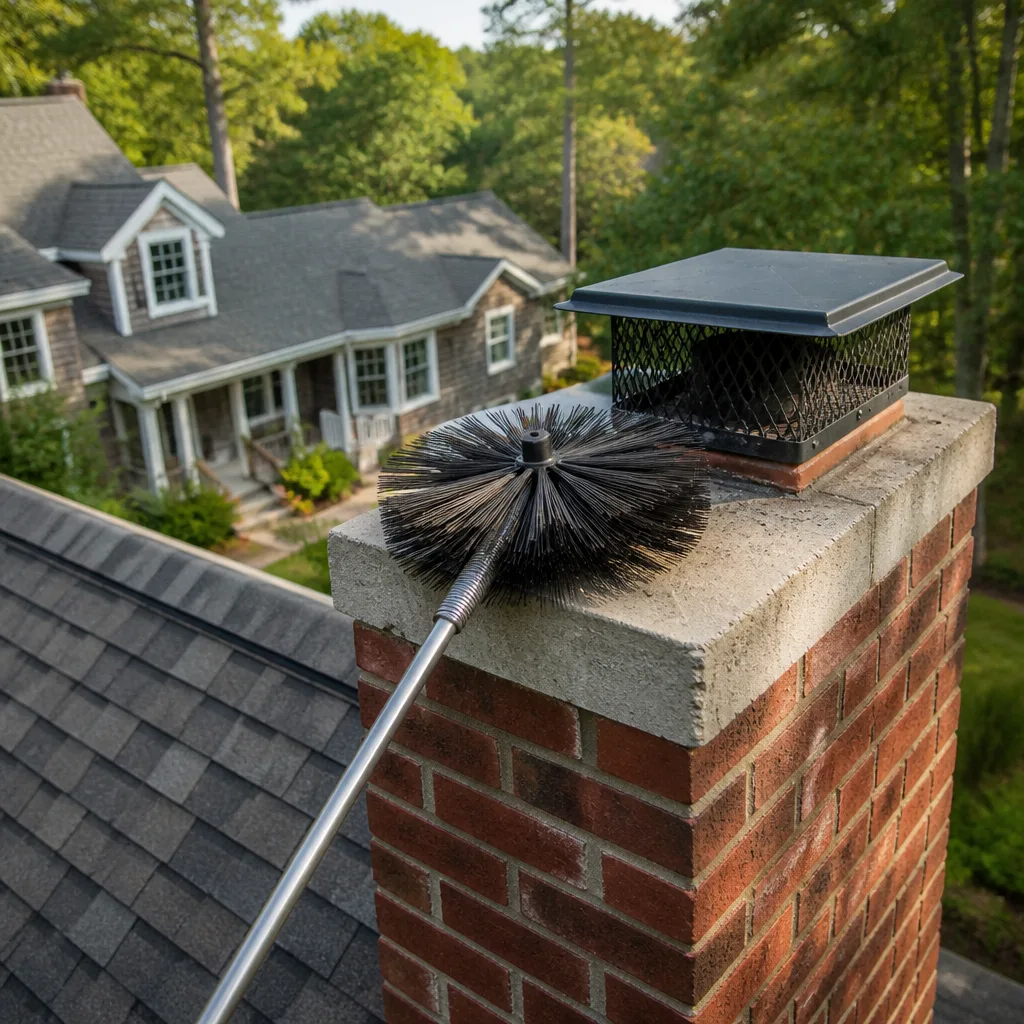 Sweep & inspection
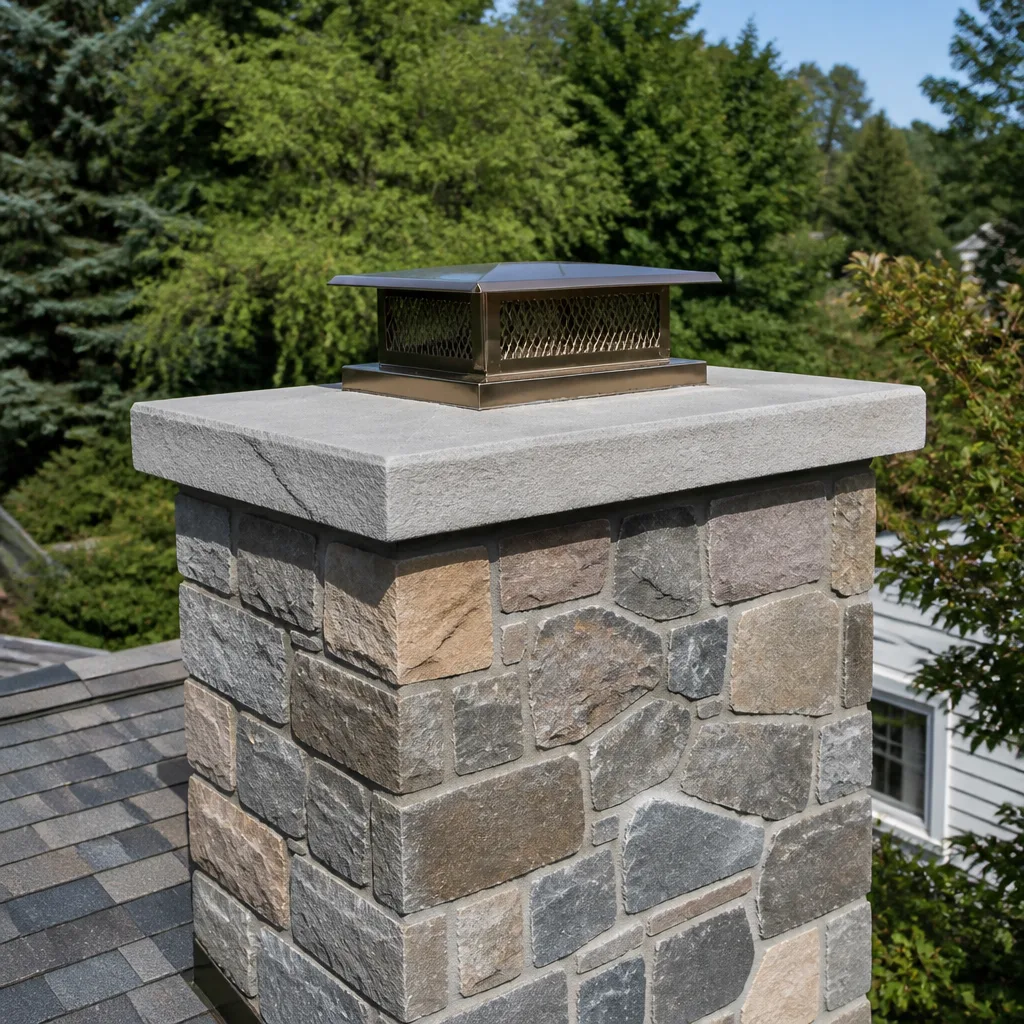 Caps & crowns
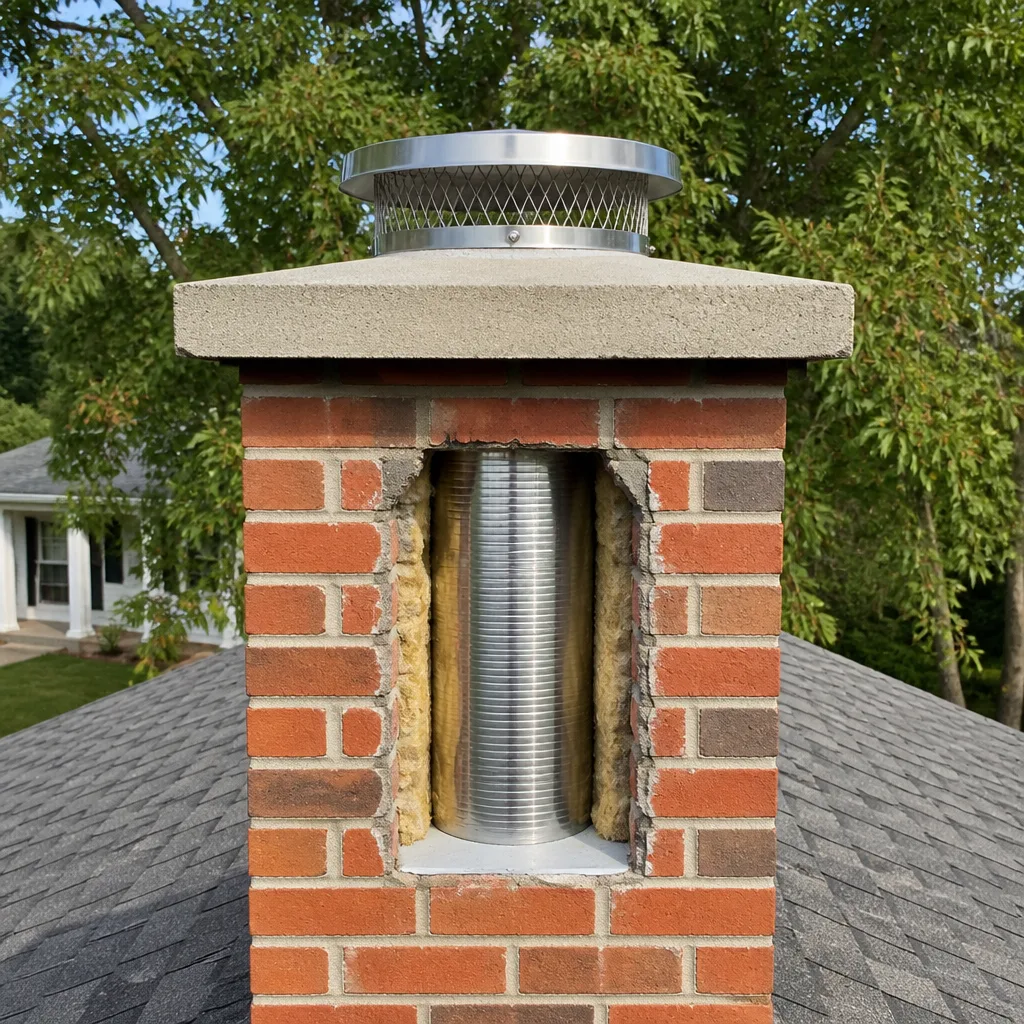 Flue relining
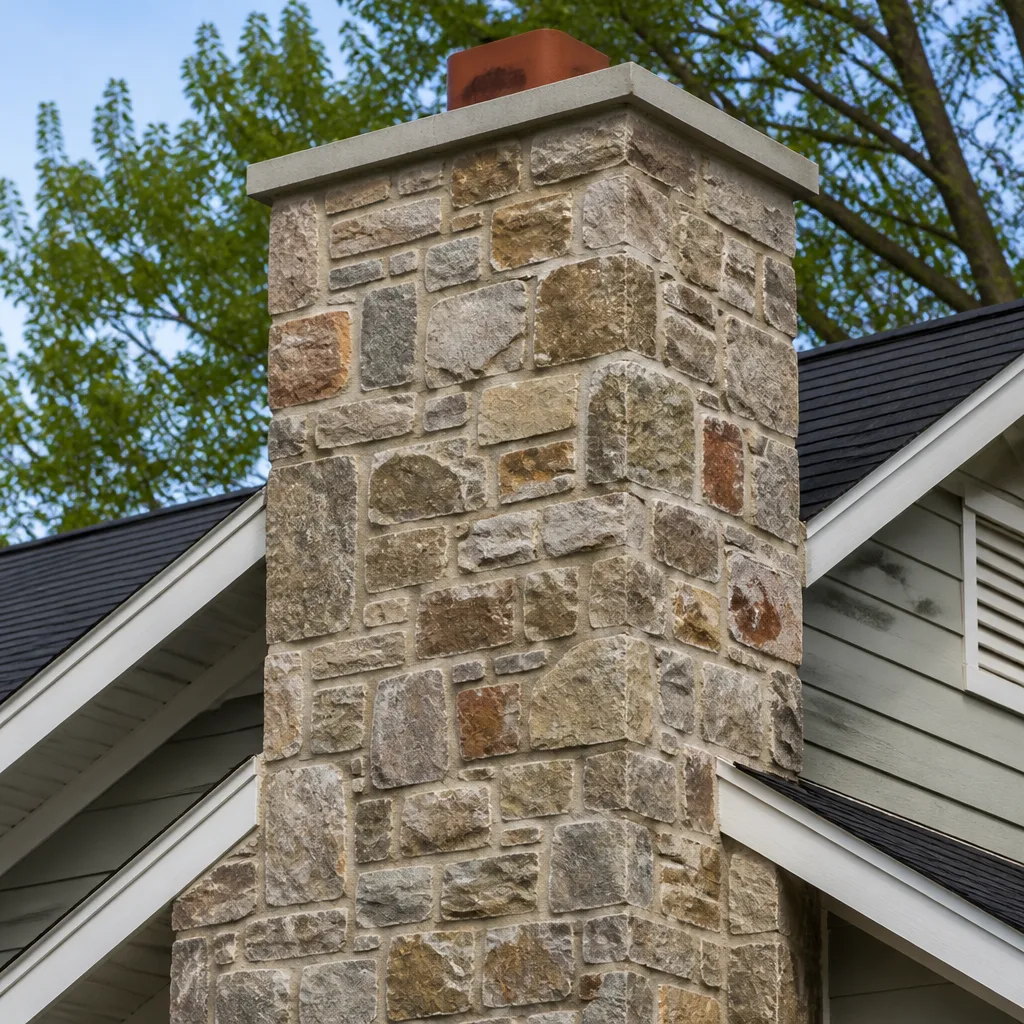 Masonry repair
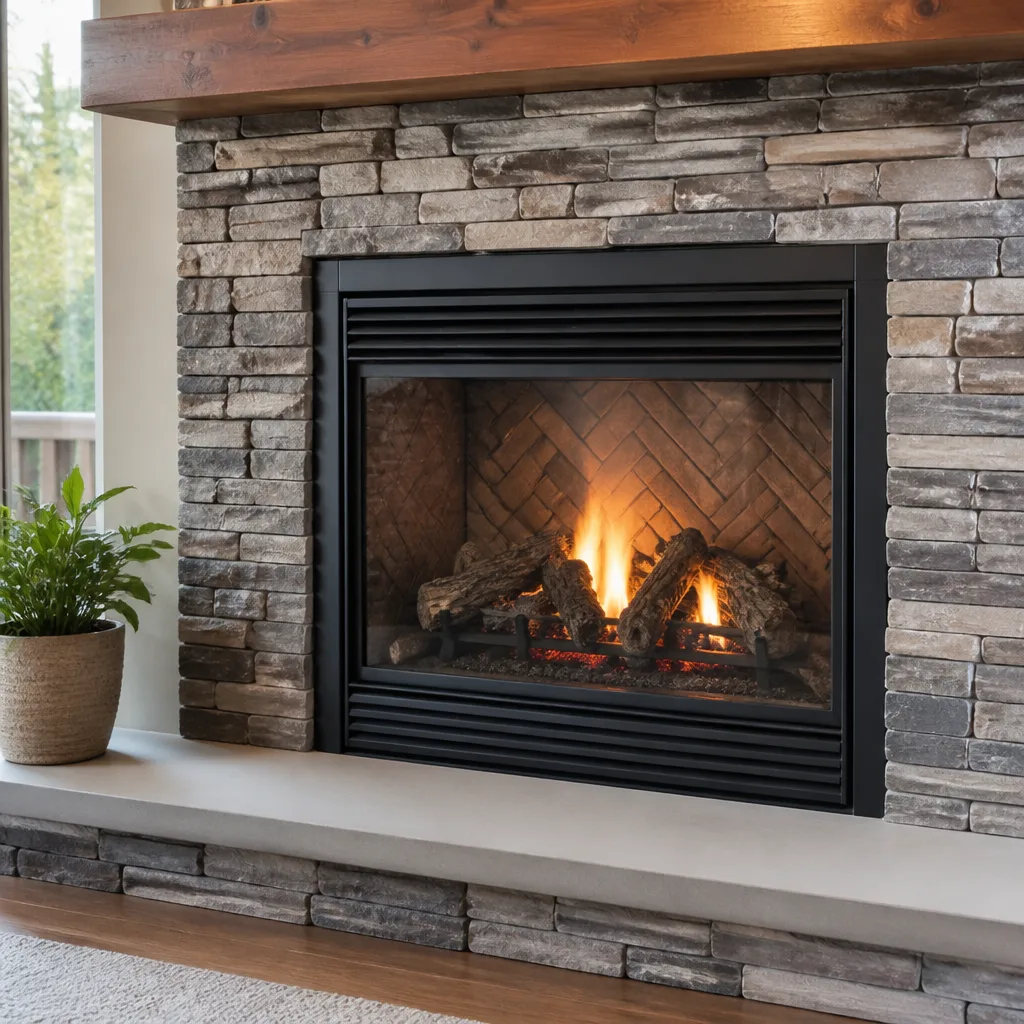 Gas fireplace service
Level 1 sweep and inspection to the NFPA 211 annual standard - flue, crown, cap, and flashing checked and photographed
Chimney sweep logs do not sweep chimneys. They loosen some creosote - which then falls where a brush and vacuum still have to collect it.
Chimney Sweep Maintenance Checklist for Rhawnhurst Homeowners
Most chimney maintenance checklists online are five bullet points copied from a home improvement blog. This one is built backward from what a trained sweep actually checks during a professional inspection, so you know what to look for before you even pick up the phone. Here’s the counterintuitive part: the problems that cost the most to fix are usually invisible from inside your living room, and they give you months of warning if you know where to look. This guide walks through the safe checks you can do yourself, the signs that mean call now, and the seasonal rhythm that keeps a Rhawnhurst chimney out of trouble.
Quick Answer
A chimney maintenance checklist in Rhawnhurst should cover four things: a visual check from the firebox for cracked mortar and damper function, a from-the-ground look at the cap and crown, a draft test when you first light a fire each season, and a professional sweep on a schedule set by your fuel type rather than a blanket “once a year.” Wood-burning fireplaces generally need a sweep every cord of wood burned, gas inserts and oil-fired appliances need annual inspection, and any chimney that shows smoke rolling back into the room needs a closer look before it’s used again.
Styles & brands we work with
- Sweep & inspection
- Caps & crowns
- Flue relining
- Masonry repair
- Gas fireplace service
Table of Contents
- What You Can Safely Check From the Firebox
- Reading Your Cap and Crown From the Ground
- Why a Smoking Fireplace Is a Maintenance Signal
- How Often to Sweep: Wood, Gas, and Oil Differ
- A Seasonal Calendar Built for Rhawnhurst Weather
- Where Homeowner Checks End and Professional Work Begins
- Keeping Maintenance Records That Pay You Back
What You Can Safely Check From the Firebox
Everything in this section can be done standing in front of your fireplace with a flashlight and no ladder. That’s deliberate. Roof work is where homeowners get hurt, and the firebox already shows you the earliest signs of trouble in the chimney above it.
Start with the firebox walls themselves. The firebrick lining takes the direct heat of every fire, and the mortar joints between bricks are the first thing to go. You’re looking for three things:
- Spalling brick: the face of a firebrick flaking, pitting, or peeling away in thin layers. Spalling means the brick has absorbed moisture and is breaking down from the inside. Small flakes are a watch item. Brick faces coming off in chunks mean the firebox needs repair before your next fire.
- Mortar dropout: joints between firebricks that have crumbled or hollowed out to the depth of a fingernail or more. Run a screwdriver handle lightly across the joints. If mortar crumbles away, the firebox is losing its ability to contain heat.
- Rusted or warped metal: on a fireplace with a metal firebox or a gas insert, look for rust streaks, white chalky residue, or panels that look warped. Both point to moisture or overheating.
Next, the damper. Open and close it several times. It should move without grinding, and it should sit flat against its seat when closed. A damper that sticks partway open or doesn’t seal lets heated room air escape up the flue all winter and lets cold air fall into the room when the fireplace is off. A damper that’s stuck closed is a safety problem, not a minor annoyance.
Finally, look up the flue with your flashlight. You won’t see the whole run, but the first few feet tell you a lot. Glossy, crusty buildup is creosote, and it’s the fuel for chimney fires. Loose, flaky soot is normal between sweeps. If you see heavy buildup, stop using the fireplace and book a sweep. When the firebox checks turn up mortar or brick problems, that’s panel-and-joint work rather than a cleaning job, which is where chimney repair starts.
Reading Your Cap and Crown From the Ground
Most homeowners never look at the top of their own chimney. A pair of binoculars and a two-minute walk to the far side of the yard fixes that. Standing well back from the house gives you the angle you need, and it’s the same view a technician gets on arrival.
Here’s what to look for at the top:
- The cap. A chimney cap is the metal hood over the flue opening. It should sit level and solid, with no rust-through on the mesh or body, no bent or missing panels, and no gaps where it meets the flue tile. A missing or damaged cap is an open door for rain, birds, and squirrels. Animal nests are one of the most common causes of blocked flues we find, and a cap failure is usually how they got in.
- The crown. The crown is the concrete slab on top of the chimney that sheds water away from the brick. Look for hairline cracks, chunks missing at the edges, or a crown that has pulled away from the flue tile. The crown takes the worst of every freeze-thaw cycle, and once it cracks, water gets into the brick below it. A crown in poor shape is one of the leading causes of the bigger structural repairs we see, which is why chimney cap & crown work is often the best money a homeowner spends.
- The flue tile. If you can see it from the ground, look for cracks, spalling, or a tile that’s tilted out of alignment. The flue tile is the liner, and a cracked tile lets heat reach the framing around the chimney.
- The brick face. White chalky staining on the outside of the chimney is efflorescence, a sign that moisture is moving through the masonry. Crumbling mortar joints between the exterior bricks are what masons call mortar dropout, and it’s the first stage of a rebuild if it isn’t caught.
Make this a habit once a season, ideally after the last hard freeze of spring and again before you start burning in the fall. Two minutes with binoculars in Rhawnhurst can catch a crown problem while it’s still a crown problem.
Why a Smoking Fireplace Is a Maintenance Signal
When smoke rolls out of the fireplace opening into the room instead of going up the flue, that’s called backdrafting, and it’s one of the most useful early warnings your chimney gives you. It’s not just a nuisance that ruins a fire. Smoke that can’t go up can also come from a blocked flue, and a blocked flue is a carbon monoxide problem as much as a smoke problem.
Draft problems show up in a few familiar ways:
- Smoke spilling into the room as you light a fire, then settling once the fire is going
- A fire that’s hard to start and burns lazy even with dry wood
- Smoke coming back down the chimney on windy days even with no fire burning
- A fireplace that worked fine last winter and now smokes every time
Some causes are weather. A cold chimney on a mild day struggles to establish draft until it warms up. A house that’s tightly sealed can starve the fire of air, and cracking a nearby window for the first few minutes often settles it. But other causes are maintenance signals that don’t go away on their own: a nest or debris blocking the flue, a flue that’s too short for the chimney, a cracked flue tile letting air in above the fire, or a damper that doesn’t open fully.
Here’s the rule we give homeowners: if a fireplace smoked once on a cold morning but has been fine since, note it and mention it at your next inspection. If it smokes every time you light it, or it started smoking when it never used to, stop using it and book an inspection. Smoke coming back into a living space is the one symptom that always gets a same-week look in our book.
How Often to Sweep: Wood, Gas, and Oil Differ
“Once a year” is the shorthand every chimney sweep industry group uses, and it’s a reasonable floor. But it’s not the right answer for every Rhawnhurst home, because the fuel you burn decides how fast the inside of your flue changes. Here’s how we think about frequency by fuel type.
Wood-burning fireplaces and inserts
Wood is the only fuel that deposits creosote, the tar-like substance that builds up in layers on the flue and ignites in a chimney fire. The working rule in the trade is a sweep every cord of wood burned. For a typical Rhawnhurst home doing occasional fires through the winter, that’s roughly one sweep a year. A household that burns every cold night from November through March can get to that cord count faster than a year, and a household that runs a wood stove as primary heat could need more than one sweep a season. Burning dry, seasoned wood slows creosote buildup noticeably; burning green or wet wood speeds it up. If you don’t know your own cord count, look at your flue each fall and let the buildup tell you.
Gas fireplaces and inserts
A gas insert doesn’t deposit creosote, so the sweep frequency question changes. Gas appliances still need an annual inspection because the things that go wrong with gas are not things you can see. Venting problems, debris or nests in the flue, a rusted-out vent, and carbon monoxide risk all need a trained eye. The flame should be mostly blue. A mostly yellow, lazy, sooty flame is a service call, and a fireplace that smells of gas at any point is a call to your gas utility before anything else.
Oil-fired appliances and wood stoves
An oil-fired furnace or water heater connected to a chimney produces soot rather than creosote, and that soot matters because it’s acidic and eats flue liners from the inside. An annual inspection and cleaning is the standard for oil. Wood stoves need the same cord-based attention as a fireplace, plus extra attention to the stovepipe and any chimney connector joints, which are common places for leaks to develop.
One more frequency rule that cuts across every fuel type: after any chimney fire, any flood, any earthquake or foundation work, or any long vacancy, the chimney gets inspected regardless of when it was last swept. A professional chimney sweep should inspect, sweep, and leave you with a photo record of what was found, and that record is what tells you when the next visit is due.
A Seasonal Calendar Built for Rhawnhurst Weather
Rhawnhurst’s climate gives a chimney four distinct seasons of work. The freeze-thaw pattern of a Philadelphia-area winter drives most of the damage we see, because water gets into cracks, freezes, expands, and widens the crack. The best chimney checklist is organized around that cycle, not around a calendar reminder.
- Early fall, before the first fire (September to October): book the annual inspection and sweep. This is the pre-heating-season check. It’s also when you do your firebox and damper checks, test the draft with a small fire, and confirm the cap is still in place. Doing this in early fall means any repair gets handled before the first cold night, not in a scramble after.
- Late fall and through the burn season: keep an eye on buildup, listen for creosote ticking, and note any smoke spillage. Small problems get recorded and reported at the next visit. This is not the time for roof work.
- Early spring, after the last hard freeze (March to April): do the post-winter moisture check. Go outside and look at the crown, the exterior brick, and the mortar joints. This is the checkpoint that catches freeze damage before summer, when it has months to get worse. It’s also the right time to look at the cap, since a winter of ice and snow can bend or dislodge it.
- Summer (June to August): the summer cap inspection and any structural repairs. Birds nest, squirrels get in, and a missing cap does its worst damage in the warm months. If your spring check found a cracked crown or a loosened cap, summer is the season to fix it, because the materials set well and the work is scheduled without the fall rush.
Alongside the four seasons, one steady habit: after every significant windstorm or heavy snow, walk out and take the binocular look. Rhawnhurst gets its share of high-wind weather, and a cap that survived a gust last week may be sitting cockeyed this week.
Where Homeowner Checks End and Professional Work Begins
We want you to check your own chimney. We also want you to know exactly where to stop, because chimney work has two genuine dangers: heights and anything involving the flue’s ability to vent combustion gases.
Here’s the line. Anything you can see from the firebox or from the ground with binoculars is fair game. Anything that requires getting on the roof, opening up the chimney structure, or putting a tool into the flue is professional work. That includes:
- Roof access. A chimney crown or cap repair means standing on a roof or leaning over a ladder above a chimney. We don’t recommend homeowners do it, and no checklist online should make it sound routine.
- Liner work. A cracked flue tile or a failing liner is not a visual-inspection job. A flue liner is what keeps heat, smoke, and carbon monoxide away from the wood framing of your house. Liner decisions should come from a camera inspection that lets you see the interior of the flue for yourself, not from a guess made on the ground.
- Firebox rebuilding. Rebuilding a firebox or repairing failed mortar in it is a masonry job. Done wrong, it voids the firebox’s ability to contain heat.
- Anything involving gas or oil. Gas leaks and oil-fired venting are professional territory, full stop. A gas smell is a call to your utility, not to a checklist.
- Any chimney fire, even a small one. A chimney fire can crack a flue tile or damage a liner without you noticing. After a fire, an inspection is mandatory, not optional.
What a professional visit adds that a home check can’t is the look inside the flue with a camera, a sweep that removes the creosote, and a photo report of what was found. In Rhawnhurst, we do the firebox and ground checks with homeowners and then go one level deeper with the camera. If you’re not sure whether something you spotted is a watch item or a repair, that’s a question for us, and it’s a quick one to answer.
Keeping Maintenance Records That Pay You Back
A chimney maintenance checklist isn’t complete without somewhere to write the answers. Ten minutes twice a year, on a sheet of paper or a note on your phone, is enough. It matters for three reasons.
First, it turns vague memory into a timeline. “It smoked a little last winter” is not information a technician can work with. “It smoked on three cold mornings in January, hasn’t since” tells us where to look, and that’s how you avoid a full liner replacement when a smaller repair will do. Second, records catch the slow problems. A crown crack you logged in March and re-checked in June tells you whether it’s growing. A mortar joint that looked fine last fall and looks hollow this fall tells you the freeze-thaw cycle is winning, and that’s a repair that should happen before it’s a rebuild. Third, records help when you sell the house. A stack of sweep and inspection reports from a professional chimney company tells a buyer the chimney was cared for, and that’s worth something.
We like to see homeowners keep four things on file: the last inspection report and its photos, the date of the last sweep for each appliance, any repair receipts, and a running list of symptoms you noticed (smoke, smell, buildup, animal noise). Bring that file to your next inspection. It’s the difference between a chimney being looked at and a chimney being understood.
Common Mistakes to Avoid
- Assuming a gas fireplace needs no maintenance. A gas insert doesn’t creosote up, so homeowners skip it entirely. The annual inspection on a gas appliance is about venting and carbon monoxide, and that’s exactly the part you can’t see.
- Judging frequency by calendar alone. “Once a year” is a floor, not a schedule. A household burning several cords a season needs more than an annual sweep, and a household with a gas insert doesn’t need a wood-style sweep at all. Let fuel type and burn volume set the rhythm.
- Never looking up. A Rhawnhurst homeowner can lose a crown or a cap over a winter without noticing, because nobody looks at the top of the chimney. Two minutes with binoculars twice a year is the cheapest maintenance you’ll ever do.
- Treating smoke backdrafting as just an annoyance. A fireplace that smokes into the room is telling you something. It might be a cold flue on a mild day, or it might be a blocked or damaged flue. A fireplace that suddenly starts smoking always deserves a call.
- Getting on the roof to save a service call. Chimney work is one of the trades where the risk of a do-it-yourself repair outweighs the cost of the professional visit. The cap and crown work that matters most is work done at height, and that’s work for a trained chimney specialist.
- Cleaning up after a chimney fire and going back to burning. A chimney fire can damage a flue without visible outward signs. After any fire, inspect before you burn again, because the next fire in a damaged flue is what turns a repair into a rebuild.
- Skipping the summer inspection. Spring catches freeze damage, but summer is when birds, squirrels, and debris get into an uncapped flue. The season with no fires burning is the season with the most silent chimney damage.
See the difference
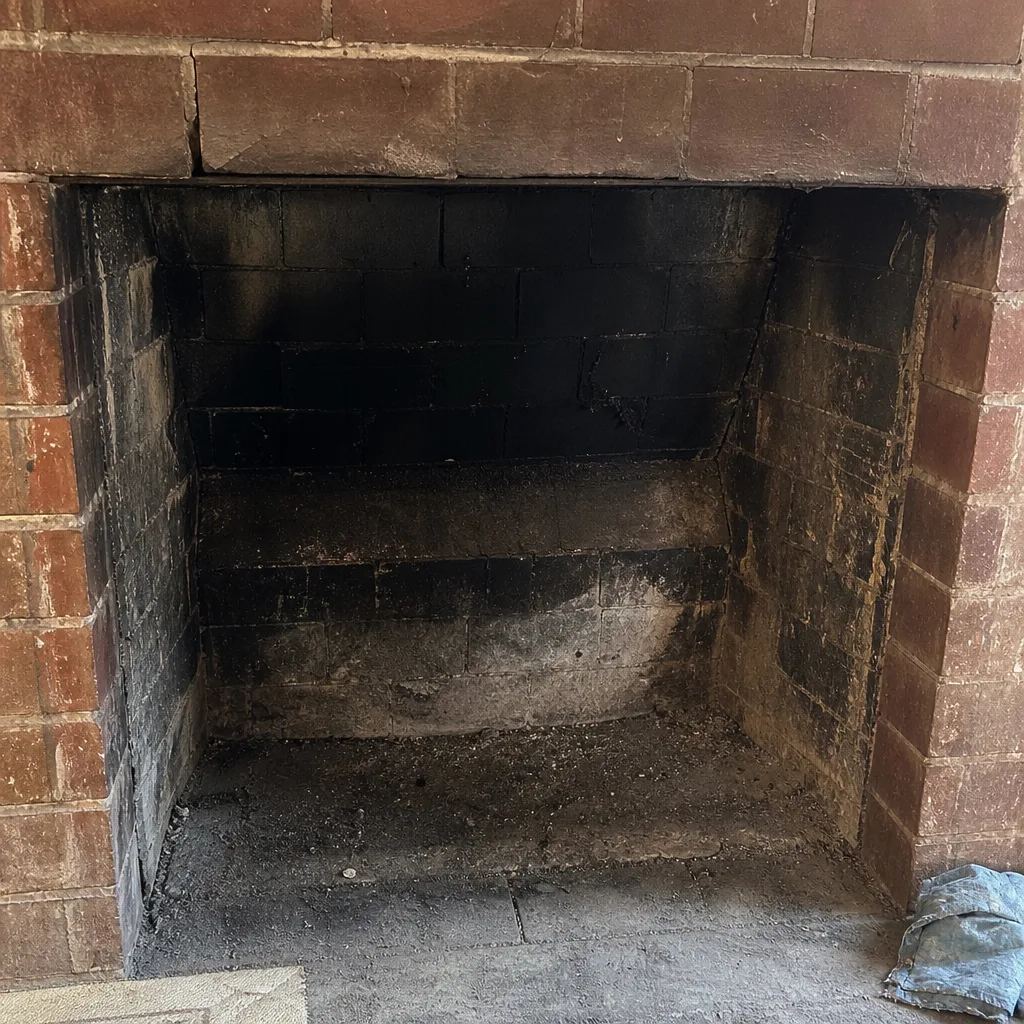 Before
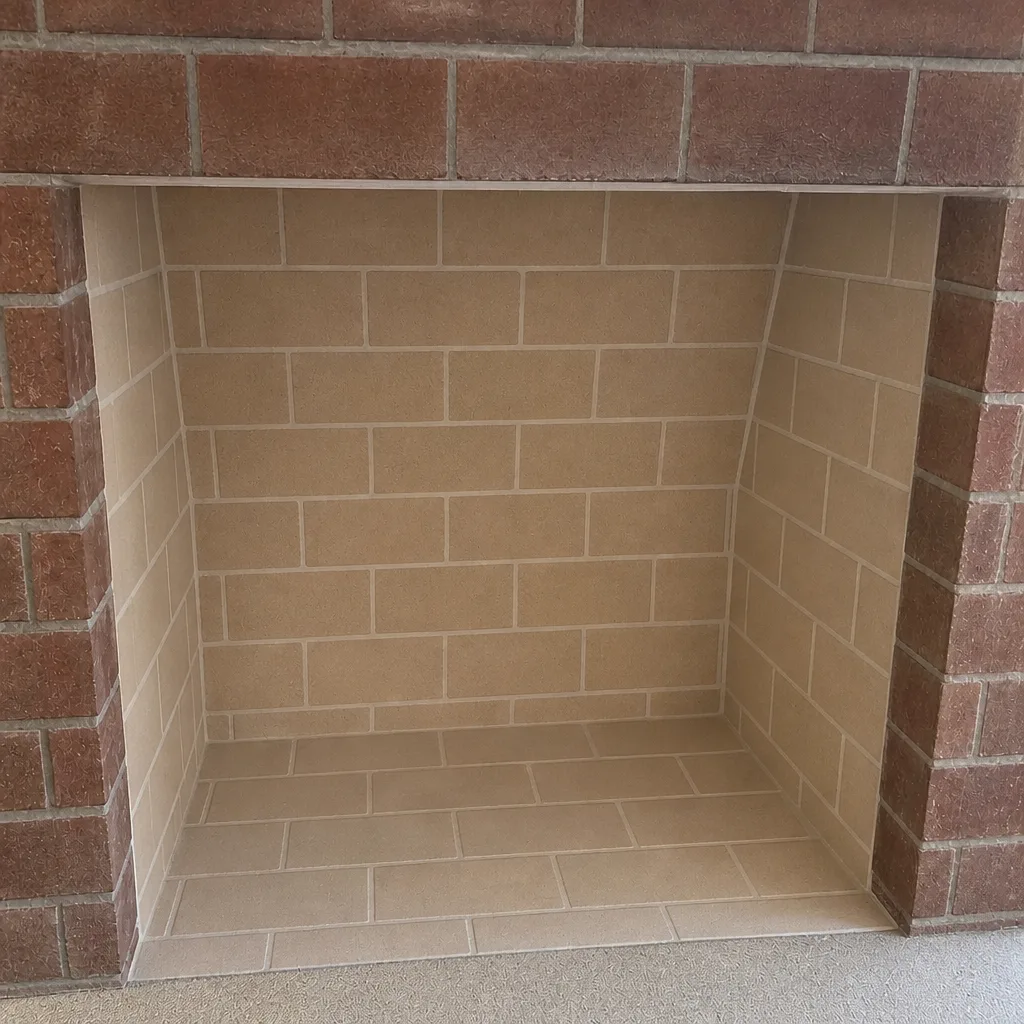 After
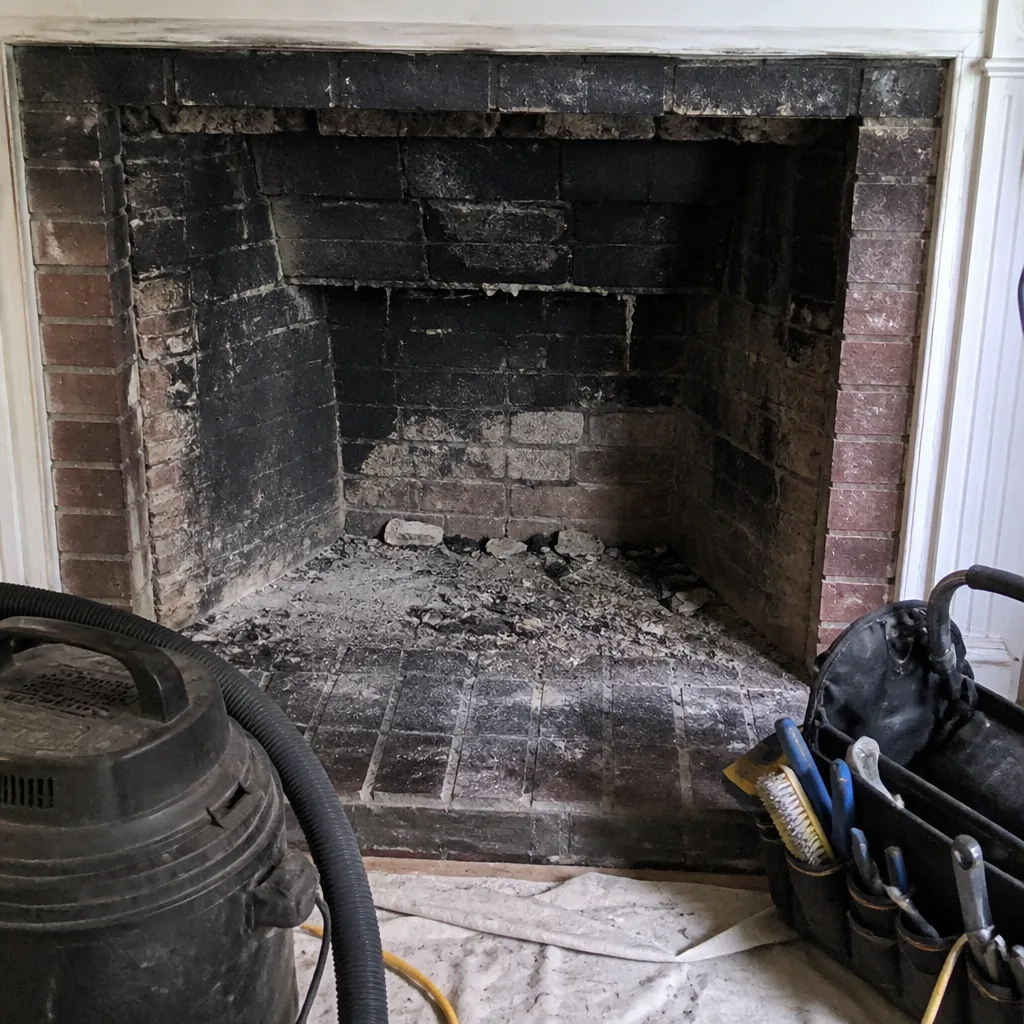 Before
 After
 Before
 After
When to Call a Professional
Call a chimney professional when you find any of these: heavy creosote visible in the flue, cracked or spalled firebrick, a damper that’s stuck or won’t seal, smoke that comes back into the room every time you light a fire, a cap that’s missing, bent, or rusted through, a crown that’s cracked or pulling away from the flue tile, animal noise from the chimney, any chimney fire, or a gas fireplace that’s burning yellow or smells of gas. Call before the burn season if you’ve never had the chimney inspected at all, and call immediately if a gas smell is present (and also call your gas utility). Our team at Chimney Sweep Rhawnhurst offers free estimates in Rhawnhurst, and our technicians have up to 15 years of experience. From annual sweep to full liner rebuild, one call covers it all. Call (866) 861-1187. We answer 24/7. Fast dispatch from 7am to 7pm, Sunday through Friday.
Frequently Asked Questions
A wood-burning fireplace should be swept roughly every cord of wood burned, which for most Rhawnhurst homes works out to about once a year. Gas inserts and oil-fired appliances need an annual inspection rather than a wood-style sweep, and any chimney should be inspected after a chimney fire, a flood, or a long vacancy. Call (866) 861-1187 for an exact quote – estimates are free.
A damaged or missing chimney cap is the problem we see most often that homeowners never noticed, because it’s only visible from the ground or the roof. A missing cap lets in rain and animals, and the nesting that follows is a common cause of blocked flues. A cracked crown is the close second, and both are easy to spot with binoculars. Call (866) 861-1187 to have either looked at – estimates are free.
It’s safe to look from the firebox and safe to look up at the chimney from the ground with binoculars. It is not safe to go on the roof, open the flue, or rebuild a firebox yourself. Chimney maintenance from the ground is a good habit; anything at height or inside the flue belongs to a trained professional. Call (866) 861-1187 with what you spotted – estimates are free.
Yes. Professional sweeps clean from the firebox side using drop cloths and sealed access, and modern sweep equipment works from below. The roof gets looked at for the cap, crown, and exterior brick, but the cleaning itself happens from the fireplace. That’s one reason a professional sweep is safer than a homeowner attempt. Call (866) 861-1187 to book an inspection – estimates are free.
Not always, and nobody can tell you until the flue has been inspected with a camera. A liner or flue tile can often be repaired rather than replaced; HeatShield ceramic resurfacing, for example, can rebuild the interior of a chimney without full demolition. We diagnose before we quote. If the liner is sound, we tell you and you wait. Call (866) 861-1187 for an inspection you can watch on camera – estimates are free.
Skipping one year is usually survivable; skipping several is when small problems turn into structural repairs. The costliest chimney problems we fix, crown failure and liner damage, both start small and both get worse through a freeze-thaw winter. The eight minutes of home checking in this guide plus one annual inspection is what keeps a $200 sweep from becoming a liner rebuild. Call (866) 861-1187 and we’ll tell you which side you’re on – estimates are free.
The Bottom Line
A chimney maintenance checklist is a morning of your time twice a year plus a professional visit once a season. The checks you can do yourself, from the firebox and from the ground with binoculars, catch the early-stage problems that cost the most if they’re left alone. The checks you shouldn’t do yourself, anything at height or inside the flue, belong to a specialist. Let your fuel type set your sweep schedule, tie your checks to the freeze-thaw rhythm of a Rhawnhurst winter, and keep a record of what you find. That’s the whole system, and it’s the same one Chimney Sweep Rhawnhurst uses.
Chimney work is all we do, so we do it right. From annual sweep to full liner rebuild, one call covers it all, and we install professional-grade materials from trusted brands like HeatShield, DuraFlex, and Olympia Chimney. We diagnose before we quote, so you’ll know what’s actually wrong and what can safely wait. Call (866) 861-1187 for a free estimate. We answer 24/7. Fast dispatch from 7am to 7pm, Sunday through Friday.
Written by the team at Chimney Sweep Rhawnhurst.