
Last updated November 22, 2026
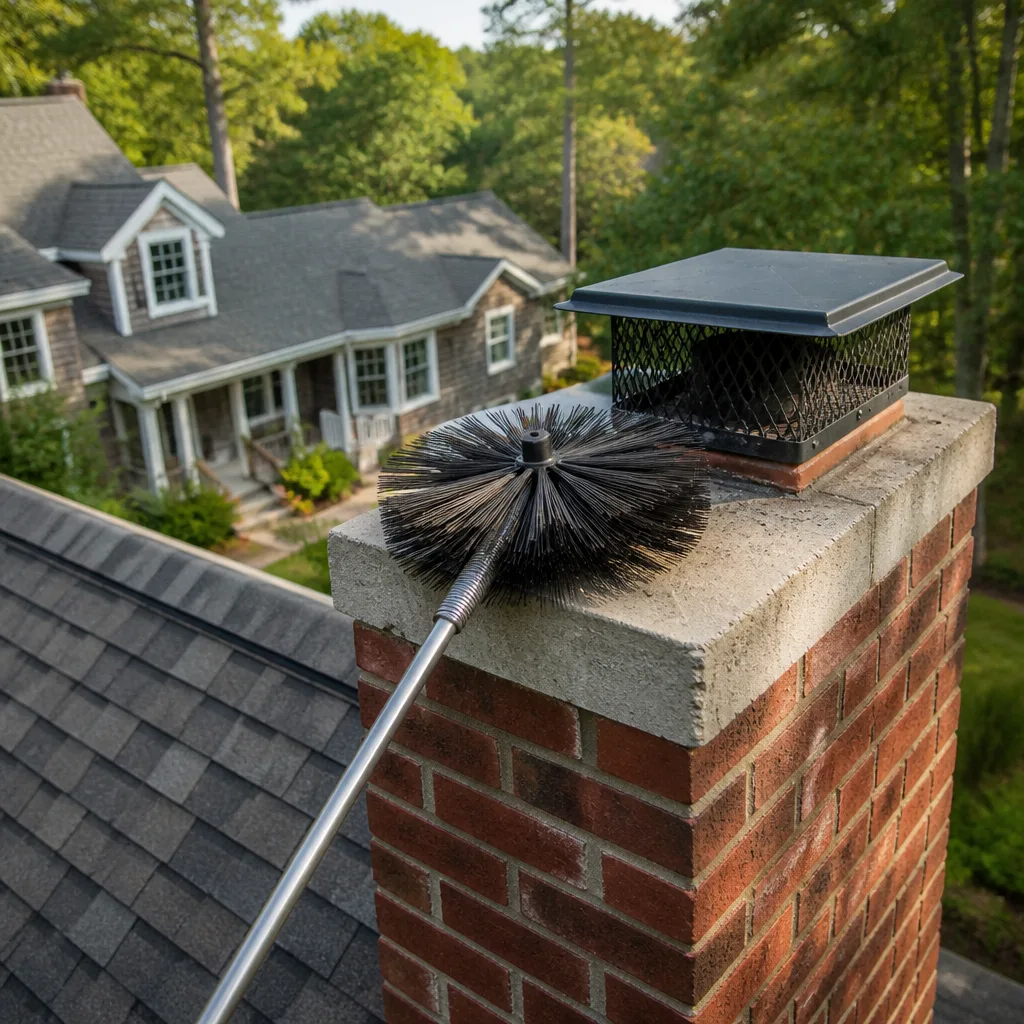 Sweep & inspection
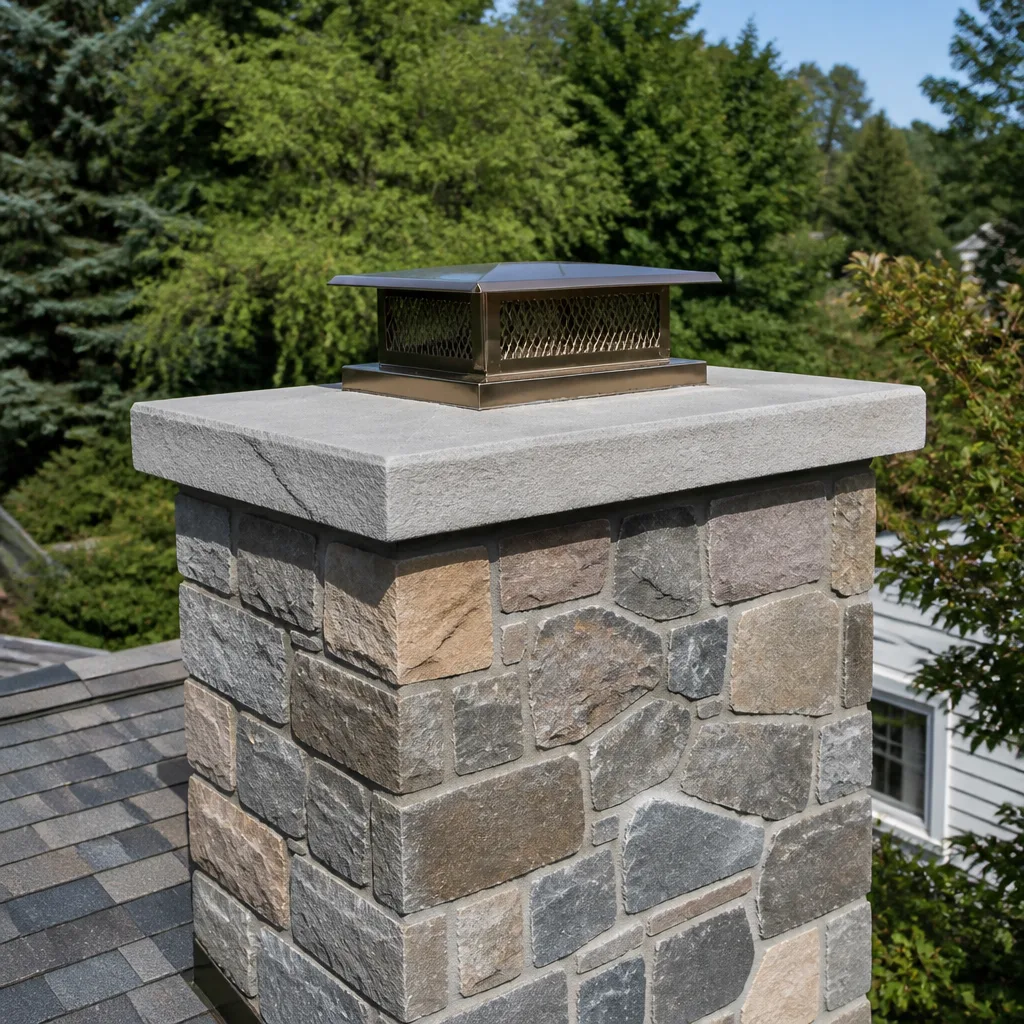 Caps & crowns
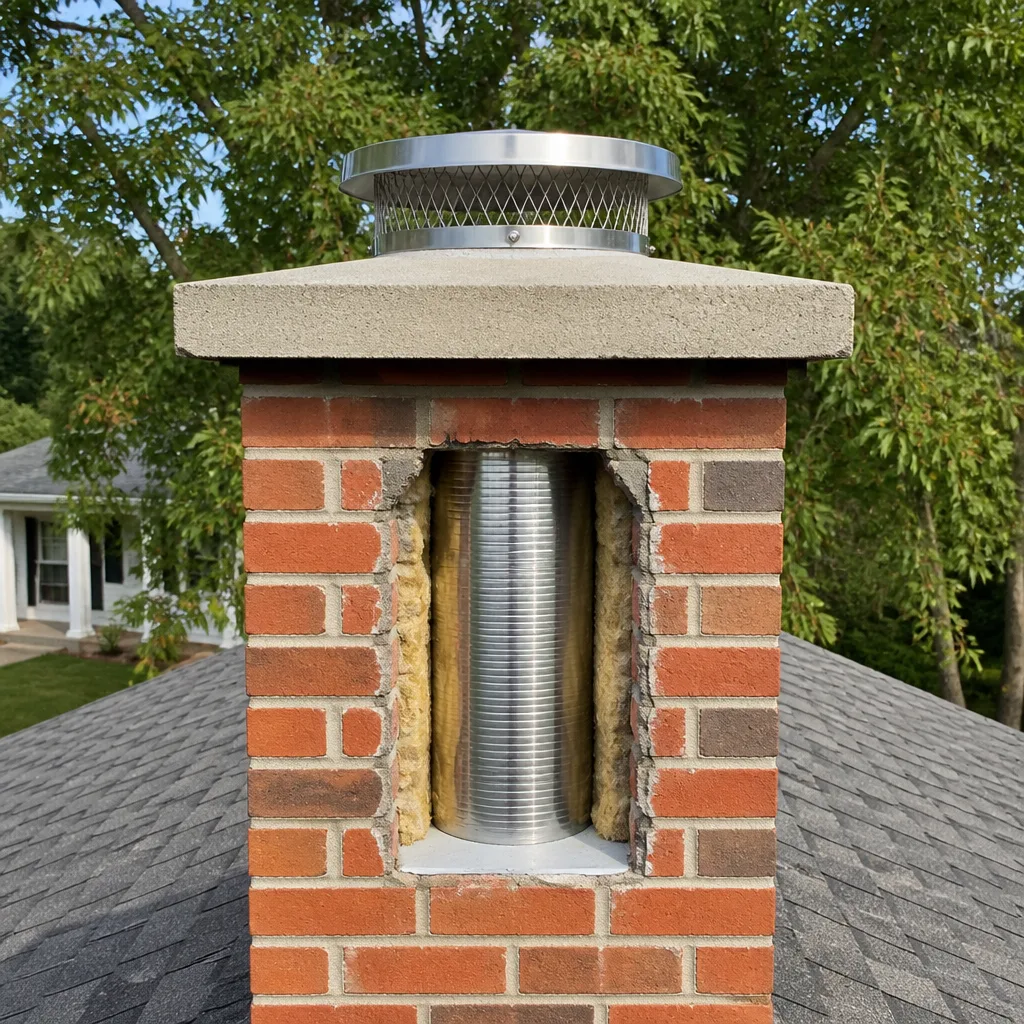 Flue relining
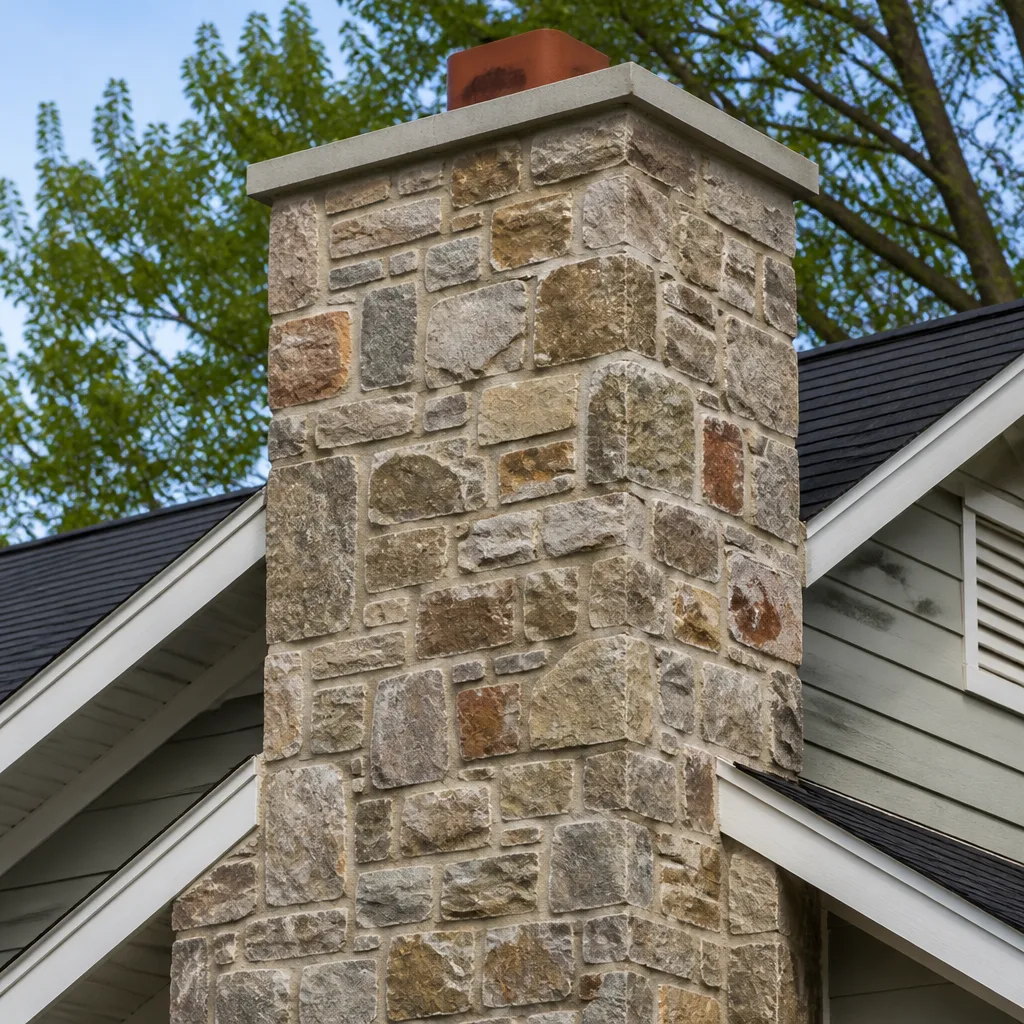 Masonry repair
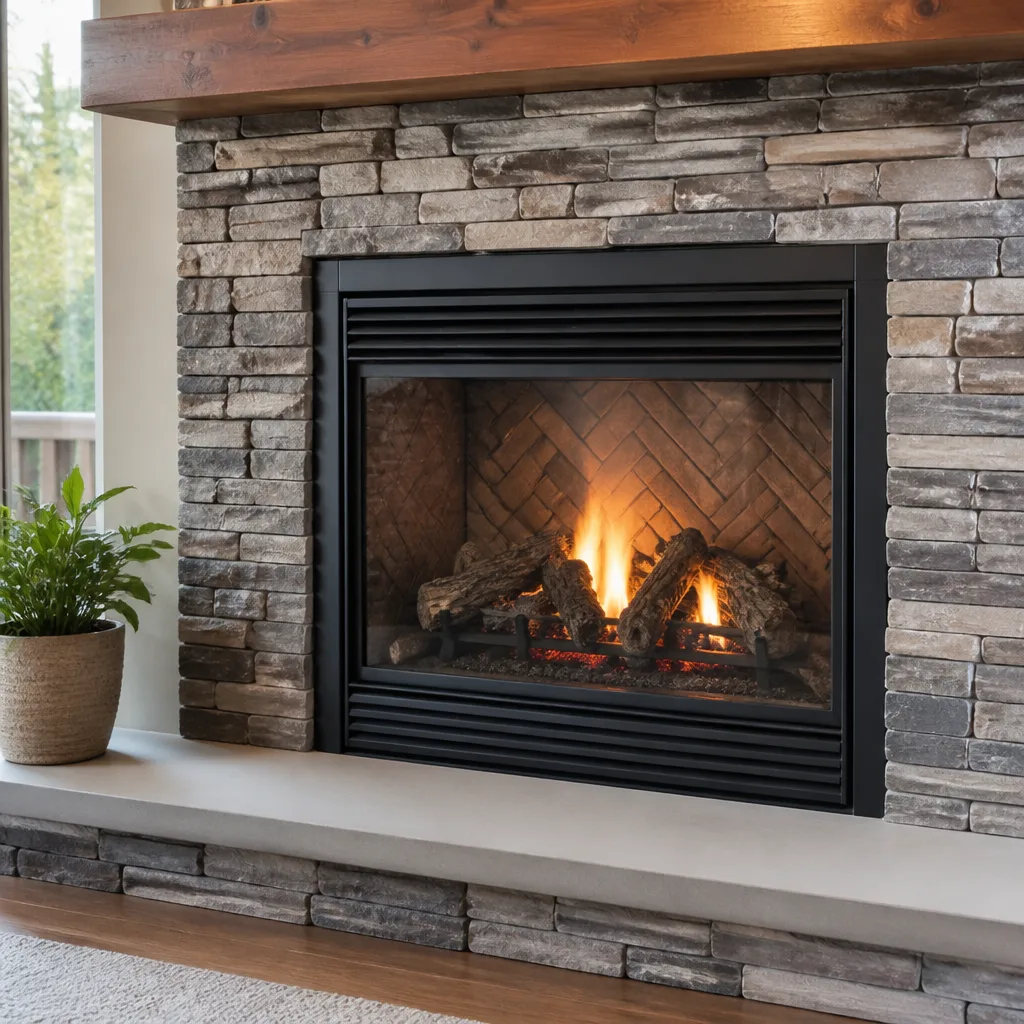 Gas fireplace service
Level 1 sweep and inspection to the NFPA 211 annual standard - flue, crown, cap, and flashing checked and photographed
Chimney sweep logs do not sweep chimneys. They loosen some creosote - which then falls where a brush and vacuum still have to collect it.
Seasonal Chimney Cleaning Care for Rhawnhurst: Year-Round Homeowner’s Guide
Most homeowners in Rhawnhurst think about the chimney twice: once when the first cold snap hits, and once when something smells wrong. That’s the wrong rhythm. A chimney is a system that responds to the seasons, not to the calendar of your heating bills. What the flue needs in April is not what it needs in October. And in a neighborhood where so many homes carry pre-1960 masonry stacks, the gap between “wait until fall” and “deal with it now” tends to cost money. Late summer is genuinely the best time to book a sweep in Rhawnhurst, and it’s not because sweeps are slow in August. It’s because August leaves time to fix what the inspection finds. This guide walks through all four seasons so you know what to check, when to book, and when work can safely wait.
Quick Answer
Chimney care in Rhawnhurst works best as a four-season cycle, not a single annual sweep. Spring is for post-heating-season inspection and head off animal nesting and moisture intrusion; summer is the correct window for liner repairs, crown recoating, and waterproofing because mortar cures in warm dry weather; fall is for the pre-season sweep, ideally in September; and winter is for watching for glazed creosote, damper seal failure, and condensation in gas flues. Booking in late summer gives you room to fix problems before the first cold snap.
Styles & brands we work with
- Sweep & inspection
- Caps & crowns
- Flue relining
- Masonry repair
- Gas fireplace service
Table of Contents
- Why a Chimney Needs Four Seasons of Care, Not One Sweep
- Spring: The Inspection Window After Heating Season
- Summer: The Best Time for Liner Repairs and Crown Work
- Fall: The Pre-Season Sweep and Why Timing Matters
- Winter: Reading the Signs Mid-Season
- How Rhawnhurst’s Housing Stock Shapes the Calendar
- The Rhawnhurst Seasonal Chimney Checklist
- Common Mistakes to Avoid
- When to Call a Professional
- Frequently Asked Questions
- The Bottom Line
Why a Chimney Needs Four Seasons of Care, Not One Sweep
The single-sweep model comes from a different era of chimney use. When a chimney ran constantly through a long heating season, an annual cleaning was the right intervention. Modern homes in Rhawnhurst heat unevenly. Some rooms run on a gas insert while others sit cold. The result is that a chimney is now exposed to a more varied set of stresses: longer idle periods between fires, condensation from gas appliances, moisture intrusion during rain, and freeze-thaw cycling in the masonry itself.
Each season brings a specific kind of pressure to the stack:
- Spring is when the chimney is retired for the season and any damage from winter becomes visible.
- Summer is when structural work becomes feasible because mortar and coating systems cure consistently.
- Fall is the last window to clean and inspect before the first fires.
- Winter is when problems inside the flue become apparent and can be dangerous to ignore.
A chimney that is cleaned in fall but never inspected in spring will hide a lot. A chimney that is inspected but never repaired in summer will be swept again in fall with the same cracks in the crown. The whole calendar matters. We work with the same professional-grade brands specified by certified chimney professionals nationwide – DuraFlex and HeatShield among them – because the repair materials need to be installed in weather that lets them perform. A chimney cap & crown replaced in November is a different job from one replaced in June. Only one of them will last.
Spring: The Inspection Window After Heating Season
Spring is the season when you learn what the winter did. Once the last fire of the year is out, the chimney has gone through months of heat cycling, moisture exposure, and thermal stress. The later you wait to look, the longer any damage has had to progress quietly.
What comes out of winter
Two things usually surface first. The first is moisture intrusion. In a masonry chimney – and many of the homes throughout Rhawnhurst were built with brick stacks that predate modern waterproofing – water gets in through cracks in the crown, a failed flashing at the roofline, or a porous brick face. The second is spalling, where water freezes inside a brick, expands, and shatters the outward-facing surface. Spalling isn’t cosmetic. It’s evidence the chimney is absorbing moisture through freeze-thaw cycles, and it will only get worse through the next winter.
Animal nesting and the chimney swift problem
Spring is also when birds move in. Chimney swifts are the common case here, and they’re federally protected under migratory bird law. You cannot legally remove them while they’re nesting. That means the practical answer is to have the flue inspected and any nest removed after the seasonal tenancy ends, and to have a cap installed so the next cycle doesn’t repeat. A properly fitted chimney cap & crown is the single most effective prevention available, and it’s a job best scheduled in spring so the work is done before the next nesting window opens.
Spring inspection checklist
- Look at the crown from the ground with binoculars: hairline cracks, missing chunks, or dark stains on the brick face.
- Check the damper for smooth operation and a tight seal. Sticking or slack dampers are common after a wet winter.
- Note any new smell in the firebox – an earthy or musty smell often means moisture has entered the flue.
- Inspect the cap and spark screen for missing parts or bent components from snow load.
If anything looks off, that’s the point to book an inspection rather than wait. A professional inspection documents what’s actually there, and you see the evidence yourself before any work is recommended.
Summer: The Best Time for Liner Repairs and Crown Work
Summer is the season almost nobody books a chimney appointment. That’s exactly why it’s the best time to do the work. The main reason is weather, not scheduling. Mortar and coating systems need warm, dry conditions to cure properly. A crown recoat, a HeatShield resurfacing, a full DuraFlex liner installation – all of these perform better when the ambient temperature and humidity cooperate. Installing these systems in cold or damp weather risks compromising the bond or the cure.
Why the summer booking window is real
In our experience, the volume of chimney work in Rhawnhurst drops sharply from late May through August. When you book in summer, the work isn’t being squeezed between other jobs, the technician isn’t racing an afternoon rainstorm, and the mortar or coating can sit undisturbed for the full cure period. That translates directly into how the repair holds up over the next ten years.
What can be done in summer
- Liner installation – DuraFlex and similar flexible stainless liners can be fitted and connected while the flue is dry and accessible.
- HeatShield ceramic resurfacing – an alternative to full relining when the existing flue is structurally sound but worn. This is often the right path when a full tear-out isn’t necessary, and it’s a repair we can only recommend with evidence from a camera inspection.
- Crown recoating – new mortar over the crown after the crack repairs are done. The warm, dry weather is the ideal cure environment.
- Waterproofing – a breathable masonry sealant applied in summer, so it’s fully cured before the first rain of fall.
- Full rebuilds – when the stack has lost too much structure, summer gives the work the time it needs without the pressure of fall bookings.
Nothing here is recommended without camera evidence. You see the inspection video, you understand what’s actually wrong, and you decide what to do. If a problem can safely wait, we’ll say so. That’s how we work. If you want to walk through what the inspection found, our team is reachable at (866) 861-1187. We answer 24/7, and dispatch runs from 7am to 7pm.
Fall: The Pre-Season Sweep and Why Timing Matters
The pre-season sweep is a real need – we’re not going to tell you to skip it. But the calendar crowd is smaller if you book in September instead of late October. By the time Halloween arrives, the chimney calendar in Rhawnhurst is compressed: everyone who waited until the first cold snap is now trying to schedule the same appointment, and that’s when rushed work happens.
What the fall sweep actually does
A sweep removes the creosote and soot that accumulated through the last heating season. It also gives you a clean baseline for the new season. If you won’t have your first fire until November, a September sweep leaves weeks for any small repair or cap replacement to be scheduled without rushing.
The chimney sweep visit is also the natural point to schedule a camera inspection if one hasn’t been done in a while. The flue view tells you what’s happening inside the system – not just what’s on the surface. Fall is the wrong time to discover a hidden crack in the liner, because the repair window is short.
Fall sweep checklist
- Book in September, not November, if you want to avoid the scheduling crunch.
- Confirm the sweep includes a camera inspection of the flue, not just a brush-out.
- Ask for a written report with photos – you need the evidence yourself, not a summary.
- Do a test burn before the first hard cold snap, so any draft or smoke issue can be addressed while you still have options.
One more detail: check the woodpile. Wood that hasn’t dried properly burns cooler and deposits more creosote. If the wood is stored against the house or under a tarp in a way that holds moisture, restack it so air flows through. This one habit makes a difference in how much buildup the sweep finds next spring.
Winter: Reading the Signs Mid-Season
Winter is when the chimney is in constant use and the clearest symptoms appear. A few specific signals deserve attention, and all of them point to something that should be inspected rather than ignored until spring.
Glazed creosote
Creosote forms on the flue wall as smoke cools. When the flue is cold, or when the fire is smoldering rather than burning hot, that creosote can move from a soft, brushable stage to a hard, glazed layer that ordinary brushes won’t remove. A cold flue in the middle of winter is a common setting for this, especially when a fire is started quickly and burned slow to conserve wood. Glazed creosote is a serious fire hazard. If you’re seeing shiny black deposits in the flue or smelling a sharp, tarry odor, that’s a call to schedule an inspection. A trained chimney professional can remove glazed creosote safely; a homeowner doing it with a brush and a ladder should not.
Condensation in gas flues
Gas appliances produce water vapor as a combustion byproduct. In winter, the temperature differential between the flue interior and the outside air can push that vapor into condensation on the flue walls. Left long enough, this promotes corrosion of the metal liner in a gas chimney. If you notice water trails around the chimney cap, rust stains on the metal, or a sour smell in the firebox, that’s a signal to inspect.
Damper seal failure
The damper is the door at the base of the flue. Its seal keeps warm air from escaping up the chimney when you’re not burning. A damper that’s lost its seal shows up as heat loss in the room and a persistent cold draft from the firebox. A stuck or misaligned damper can be repaired; a failed seal on an older one may need replacing. Both are worth addressing before next winter’s heating bill catches up.
What’s safe to wait and what isn’t
A drafty damper can safely wait until spring. A rusted-through liner in a gas chimney should not. Glazed creosote in a working wood flue should be scheduled soon. If you’re unsure which category you’re in, that’s exactly what an inspection resolves.
How Rhawnhurst’s Housing Stock Shapes the Calendar
Rhawnhurst is a neighborhood of closely packed brick rowhouses and twins, many built in the decades before 1960. That housing pattern matters for chimney maintenance in ways that don’t show up on a generic national guide.
Masonry chimneys and the freeze-thaw pattern
Pre-1960 brick chimneys were built with materials that haven’t aged uniformly. The mortar joints are softer than the brick, so as freeze-thaw cycles work through the winter, the joints weather first. Repointing those joints – grinding out the failed mortar and replacing it with new – is a job best done in warm, dry weather so the new mortar bonds and cures properly. Once the joints are open, water can track behind the brick and reach the interior. That’s why spring inspection catches the damage and summer is the right time to fix it.
Urban heat and the long warm season
In a dense neighborhood like Rhawnhurst, the summer heat and the proximity of the rowhouses means chimneys on the south or west side may run hotter than expected. That said, the critical point is not the outside temperature – it’s the cure window for masonry. Warm, dry weather from June through August gives mortar the best chance of a strong bond. Rushing a crown recoat in October, when the evening temperatures are dropping and rain is common, is how repairs fail early.
Tight spacing and access
When houses sit close together, chimney access can be constrained. Some rooflines in Rhawnhurst leave less room for a technician than a detached-home chimney would. That’s a scheduling reality to know: some jobs require more time and planning than a quick up-and-down. Booking outside the busy fall window gives the technician the room to do the job right, without cutting the corners that a tight schedule would force.
The Rhawnhurst Seasonal Chimney Checklist
Here’s the full cycle in one place. You can save this and check back each season, or use it to plan a call.
Spring
- Book the post-heating-season inspection.
- Look at the crown, flashing, and brick face for cracks or spalling.
- Check for animal nesting, especially chimney swifts, which can’t be removed while protected by federal law.
- Test the damper for smooth operation.
Summer
- Schedule structural work: liner installation, HeatShield resurfacing, crown recoating, or full rebuild.
- Apply waterproofing while the weather is warm and dry.
- Have the flue camera-inspected if it hasn’t been in a while.
- Get the repair work done while the calendar is open and cure conditions are good.
Fall
- Book the pre-season sweep in September rather than October or November.
- Confirm that the sweep includes a camera inspection.
- Request the written photo report.
- Stack dry wood and do a test burn before the first cold snap.
Winter
- Watch for glazed creosote, sharp odors, or unusually slow draft.
- Check for rust or moisture on gas flue caps.
- Note drafty fireboxes as damper seal symptoms.
- Schedule any problem for the earliest inspection window – don’t wait for spring if the issue is a hazard.
Chimney work is all we do, so a single call covers the sweep, the repair, and the rebuild if that’s what the inspection shows. We offer a free estimate, and the price is set per job by the written estimate. That means you know the number before any work starts.
Common Mistakes to Avoid
- Waiting until November to book the sweep. Every year, the fall window compresses into a few weeks. Booking in September gives the technician room for a proper inspection, and gives you time if repair work turns up.
- Skipping spring inspection because “the chimney still works.” A chimney can work fine while its crown is cracked and its mortar is spalling. Spring inspection is what catches the damage before the next winter accelerates it.
- Scheduling masonry work in cold weather. Mortar and coating systems need warm, dry conditions to cure. A crown recoat in October is at risk of failing within the year. Summer is the right season for structural work in Rhawnhurst.
- Ignoring winter symptoms because they seem minor. Glazed creosote, condensation in a gas flue, and damper seal failure all present with small signals. Left alone through the winter, they become structural problems.
- Hiring a sweep who doesn’t offer the follow-up repair. A sweep-only service can clean the chimney but can’t install the liner. If the inspection finds a problem, you’re starting the whole search over. Choosing a full-scope chimney specialist keeps the diagnosis and the repair in the same set of hands.
- Installing a cap “when there’s time.” The chimney swift window is protected under federal law, so if the flue is already occupied, removal has to wait. Installing the cap before the next nesting season is what prevents the cycle from repeating.
- Trusting a verbal summary of what was found. A chimney repair recommendation should come with camera footage or photo evidence you can look at yourself. If you’re being told work is necessary without seeing the reason, ask for the pictures.
When to Call a Professional
Some seasonal tasks can wait for the calendar. Others should be a call. Call a professional if you see glazed, shiny creosote in the flue, if you smell a sharp chemical odor when the fire is lit, if the firebox has rust streaks or water marks, if a damper seal has failed and the room feels drafty, if the crown has visible cracks or missing chunks, or if the inspection from last year came back with a note you haven’t followed up on. A chimney is a system with fire and carbon monoxide on one side, and a trained professional should be the one to look at it. We don’t give step-by-step instructions for flue work for a reason: the flue is not a safe place for a homeowner to explore with a flashlight and a brush. The right move is to look for the signs and hand off to a trained technician. Chimney Sweep Rhawnhurst performs free estimates in Rhawnhurst – call (866) 861-1187. We answer 24/7. Fast dispatch from 7am to 7pm, Sunday through Friday.
Frequently Asked Questions
Once a year is the standard for a wood-burning fireplace that gets regular use, plus a camera inspection at the same visit. A home that burns frequently or burns unseasoned wood may need more. Gas flues generally don’t need sweeping but should be inspected annually for condensation and liner corrosion. The best rhythm is a mid-to-late summer sweep, so you’re clean before the season starts. Call (866) 861-1187 for an exact quote – estimates are free.
Because August leaves time to fix what the sweep finds. The sweep itself takes a few hours, but if the inspection turns up a cracked crown, a failing liner, or a missing cap, you’ll want the repair done before October, when cold weather reduces the mortar cure window and every sweep in Rhawnhurst is booked. Scheduling in late summer gives you both a clean chimney and a repair window. Call (866) 861-1187 and we’ll book the estimate.
The price is set per job by the written estimate, so there isn’t a single number that applies to every home. The visit typically includes a sweep, a camera inspection of the flue, and a photo report. Structural repair – crown, liner, or rebuild – is quoted separately after the inspection. We don’t quote a repair before we’ve seen the inside of your flue. Call (866) 861-1187 for an exact quote – estimates are free.
Not necessarily. A new liner is the right answer when the existing flue has cracks, gaps, or corrosion that make it unsafe for the appliance it serves. But there’s a middle path. HeatShield ceramic resurfacing can extend the life of a flue that’s structurally sound but worn, saving the tear-out cost of a full reline. The only way to know which applies to your chimney is a camera inspection that shows the flue wall in full. We recommend nothing without that evidence. Call (866) 861-1187 to book the inspection.
Creosote accumulates and, in a cold flue or with a smoldering fire, it transitions into a hard glazed layer that is a fire hazard. The chimney can also hide moisture damage, a failed crown, or a damper seal failure that gets worse through the winter. None of that is visible from the firebox. The reason to keep the schedule is that problems compound, and the spring inspection catches them before the next heating season. Call (866) 861-1187 to get on the schedule.
Not safely, and not thoroughly. A surface brush-out doesn’t reach the glazed creosote that causes fires, and it doesn’t detect cracks in the liner. The camera inspection is the real diagnostic, and it requires a trained technician and the right equipment. This is one seasonal task to hand off rather than take on. Our technicians have up to 15 years of experience in chimney work and only chimney work. Call (866) 861-1187 for an exact quote – estimates are free.
The Bottom Line
Chimney care in Rhawnhurst is a four-season cycle, and the biggest mistake is treating it as one event in November. Spring is the inspection window, when the winter’s damage becomes visible. Summer is the repair window, when mortar and coating systems cure properly. Fall is the pre-season sweep window, and September is a much better month to book than October. Winter is when small symptoms escalate. If you remember one thing from this guide, make it that late summer is the smartest booking window in Rhawnhurst – not because sweeps are slow, but because August gives you room to fix what the inspection finds. Protect the home from the flue up. If you’re ready to schedule a sweep and inspection, call (866) 861-1187. The estimate is free.
For the full range of services, visit our main site at Chimney Sweep Rhawnhurst.
Written by the team at Chimney Sweep Rhawnhurst.
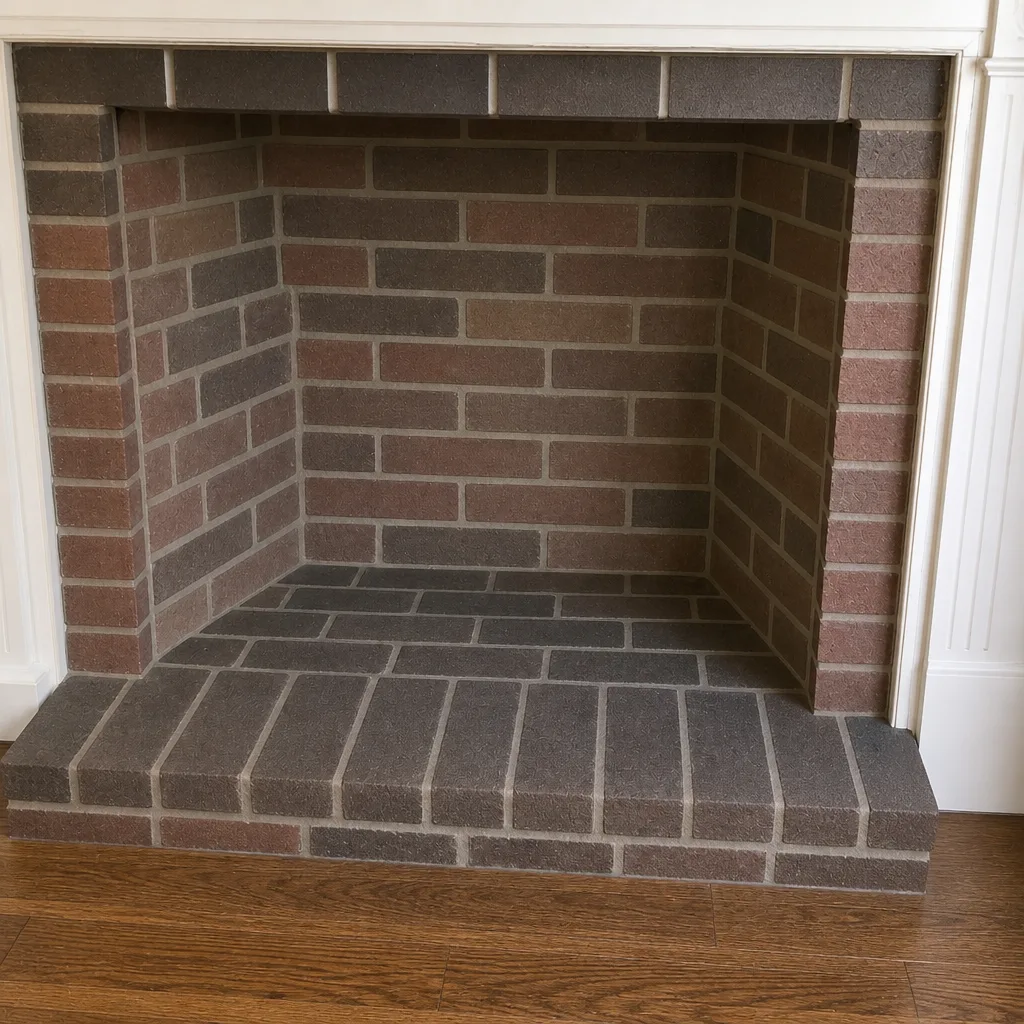
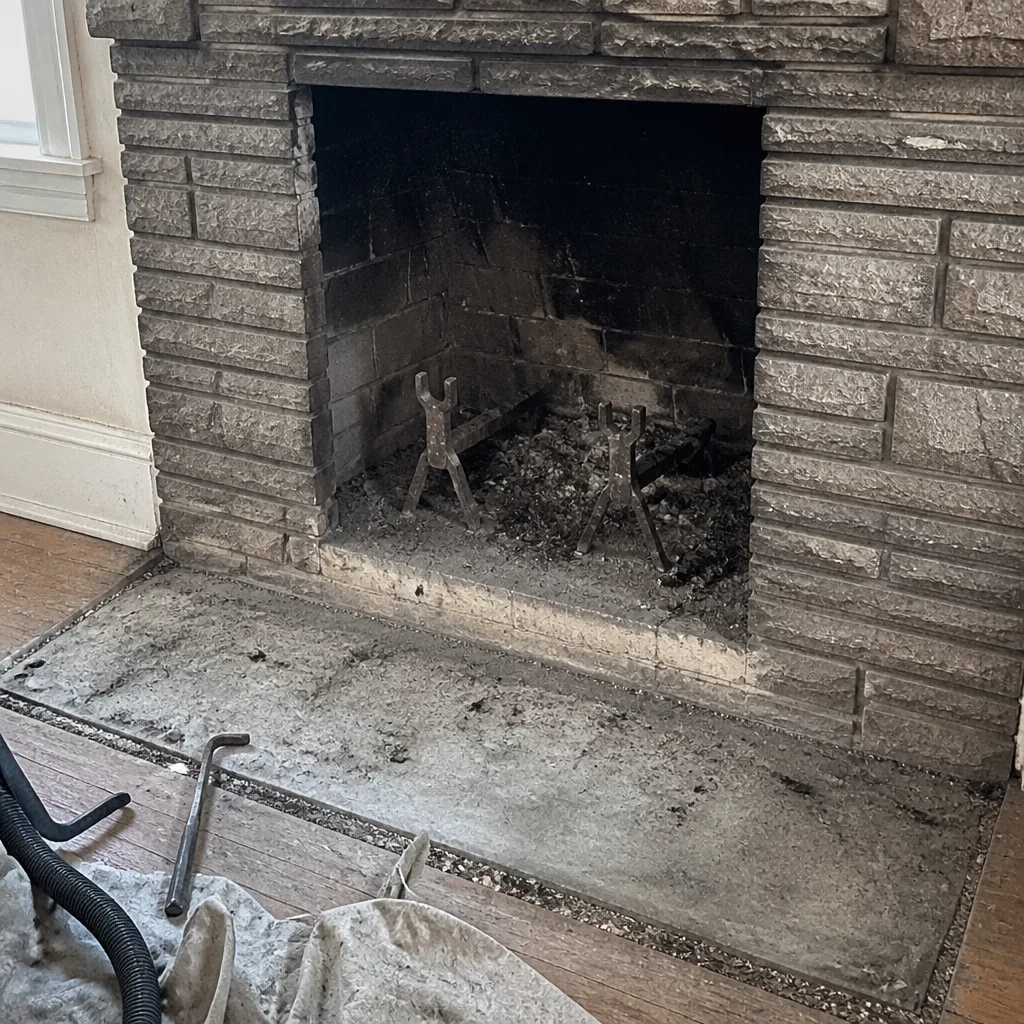
See the difference
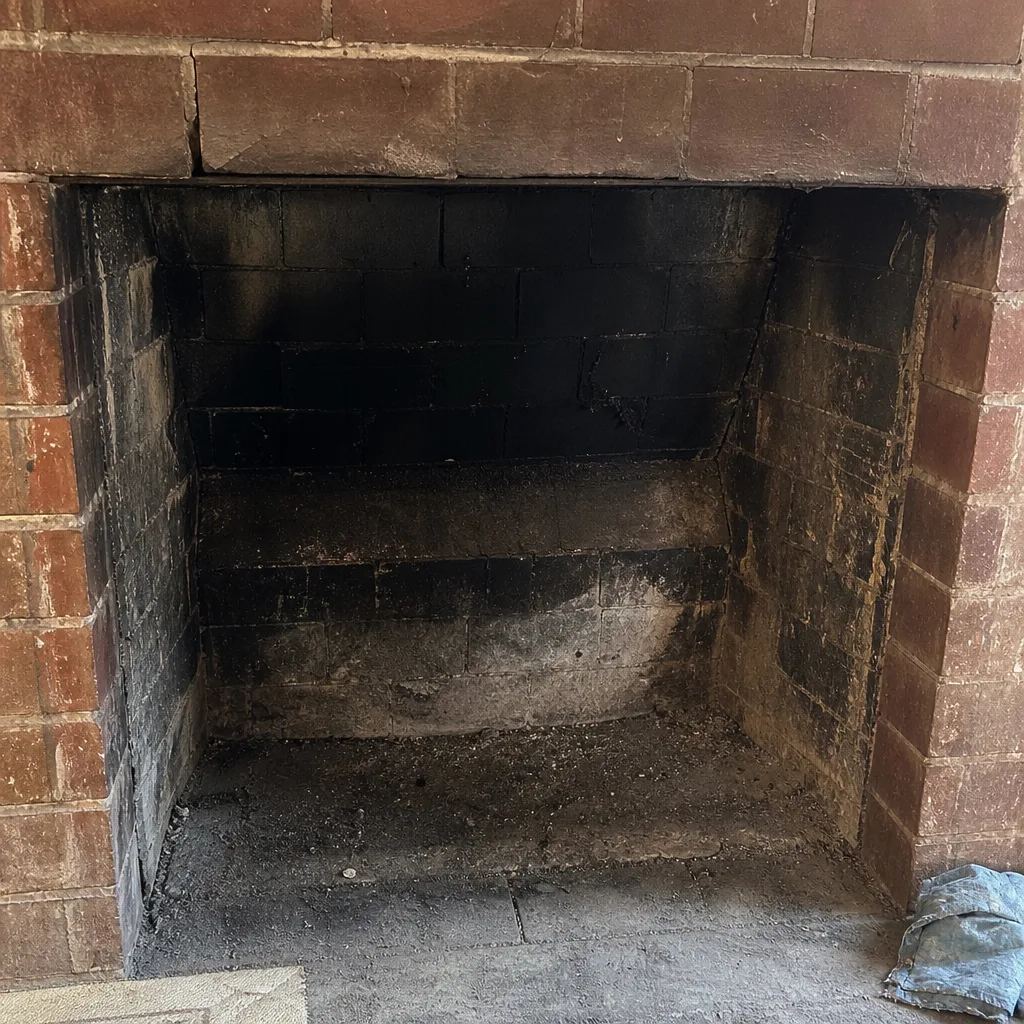 Before
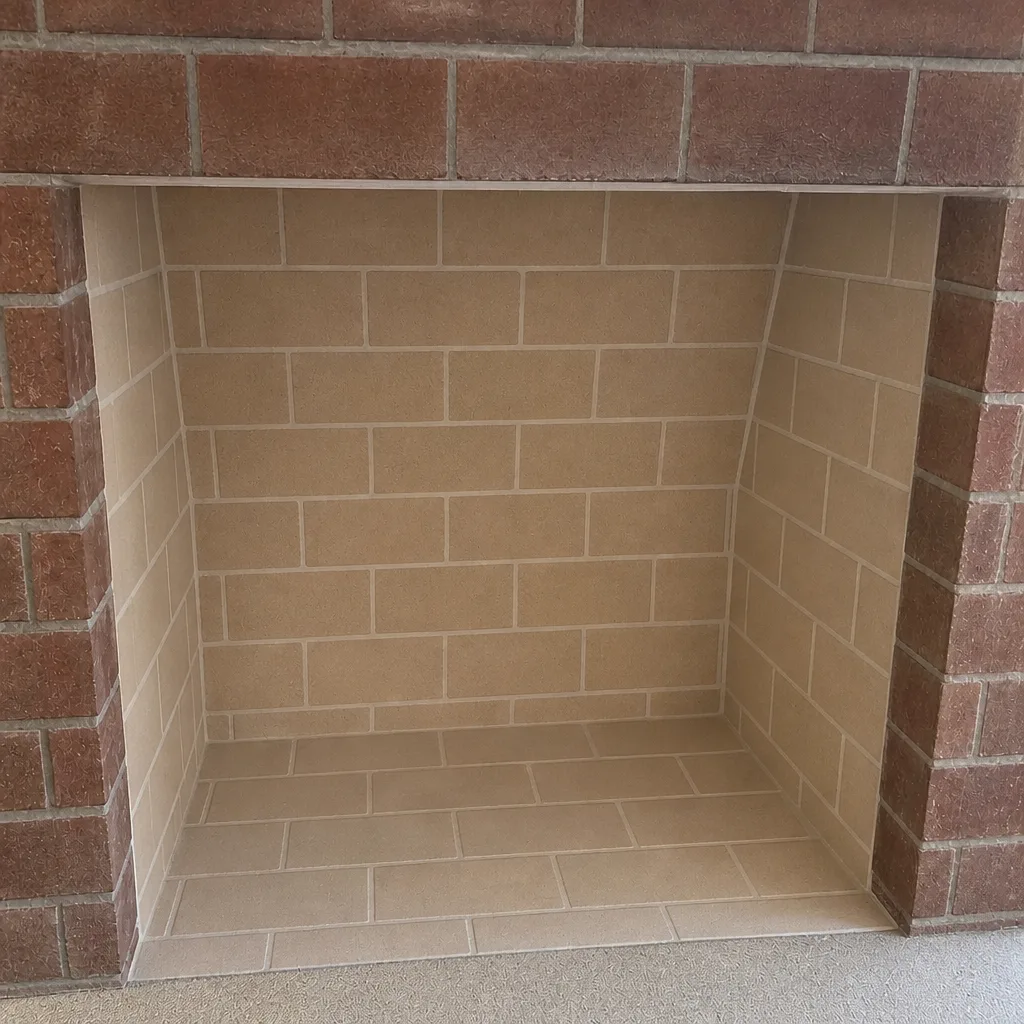 After
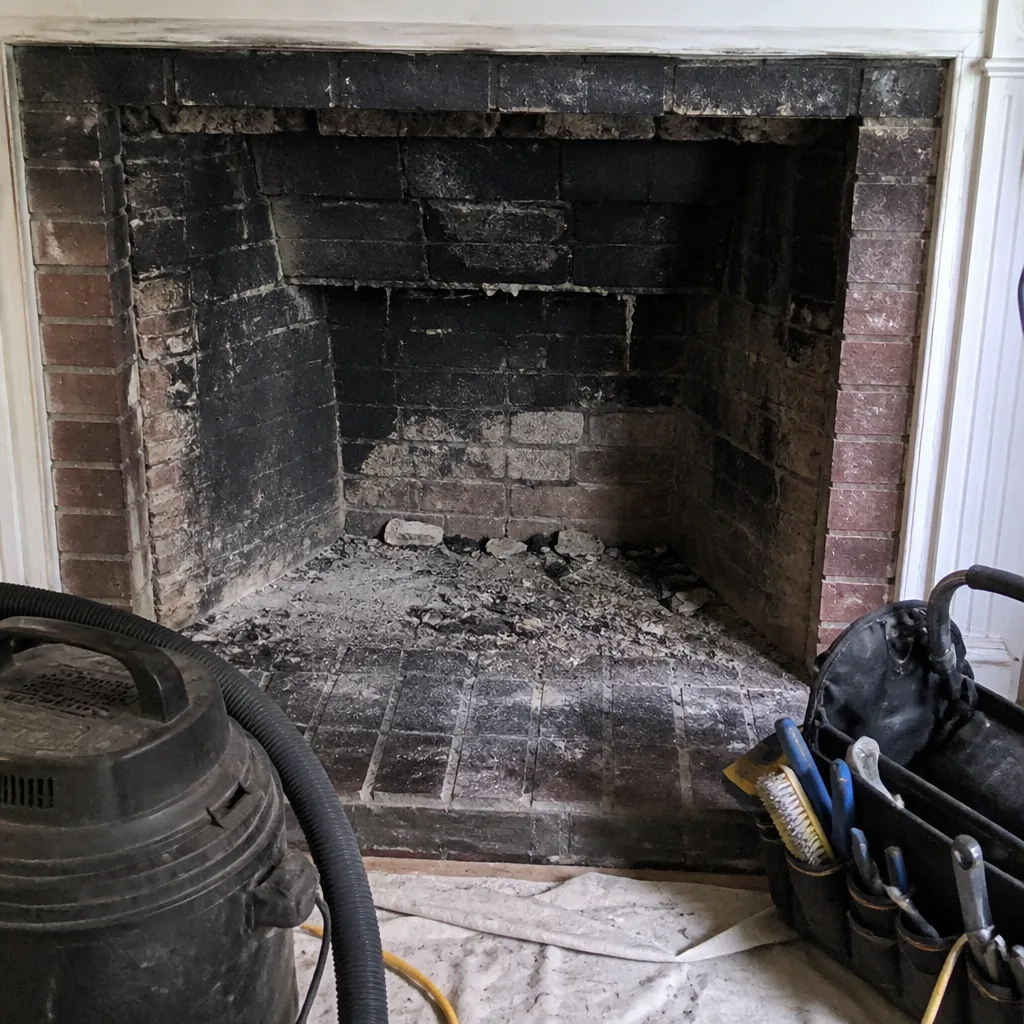 Before
 After
 Before
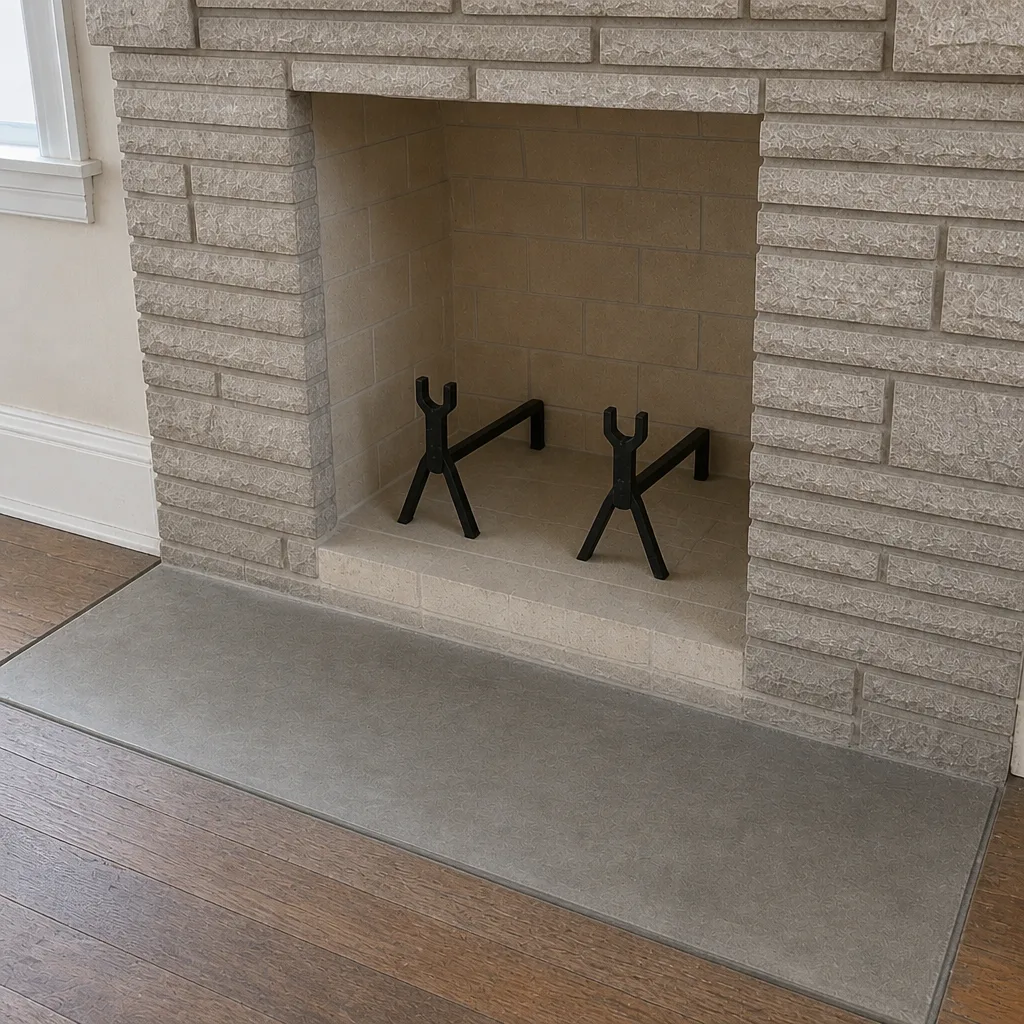 After