
Last updated November 22, 2026
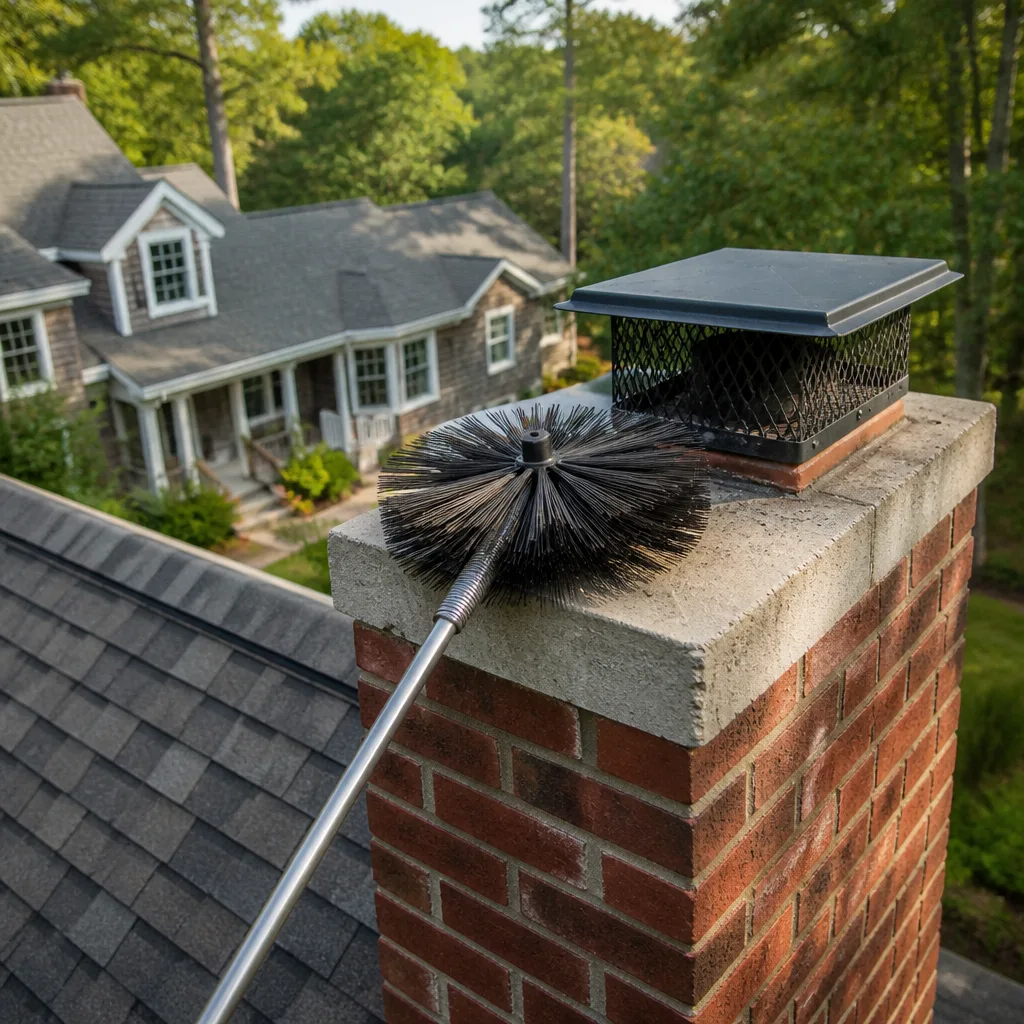 Sweep & inspection
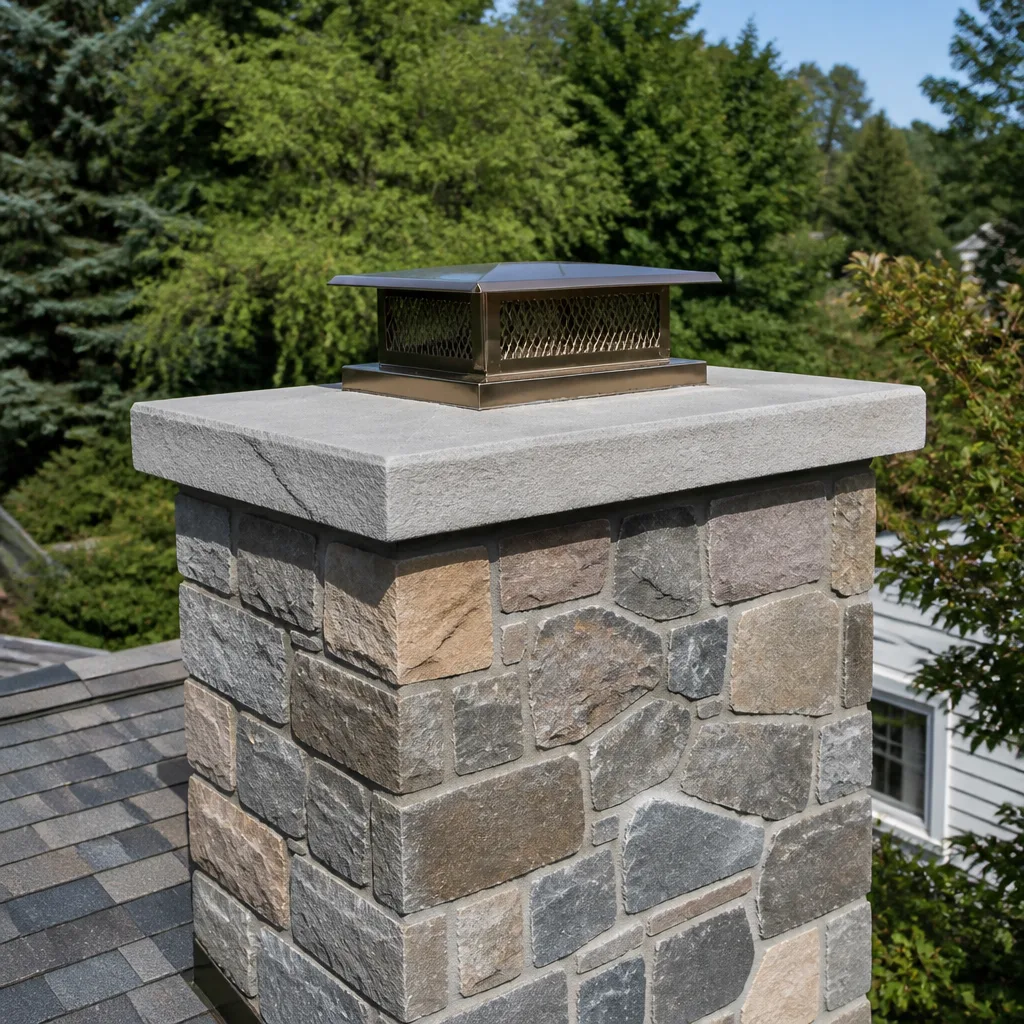 Caps & crowns
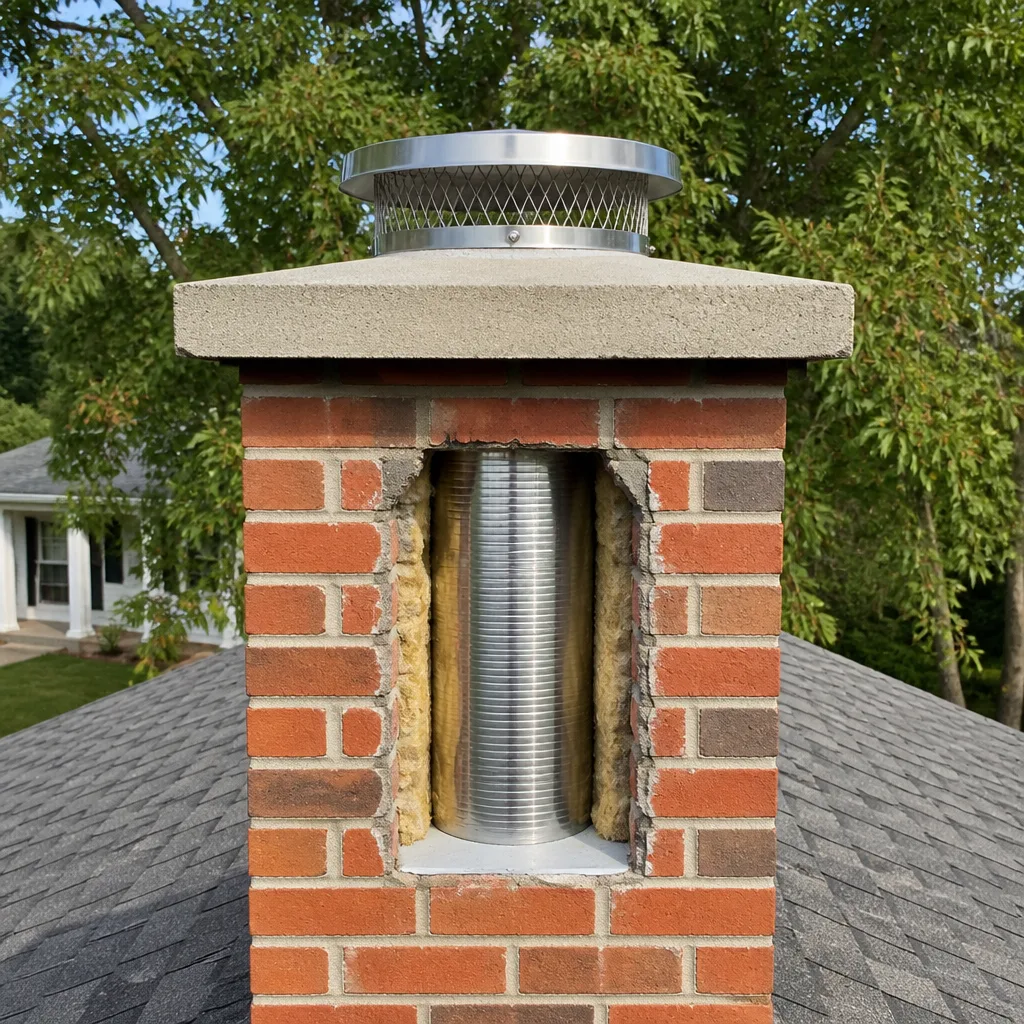 Flue relining
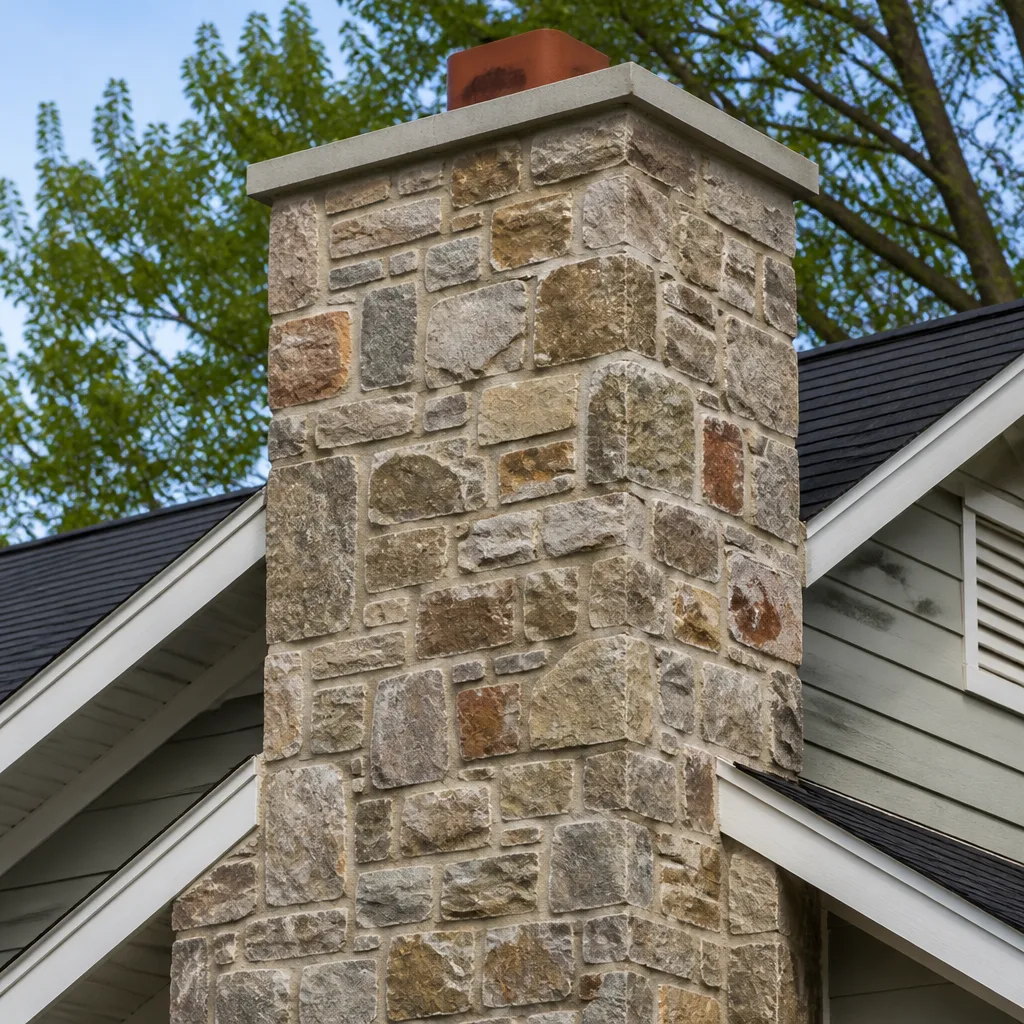 Masonry repair
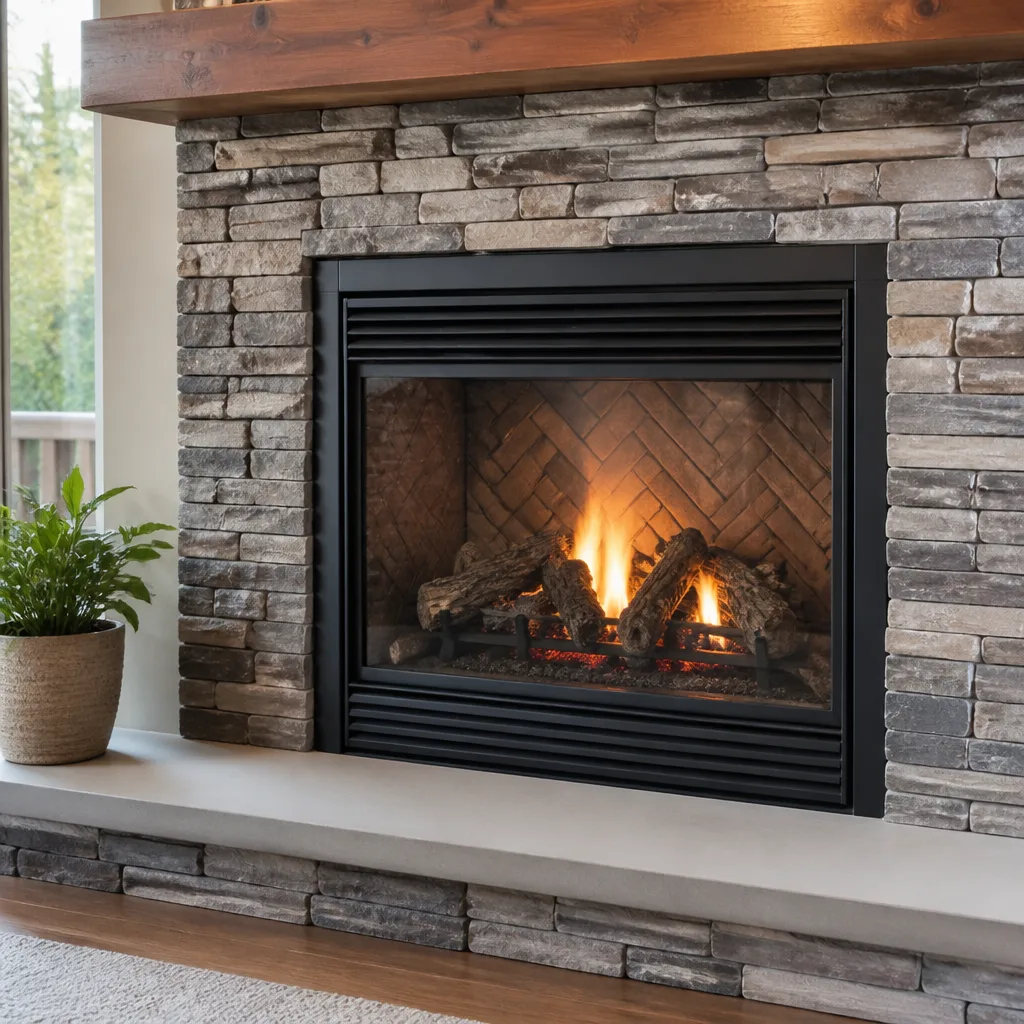 Gas fireplace service
Level 1 sweep and inspection to the NFPA 211 annual standard - flue, crown, cap, and flashing checked and photographed
Chimney sweep logs do not sweep chimneys. They loosen some creosote - which then falls where a brush and vacuum still have to collect it.
Choosing the Right Chimney Cleaning Brand: A Buyer’s Guide for Rhawnhurst
Most homeowners never think about chimney liner brands until a technician is standing in their living room holding a sample and asking them to sign off on a repair. That’s the worst possible moment to learn the difference between a 304 and a 316Ti stainless liner, or between a stamped aluminum cap and a copper one. The brand and spec your contractor uses is not a minor detail. It’s the difference between a flue system that lasts a couple of decades and one you’ll be paying to redo in a few years. This guide walks through the product categories that actually matter in chimney work, how those materials perform in Rhawnhurst‘s wet winters and humid summers, and what questions to ask before you commit to any recommendation.
Quick Answer
The right chimney brand is matched to the fuel type, the flue conditions, and the gauge and warranty behind the material. For wood-burning appliances, a 304-grade stainless liner from a professional brand like DuraFlex or Olympia Chimney is standard; for oil or gas, a 316Ti alloy resists the acidic condensation those appliances produce. Cast-in-place systems like HeatShield handle masonry restoration where a full reline isn’t necessary. Ask your contractor for the brand, the gauge, and the written warranty before you agree to anything. A chimney specialist who works in Rhawnhurst and quotes a specific product can answer all three in one sentence.
Styles & brands we work with
- Sweep & inspection
- Caps & crowns
- Flue relining
- Masonry repair
- Gas fireplace service
Table of Contents
- Why the Brand on the Box Actually Matters
- Liner Materials Explained: 316Ti, 304 Stainless, and Cast-in-Place
- Professional-Grade Brands vs. Big-Box Alternatives
- Chimney Cap Quality Tiers and Rhawnhurst’s Climate
- Waterproofing Products: Why Vapor-Permeable Matters
- How to Ask Your Contractor About Materials
- Red Flags in a Chimney Recommendation
Why the Brand on the Box Actually Matters
A chimney is a system that has to survive continuous exposure to heat, moisture, creosote, acidic condensation, and freeze-thaw cycling. Rhawnhurst sits in Philadelphia’s climate band, which means hot humid summers, wet winters with repeated freeze-thaw cycles, and masonry walls that wick moisture seasonally. The materials inside that system have to handle all of it, every year, without fail. That’s why the brand on the box matters more than most homeowners realize.
Two stainless liners can look identical in a sample case and behave very differently after a decade in the field. Wall thickness (measured in gauge), alloy content, seam construction, and the manufacturer’s warranty terms all separate a professional-grade product from a cheap import. The same goes for caps, crowns, sealants, and masonry repair systems.
A chimney specialist who works with a curated roster of brands is signalling something specific: the materials they specify are the same materials certified chimney professionals use on structural work nationwide. Here at Chimney Sweep Rhawnhurst, the brands we install and work with include DuraFlex, HeatShield, Gelco, Olympia Chimney, Famco, and Copperfield. Each of those brands sits in a specific product category, and understanding the category is the first step toward understanding the recommendation.
Homeowners who ask about materials rarely regret it. And when a technician can’t name the brand, the gauge, or the warranty, that’s not a small gap. It tells you they haven’t thought about the material question carefully, and that’s a signal about the rest of the job, too.
Liner Materials Explained: 316Ti, 304 Stainless, and Cast-in-Place
Not all stainless steel chimney liners are the same gauge, and a 316Ti alloy liner handles oil appliance condensation fundamentally differently than a 304-grade liner designed for wood. The alloy matches the fuel. That’s the core idea, and it’s the number one thing a homeowner should understand before accepting a liner quote. Here’s how the three main liner families break down:
- 304-grade stainless: The standard alloy for wood-burning appliances. It handles the temperatures and the creosote exposure of a wood fire well, and it’s the most common liner material in residential installations. DuraFlex and Olympia Chimney both make 304 liners in the configuration most wood stoves and fireplaces require.
- 316Ti stainless: A titanium-stabilized alloy that resists chloride and acid attack. Use it for oil-fired appliances and certain gas appliances, where the flue gas condenses into an acidic liquid that eats ordinary stainless over time. If a contractor quotes you a 304 liner for an oil furnace, ask why. The answer should be specific.
- Cast-in-place liner systems: Instead of inserting a stainless tube, the technicians apply a cementitious or ceramic coating to the inside face of the existing clay flue. HeatShield is the best-known product in this category in the U.S. It’s used when the masonry is structurally sound but the flue tiles are cracked, spalling, or missing mortar joints. Cast-in-place is a repair, not a replacement, and it extends the life of the original chimney when the conditions allow it.
Each material has a correct application. A 316Ti liner on a wood fireplace is overkill and often overpriced for the job. A 304 liner on an oil appliance is a mistake that will fail within a decade. Cast-in-place is the wrong choice if the clay tiles are crumbling into pieces, because there’s nothing solid for the coating to adhere to. The material should follow the diagnosis, not the other way around.
We diagnose before we quote, which is why the first step on any liner job in Rhawnhurst is a camera inspection of the full flue run. Nothing gets recommended until the technician has seen the inside of the chimney with a camera and can show you the photos.
Professional-Grade Brands vs. Big-Box Alternatives
Home improvement stores sell chimney liners, caps, sealants, and repair kits. Some of those products are fine for a specific narrow use. Most of them are not what a chimney specialist would install on a job they’ll warranty. The difference comes down to four measurable factors:
- Wall thickness and gauge. Professional liner brands publish their gauge. Cheap imports often don’t. A difference of one gauge in stainless wall thickness translates to years of service life under heat cycling, and you can’t see the difference by looking at a sample.
- Alloy certification. A manufacturer who can tell you the exact alloy spec (304, 316L, 316Ti, etc.) is a manufacturer who tracks their metallurgy. One that lists “stainless steel” and nothing more is telling you something by omission.
- Warranty terms. Professional-grade liners carry written warranties that run multiple decades. Big-box liners typically carry short-term limited warranties that exclude most of the failure modes that actually happen in the field.
- Installation compatibility. Professional brands publish installation specs for the fittings, top plates, and caps they pair with. Mixing a random cap with an off-brand liner voids warranties on both sides.
For a Rhawnhurst homeowner, the practical translation is this: if a quote is dramatically cheaper than the others, ask which brand is being installed. If the answer is vague, that’s your answer. If the answer names a brand you don’t recognize, ask for the gauge and the warranty in writing. A specialist quoting DuraFlex, Olympia Chimney, Gelco, Famco, Copperfield, or HeatShield will have those numbers on hand.
Liner and rebuild capability signals deep structural expertise beyond surface-level cleaning. A sweep-only contractor will quote a liner job because they can install a tube; a specialist will quote the liner the flue actually requires and won’t reach for a full reline if HeatShield cast-in-place will solve the problem at a fraction of the cost. Familiarity with both resurfacing and full relining solutions gives homeowners repair options before they commit to full replacement.
Chimney Cap Quality Tiers and Rhawnhurst’s Climate
A chimney cap protects the flue from rain, snow, animals, and downdrafts. It’s the most exposed component on the chimney, and in Rhawnhurst the exposure includes wet winters with regular freeze-thaw cycles, summer storms, and the tree debris that comes with living in a neighborhood full of mature oaks and maples. Cap quality directly determines how often you’ll be replacing it. The three-tier breakdown:
- Stamped aluminum caps: The budget tier. Aluminum resists corrosion reasonably well but thin stamped metal dents easily, and the mesh screens on low-end caps rust or tear within a few seasons. They’re fine for a rental property where you want a basic cover, but they don’t hold up long-term on a house you plan to keep.
- Stainless steel caps: The middle and most common professional tier. Stainless handles moisture and temperature cycling far better than aluminum, and the mesh screens last significantly longer. Gelco, Olympia Chimney, and other professional manufacturers make stainless caps sized to standard flue dimensions. This is what most chimney specialists recommend for a wood-burning chimney in this climate.
- Copper caps: The top tier. Copper is the most durable option, resists corrosion essentially forever in this climate, and develops the patina most homeowners either love or want to prevent with a clear coat. Copperfield makes professional-grade copper caps. The trade-off is cost, and copper is overkill unless you’re doing a full crown job and want the visual consistency.
The quality question isn’t just which metal. It’s whether the cap is sized correctly to your flue, whether the mesh opening is small enough to keep out squirrels and birds but large enough to draft properly, and whether the cap is attached to the crown with the correct fasteners. A copper cap attached with the wrong screws is a worse install than a stainless cap attached correctly. Ask your contractor how they size and fasten the cap, and ask what happens when the cap attaches to a crown that’s already cracking.
If your crown is deteriorating, the cap replacement is the moment to address it. Our chimney cap & crown work pairs the two repairs so you’re not paying twice for the same ladder work.
Waterproofing Products: Why Vapor-Permeable Matters
Waterproofing is the most misunderstood product category in chimney work, and the mistake is expensive. The wrong product makes the moisture problem worse. Here’s why.
Masonry is porous. Water vapor that enters the brick from inside the house, or from the flue gases themselves, needs to escape. A vapor-permeable waterproofing product lets that vapor pass through while blocking liquid water from the outside. A paint-based or film-forming sealant does the opposite: it traps the vapor inside the masonry, where it condenses and eventually pushes the brick face off. That failure mode is called spalling, and once it starts, cosmetic repair isn’t enough.
In Rhawnhurst’s climate, the stakes are high. Masonry that soaks up rain in November and then freezes in January is masonry that cracks. Vapor that can’t escape during a humid summer is vapor that pushes through the crown and the flue tiles. The correct product class is a breathable, vapor-permeable masonry waterproofer. ChimneySaver is the best-known professional-grade product in that class, and it’s what specialists reach for on a masonry chimney that shows moisture staining but hasn’t yet spalled.
What to ask about a waterproofing quote:
- Is the product vapor-permeable? The contractor should say yes without hesitation.
- Is the product specifically labeled for chimney and masonry use? Deck sealers and concrete paints are not.
- Is the chimney clean and dry before application? Applying waterproofer to a damp or dirty chimney seals in the problem.
- What warranty comes with the product, and does it cover adhesion failure?
Waterproofing is not the same as crown repair. A leaking crown is a structural problem that no sealant will fix from the outside. The chimney repair work we do starts with the crown and the flashing because those are the two places most water actually enters the chimney, and waterproofing happens after those repairs, not instead of them.
How to Ask Your Contractor About Materials
The single best way to protect yourself as a homeowner is to ask three specific questions and insist on three specific answers. This isn’t an interrogation; it’s a normal conversation a chimney specialist should welcome. If the answers are vague, you’ve learned something useful before you’ve paid anything.
Ask these three:
- What brand and product are you proposing? The answer should be a name, not a category. “Stainless liner” is a category. “DuraFlex 304 stainless” is an answer.
- What gauge or specification, and why that spec for this flue? The answer should reference the fuel type and the condition of the flue. A 304 liner for a wood stove is correct. A 316Ti liner for an oil furnace is correct. An answer that doesn’t distinguish between the two is a technician who hasn’t thought about the material.
- What warranty is in writing, and who backs it? The warranty should come from the manufacturer with installation terms attached. A verbal warranty is not a warranty.
A fourth question that separates specialists from generalists: can I see the camera footage? A professional sweep includes a camera inspection and a photo report. The recommendation should follow from what the camera shows, and you should see what they saw. We diagnose before we quote, which means no recommendation leaves the truck until the flue has been scoped and photographed.
One more angle worth testing: ask whether the recommendation is a repair or a replacement. A specialist with HeatShield and cast-in-place capability should be able to tell you when resurfacing will work and when it won’t. A sweep-only contractor may not carry the resurfacing product at all, and may lean toward a full reline because that’s the only tool they have. If the answer to “could a cast-in-place repair work here?” is “no, we don’t do that,” ask a specialist who does.
Red Flags in a Chimney Recommendation
Chimney work attracts a certain amount of upselling because the homeowner can’t easily verify what’s happening inside the flue. That’s why a few specific patterns are worth watching for. None of them is a guarantee of a bad contractor, but each one is a reason to slow down and ask for specifics before you sign.
- A quote with no product name. If the estimate says “liner replacement” without specifying brand, gauge, and warranty, it’s not a real quote. It’s a placeholder for whatever material the contractor has on the truck.
- A recommendation to reline without camera evidence. A full reline is sometimes necessary. It’s never justified by a glance up the flue from the firebox. Ask to see the footage.
- A waterproofing quote for a paint-based sealant. If the product is described as “sealer” or “coating” without the word vapor-permeable, ask what it is. Masonry that can’t breathe will spall.
- A price that’s dramatically below the range on other quotes. Cheap liner jobs are usually cheap because the liner is cheap. Ask what brand and gauge is being installed and see if the answer makes sense against the price.
- A recommendation to replace a cap that isn’t actually failing. Caps are exposed and they look bad before they fail. Ask the contractor to show you the specific failure: cracked mesh, separated seam, missing fastener.
- A blanket recommendation for a full rebuild when resurfacing is possible. HeatShield cast-in-place is a legitimate alternative to full reconstruction when the masonry is sound but the interior is failing. A specialist offers both.
- A contractor who does chimney work “and” three other trades. A chimney system is a specialist’s system. A generalist is applying general rules to a component with its own codes, failure modes, and material standards.
The common thread across all seven is specificity. A specialist can answer any of these questions in one sentence, without checking anything, because the answer is part of how they work. That’s the standard worth holding a chimney contractor to.
What a Professional Chimney Sweep Actually Involves
A chimney sweep is not a brush on a stick. It’s a service that should include several distinct steps, and a well-run sweep in Rhawnhurst follows the same basic sequence regardless of which neighborhood it’s in. If a contractor’s sweep doesn’t include these steps, the sweep is incomplete even if the flue looks clean at the end.
- Setup and protection. Drop cloths on the hearth and floor, a running vacuum with HEPA filtration tied into the firebox, and a sealed workspace before any brush goes in.
- Inspection of the firebox, damper, smoke chamber, and flue. A camera inspection of the full flue run, top to bottom, with photos the homeowner can see.
- Sweep of the flue with appropriate brushes for the flue type. Clay tile, stainless, and cast-in-place surfaces take different brushes. A brush that’s correct for one is wrong for another.
- Removal of creosote from the smoke chamber and smoke shelf. This step is where a lot of quick sweeps fall short. The smoke chamber is a common fire origin point, and sweeping it requires actual work.
- Cleanout of the firebox and disposal of the creosote. The homeowner shouldn’t be left with a pile of soot to deal with.
- Cap, crown, and flashing check. The exterior inspection that pairs with the interior one, and the step that catches water intrusion before it becomes a masonry repair.
If any one of those steps is skipped, the sweep is not done, even if the bill is paid. This is why we work as a full-spectrum chimney service rather than a sweep-only operation: the same visit that cleans the flue also ends with a report on the cap, crown, and flashing, so the homeowner isn’t scheduling a second contractor to look at the exterior.
Why Rhawnhurst Chimneys Age the Way They Do
Rhawnhurst is a neighborhood of largely mid-century masonry construction, and that building stock interacts with the local climate in a specific way. Homes here often have original clay tile flues, and those flues were installed at a time when homes were heated differently, vented differently, and generally used more continuously through the winter. A modern wood stove or gas insert that runs more intermittently produces condensation, and that condensation is what damages clay tile over time.
The neighborhood’s tree canopy doesn’t help either. Rhawnhurst has mature street trees, and mature trees drop debris onto caps and crowns all year. A cap with a torn mesh is a cap that’s letting squirrels and birds into the flue, and a crown covered in leaf litter holds moisture against the masonry. Both of those are simple to fix, and both are much more expensive to ignore.
The overall pattern we see across Rhawnhurst is consistent: chimneys that were maintained reasonably well for thirty or forty years, then sat through a few seasons of deferred maintenance, and are now showing the first round of water intrusion or tile spalling. Most of those are still very fixable. The right approach depends on the specific diagnosis, which is why a camera inspection is the first step on any of these calls.
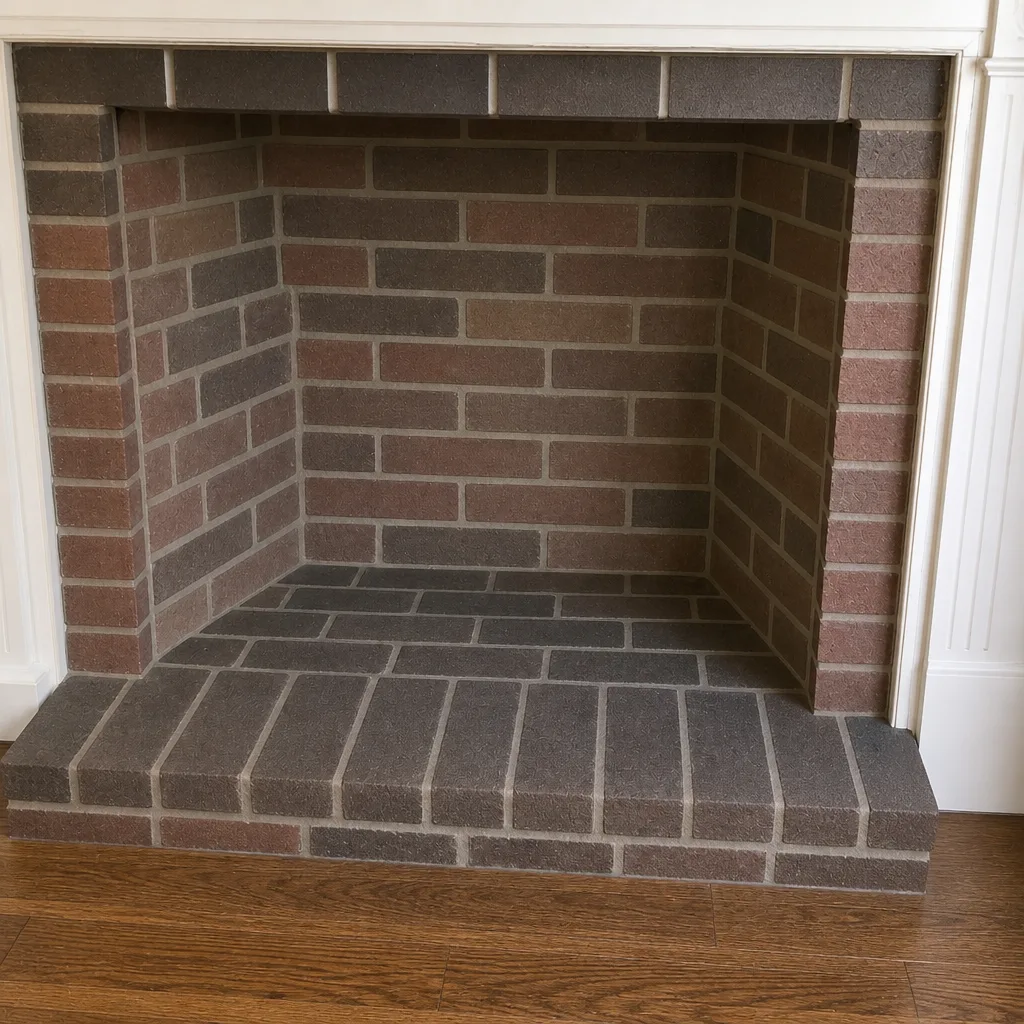
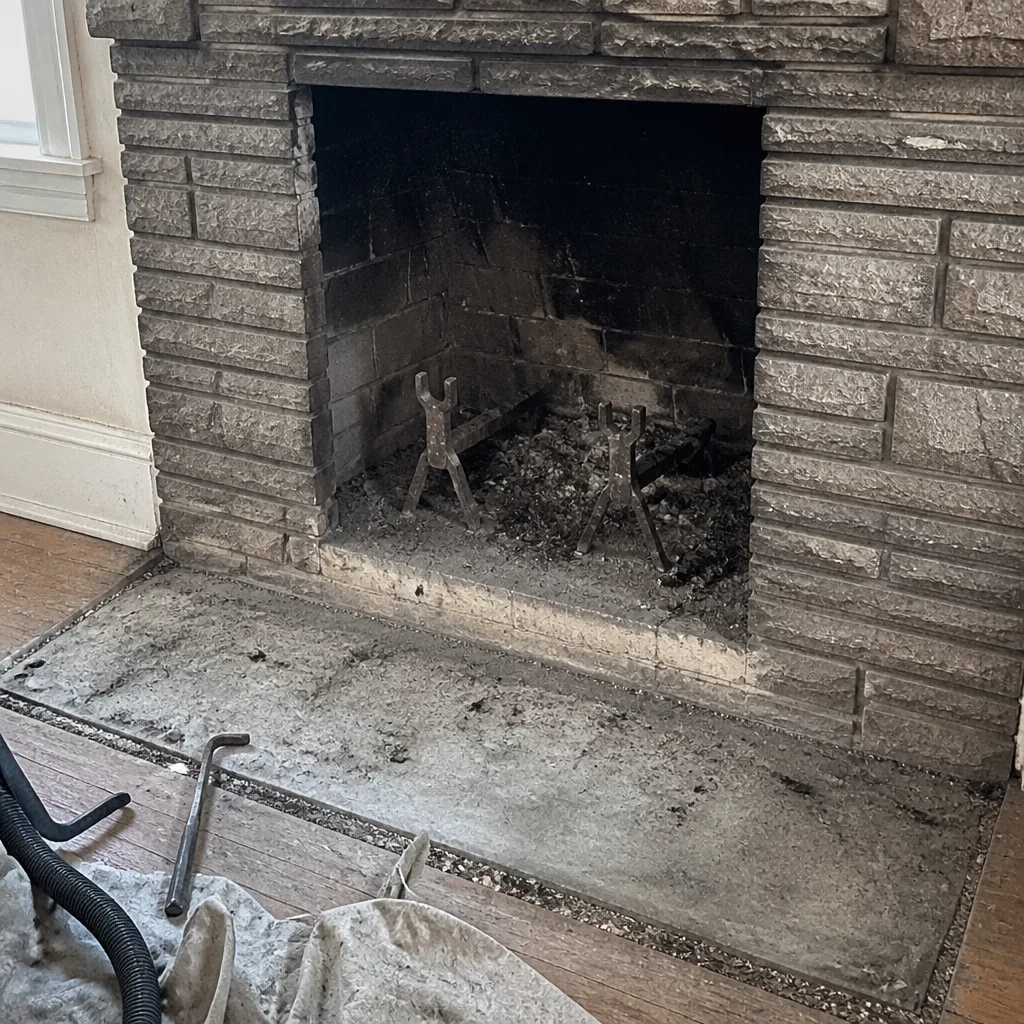
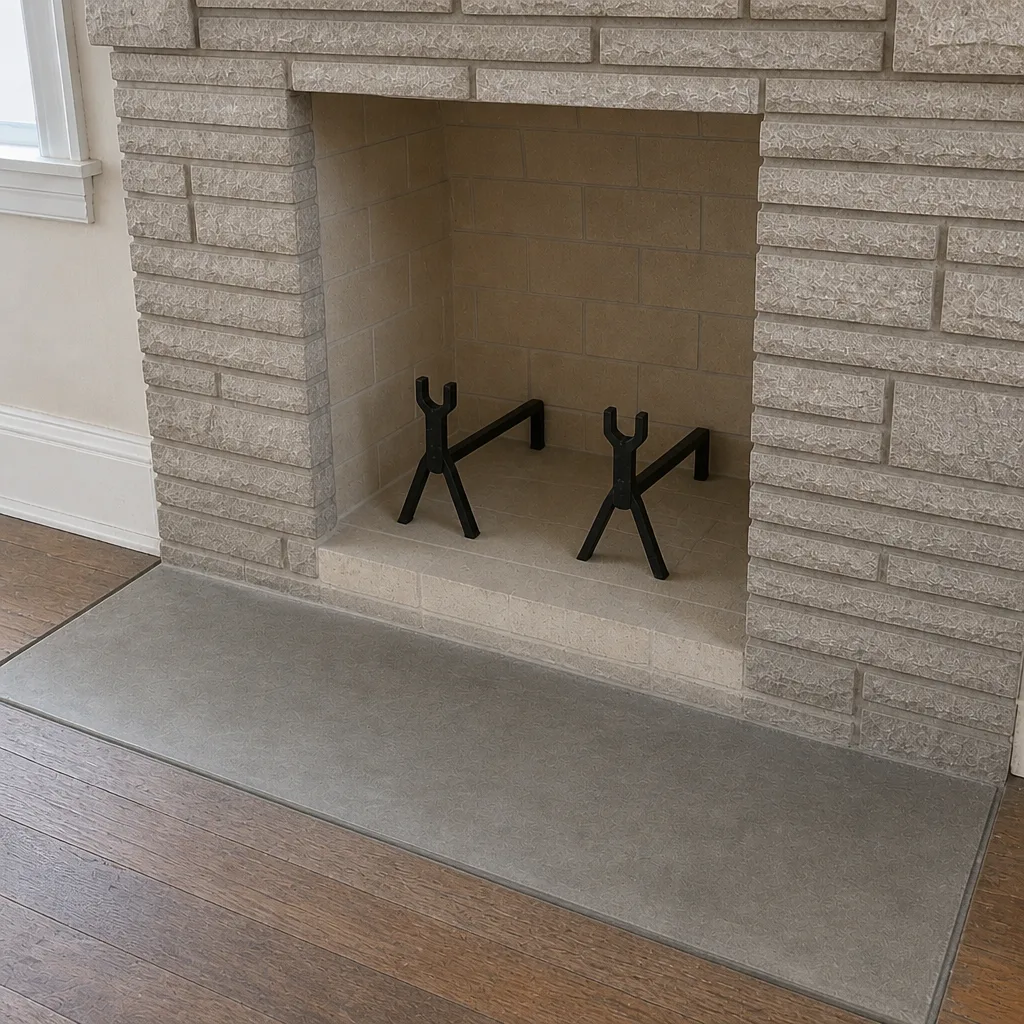
See the difference
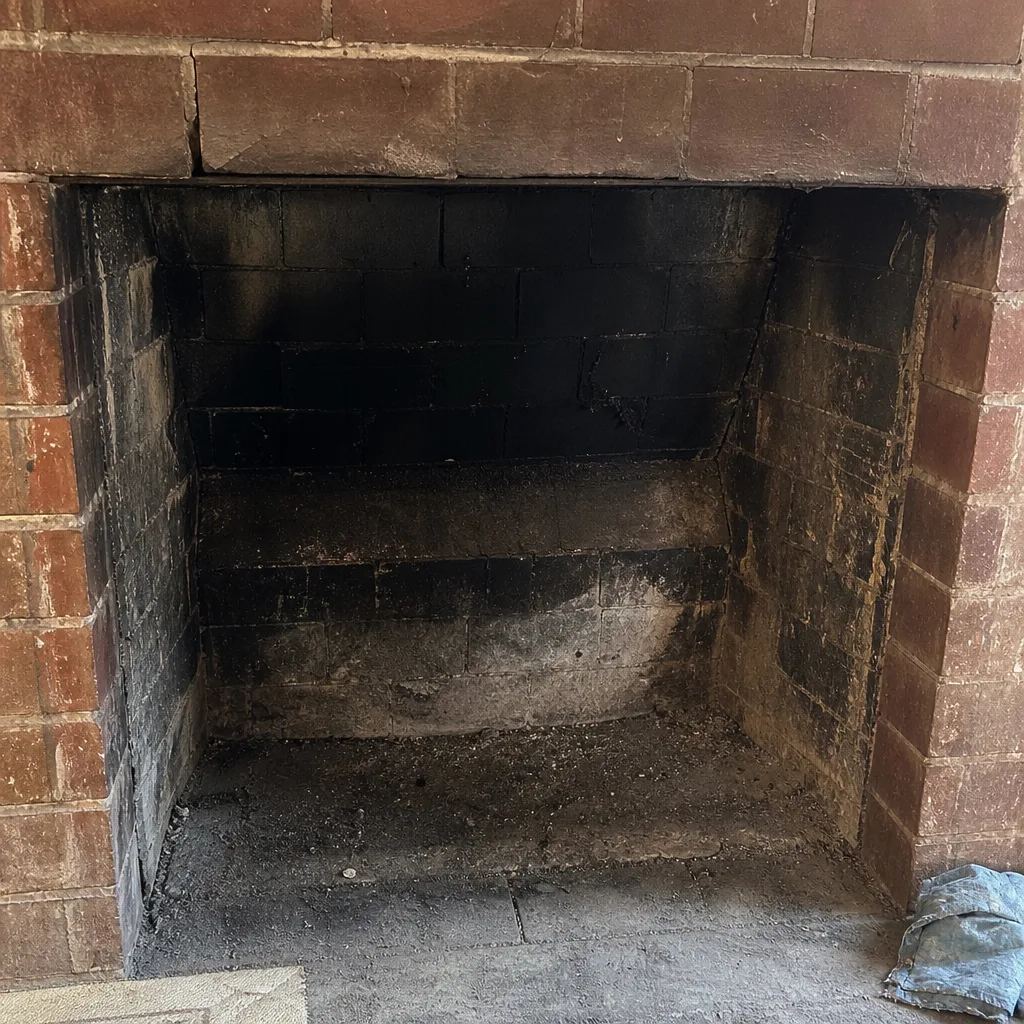 Before
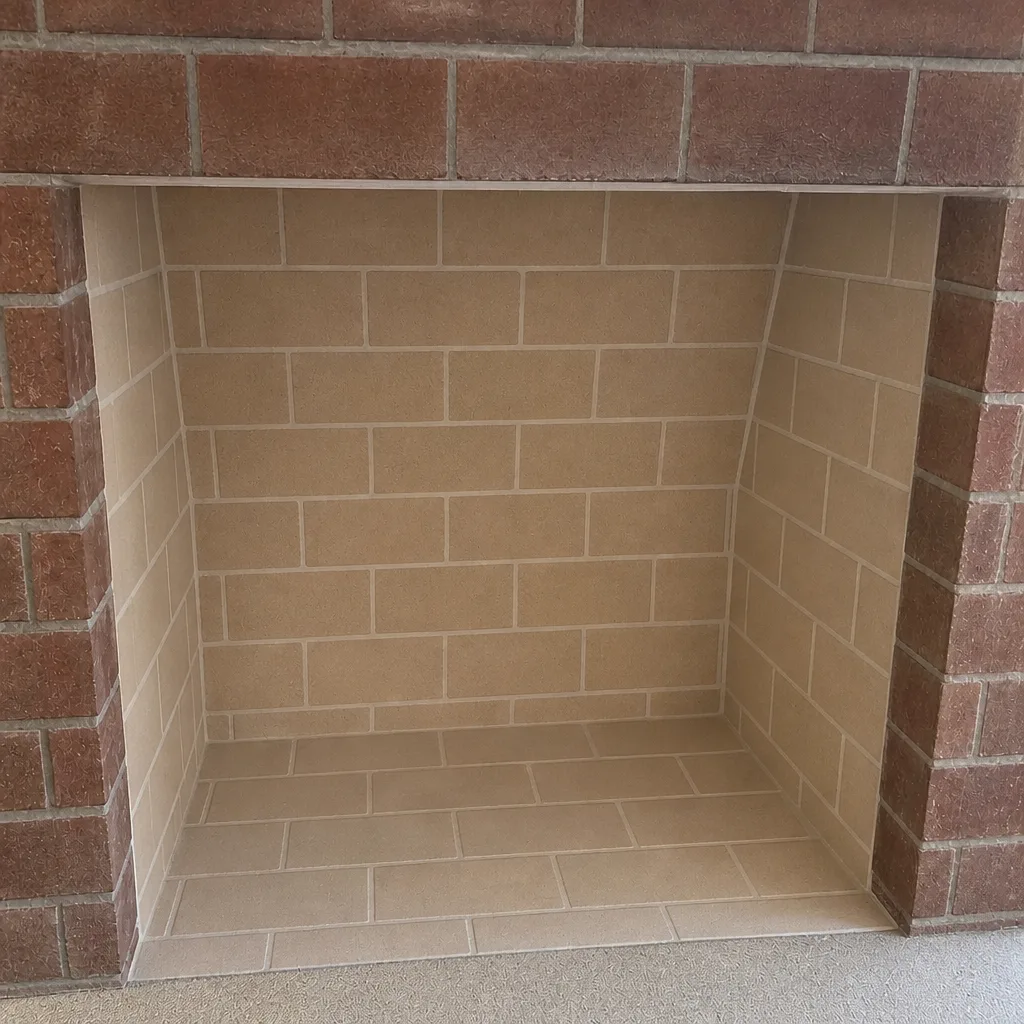 After
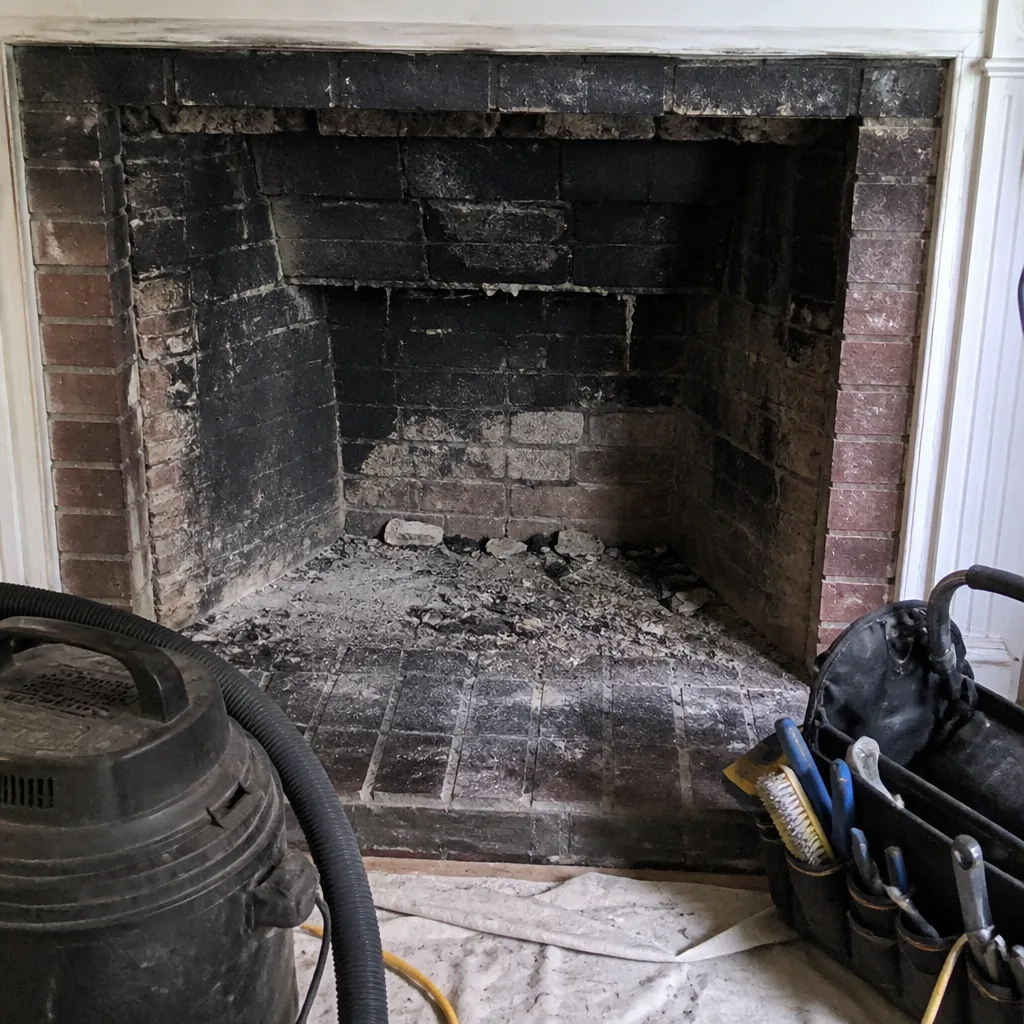 Before
 After
 Before
 After
Common Mistakes to Avoid
- Accepting a liner quote without a brand name. “Stainless liner” is not a product description. Ask for the specific brand, gauge, and warranty in writing before you agree. A vague answer is a signal about the rest of the job.
- Letting a generalist sweep your chimney. A roofer who sweeps chimneys on the side is applying general rules to a specialized system. Chimney work has its own codes, its own failure modes, and its own product standards, and a specialist stays current on all three.
- Using a paint-based masonry sealant. Masonry paint traps vapor and accelerates spalling. Ask specifically for a vapor-permeable waterproofing product and confirm the label says so. In Rhawnhurst’s freeze-thaw cycle, this mistake shows up within a few winters.
- Replacing a cap without checking the crown. A new cap on a failing crown is money spent on the wrong repair. If the crown is cracking or the flashing is loose, address those first, then cap.
- Skipping the camera inspection because the chimney “looks fine.” The failures that matter are interior. Camera inspection with a photo report is the only way to see what’s actually happening in the flue.
- Choosing the cheapest quote without comparing materials. Two liner quotes at very different prices usually reflect different gauges and different warranties. The lower price isn’t a better deal if the material won’t last.
- Deferring waterproofing and crown maintenance season after season. Water intrusion in Rhawnhurst masonry is progressive. Small cracks become spalled brick become structural repair, and the cost curve is not flat.
When to Call a Professional
Some chimney symptoms are simple and can wait. Others need a specialist on the property soon. The situations that justify a call to a professional:
- A flue that hasn’t been swept in a season of heavy wood burning.
- Any evidence of water staining on the ceiling near the chimney or on the exterior masonry.
- A cap with a torn mesh, a missing component, or visible animal activity.
- Creosote odor in the house between fires, which usually means the flue needs sweeping and the smoke chamber needs cleaning.
- A damper that doesn’t close fully, or smoke spilling into the room on startup.
- Any fireplace insert or appliance change that requires the flue to be re-sized or re-lined.
- A home purchase where the chimney’s history is unknown.
The full-spectrum chimney services at Chimney Sweep Rhawnhurst cover each of these cases, from routine sweep to cap and crown, liner, and fireplace repair. Chimney Sweep Rhawnhurst offers free estimates in Rhawnhurst. Call (866) 861-1187. We answer 24/7. Fast dispatch from 7am to 7pm, Sunday through Friday.
Frequently Asked Questions
DuraFlex and Olympia Chimney are the professional-grade brands most chimney specialists install for wood-burning applications, typically in 304-grade stainless. The right brand is the one matched to your flue’s measured dimensions and to the appliance, and the installation has to be correct regardless of the brand. Ask for the brand, the gauge, and the warranty in writing before you commit. Call (866) 861-1187 for an exact quote. Estimates are free.
A stainless liner is the right choice when the existing flue tiles are missing, cracked beyond repair, or absent entirely; cast-in-place systems like HeatShield are the right choice when the masonry is sound but the interior tile surface is spalling, cracked, or has open joints. The decision requires a camera inspection of the full flue, not a guess from the firebox. Nothing should be recommended until you’ve seen the footage yourself.
Stainless steel caps are worth the upgrade over stamped aluminum in this climate. The extra cost buys a mesh screen that resists rust and a body that survives freeze-thaw cycling without denting. Copper caps (like Copperfield’s) are the top tier for longevity, but stainless is the practical recommendation for most wood-burning chimneys. The bigger factor than cap material is whether the cap is sized, sealed, and fastened correctly to the crown.
Paint-based sealers trap water vapor inside the masonry, which accelerates spalling under Rhawnhurst’s freeze-thaw cycle. Vapor needs to escape through the brick; a vapor-permeable product like ChimneySaver allows that while blocking liquid water from outside. If a waterproofing quote doesn’t specify a vapor-permeable product, ask why, and don’t accept “sealer” as an answer. Call (866) 861-1187 to talk through what your chimney actually needs.
Asking for the brand is a good start, but the gauge and the warranty matter just as much. Two liners with the same brand name can differ in wall thickness, and the warranty is what protects you if the material fails. Ask all three: brand, gauge, warranty. A specialist will answer them in one sentence, and a vaguer answer is worth noting before the job is scheduled.
An annual inspection is the standard for any actively used chimney, and a sweep on the same visit if the flue load calls for it. A wood-burning fireplace that gets regular winter use typically needs a sweep each season; a gas or oil appliance needs the inspection more than the sweep. Any chimney with deferred maintenance or a home purchase with unknown history should get a full camera inspection before the next heating season. Call (866) 861-1187 for an exact quote. Estimates are free.
The Bottom Line
The brand of liner, cap, sealant, and repair system your contractor installs is the difference between a chimney that lasts another generation and one that needs rework in a few seasons. Match the material to the fuel type and the flue condition. Ask for the brand, the gauge, and the warranty on every quote. Reject paint-based sealants in favor of vapor-permeable products, and confirm the cap is stainless or copper rather than stamped aluminum. A specialist in Rhawnhurst who works with HeatShield, DuraFlex, Gelco, Olympia Chimney, Famco, and Copperfield will answer all of those questions without hesitation, and will show you the camera footage before recommending a single dollar of work. That’s the standard worth holding any chimney contractor to.
When you’re ready for a sweep, an inspection, or a second opinion on a liner or rebuild quote, we’re one call away. Chimney Sweep Rhawnhurst covers the full range of chimney services in Rhawnhurst, from a routine chimney sweep to a full liner and rebuild job. Call (866) 861-1187. We answer 24/7. Fast dispatch from 7am to 7pm, Sunday through Friday. Estimates are free, and nothing gets recommended until you’ve seen the camera footage for yourself.
Written by the team at Chimney Sweep Rhawnhurst.