
Last updated November 22, 2026
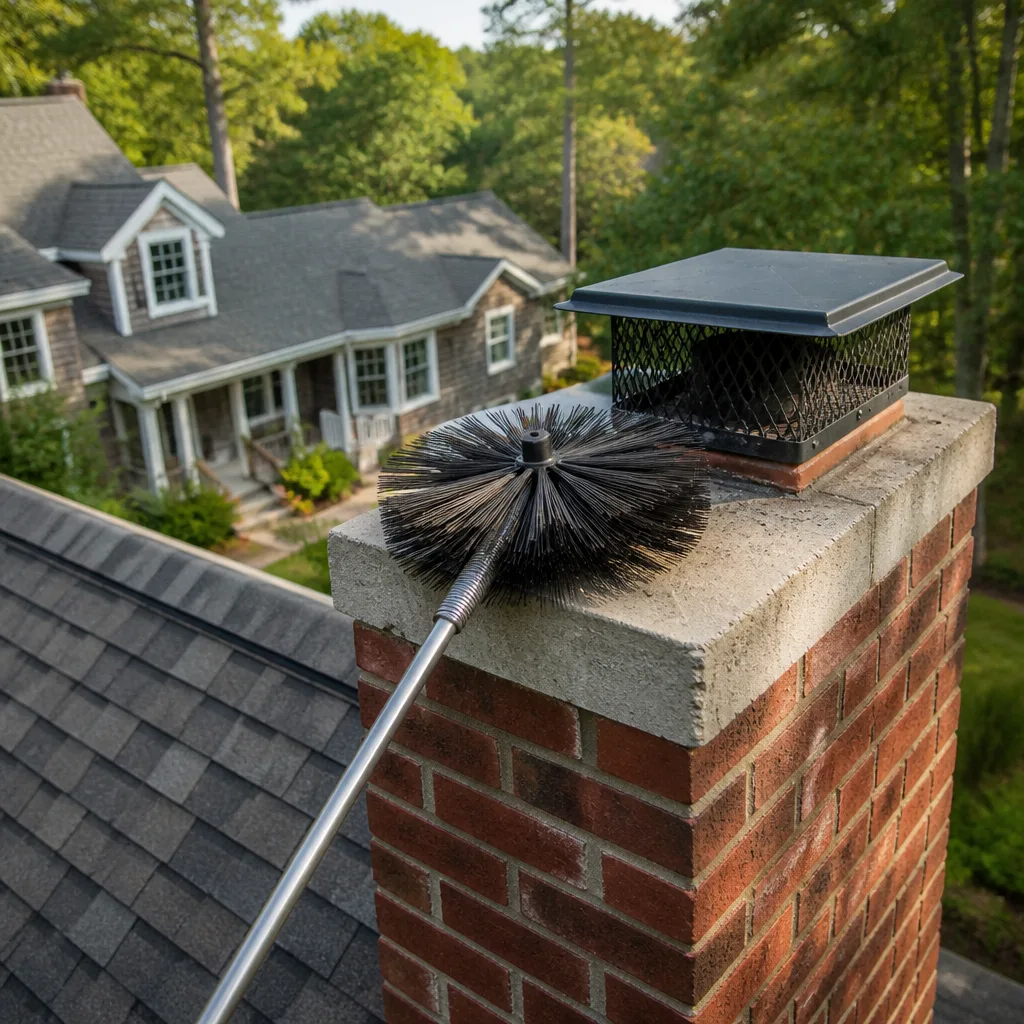 Sweep & inspection
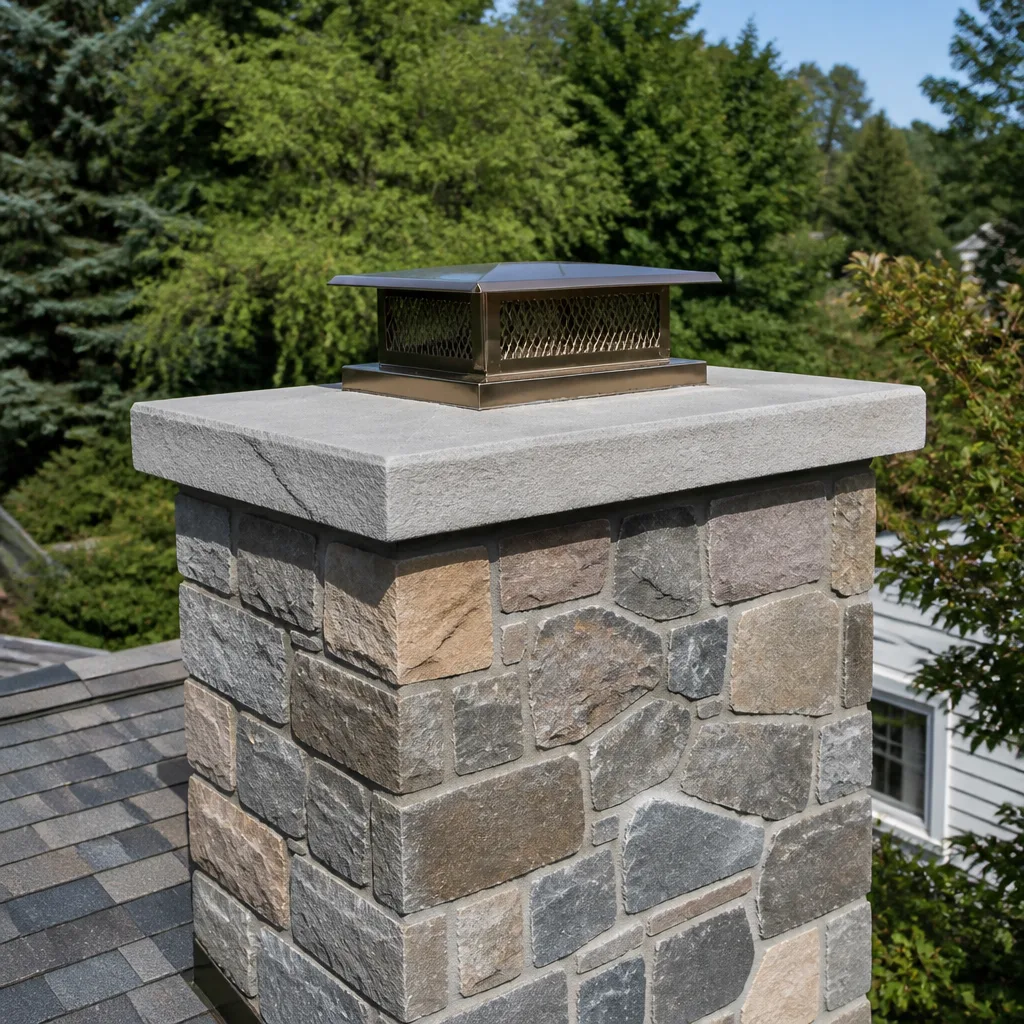 Caps & crowns
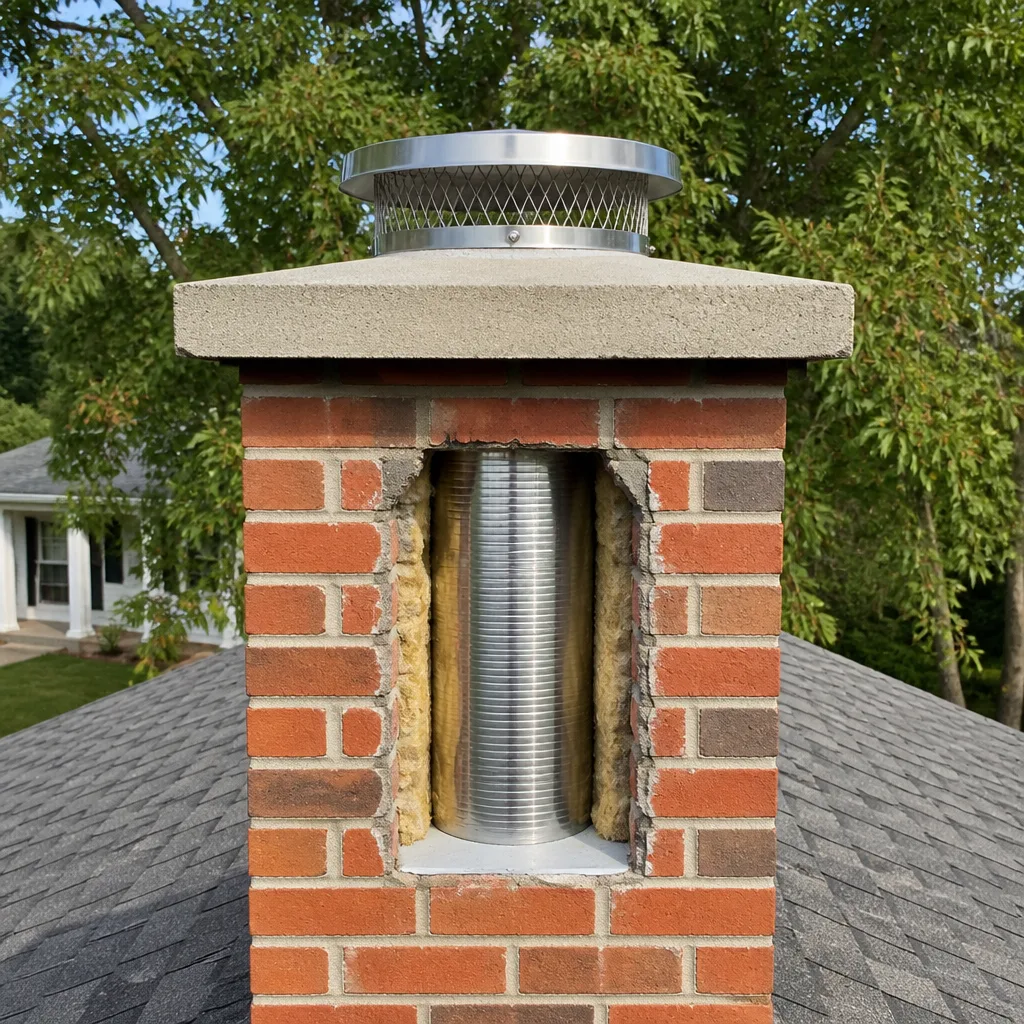 Flue relining
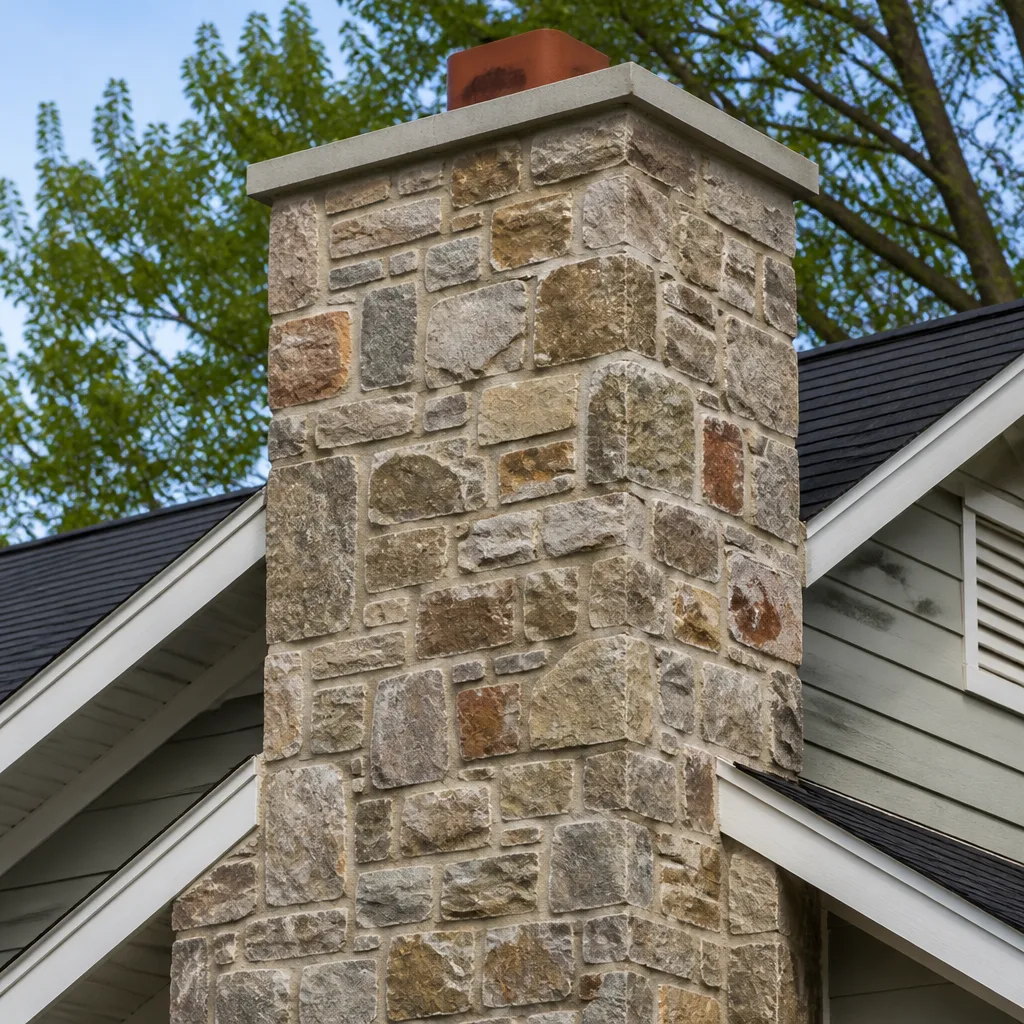 Masonry repair
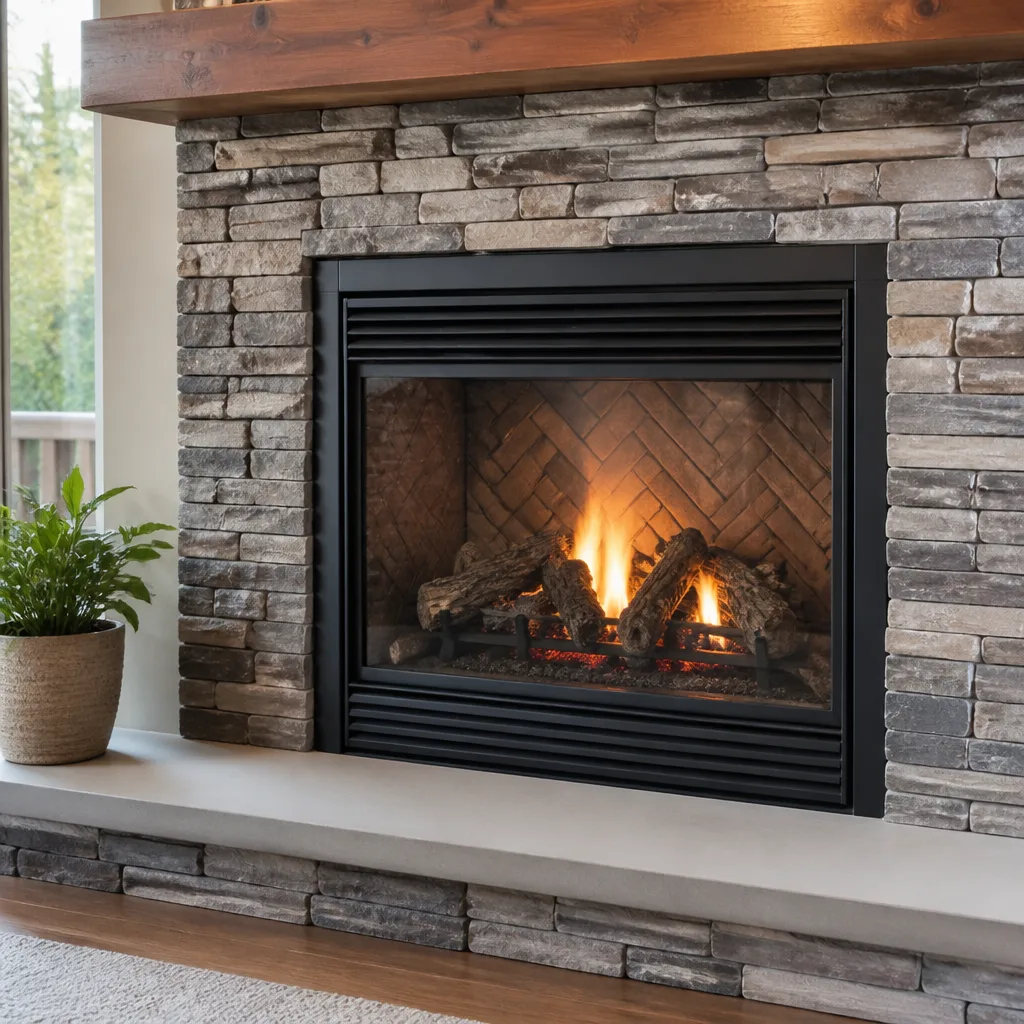 Gas fireplace service
Level 1 sweep and inspection to the NFPA 211 annual standard - flue, crown, cap, and flashing checked and photographed
Chimney sweep logs do not sweep chimneys. They loosen some creosote - which then falls where a brush and vacuum still have to collect it.
How to Hire a Chimney Cleaning Contractor in Rhawnhurst: A Step-by-Step Guide
Here’s the part most homeowners never hear: Pennsylvania doesn’t license chimney sweeps at the state level. That means the person quoting you a suspiciously low price for a “full cleaning” and the CSIA-certified specialist charging several times that amount are both legally operating on the same footing. There’s no state exam, no license board, no minimum standard you can look up. Knowing the difference falls entirely on you, and that’s an uncomfortable place to be when the work involves fire safety.
This guide gives Rhawnhurst homeowners a practical vetting framework: what certification actually means and how to check it, the questions that separate specialists from opportunists, and how to read an estimate so you know exactly what you’re paying for. By the end, you’ll know how to choose a chimney contractor with confidence rather than guesswork.
Quick Answer
To hire a chimney cleaning contractor in Rhawnhurst, verify CSIA certification directly with the Chimney Safety Institute of America, confirm the company carries liability insurance, ask what equipment they use and whether they’ll show you camera footage of the flue, and insist on a written scope of work with itemized pricing before anyone starts. A reputable specialist will welcome all four requests. A contractor who resists them is telling you something important.
Styles & brands we work with
- Sweep & inspection
- Caps & crowns
- Flue relining
- Masonry repair
- Gas fireplace service
Table of Contents
- Why Pennsylvania Has No Chimney Sweep License (And What That Means for You)
- What CSIA Certification Actually Means and How to Verify It
- Questions to Ask Before You Book Anyone
- Red Flags in a Chimney Sweep Quote
- Why a Chimney Specialist Beats a General Handyman
- How to Read a Written Chimney Estimate
- The Step-by-Step Hiring Process
- What Rhawnhurst Homeowners Should Know About Local Conditions
Why Pennsylvania Has No Chimney Sweep License (And What That Means for You)
Most trades that touch your home require a state license. Electricians, plumbers, and HVAC contractors all answer to a licensing board. Chimney sweeps don’t. Pennsylvania doesn’t issue a state chimney sweep license, which means anyone with a brush, a ladder, and a van can print a business card and start taking calls. That’s the reality of the market you’re shopping in.
The gap matters most in Rhawnhurst because the housing stock here is older. Many of the brick rowhouses and twins built through the mid-twentieth century have chimneys with clay tile liners that have been through decades of heating cycles, and some have been modified by previous owners in ways nobody documented. A generalist with a brush can knock soot loose. Recognizing a cracked tile, a deteriorated mortar joint, or a flue that’s undersized for the appliance connected to it takes training and proper inspection equipment.
Here’s the practical takeaway:
- No license means no baseline. You can’t look up a sweep in a state database and confirm they passed a competency test. The burden of verification is yours.
- Certification is voluntary. A sweep who pursued CSIA certification chose to be held to a standard. That choice tells you something about how they run the business.
- Insurance is your protection. Without a state license requirement, a company’s liability coverage is often the only formal accountability that exists. Ask for it in writing.
- Local reputation carries weight. Because the regulatory floor is low, word of mouth and verifiable credentials become the real screening tools in Rhawnhurst.
We operate in this same unregulated environment, and it’s why we lean hard on certification and material standards: professional-grade brands like Gelco and Olympia Chimney exist so that quality can be traced to something concrete, not a claim on a business card.
What CSIA Certification Actually Means and How to Verify It
CSIA certification is the closest thing the chimney industry has to a recognized professional standard. It’s issued by the Chimney Safety Institute of America, a nonprofit, and it requires passing a written exam covering codes, venting principles, inspection standards, and safety. It also requires ongoing renewal with continuing education. It is not a state license and not a guarantee of good work, but it is a measurable line between someone who studied the trade and someone who didn’t.
The critical point: don’t take anyone’s word for it. Certification is verifiable independently, and the verification takes about two minutes.
How to check:
- Ask the person on the phone for their CSIA certification number. A credentialed sweep will have it ready.
- Look the company or individual up through the Chimney Safety Institute of America’s public certification directory rather than relying on a badge image on a website.
- Confirm the certification is current, not lapsed or expired.
- Ask whether the person doing the actual inspection holds the credential or just someone in the office.
A certification badge on a website proves nothing on its own. Images get copied, and claims go unchecked precisely because most homeowners don’t know where to look. The directory lookup is the only thing that settles it.
Two related credentials worth asking about: whether the company is a member of the National Chimney Sweep Guild, and whether they hold any additional inspection-specific credentials beyond the basic sweep certification. Neither replaces the core CSIA check, but both indicate a sweep who invests in staying current.
Questions to Ask Before You Book Anyone
The phone call before booking is where you learn the most. A confident, competent sweep will answer these directly and without hesitation. Vague answers or deflection are your signal to keep calling. Ask every one of these, and don’t accept “we handle all that” as a response.
- “What equipment do you use?” Look for a rotary brush system, a HEPA-rated vacuum with real filtration, and a digital inspection camera. A standard rod-and-brush setup and a shop vacuum in a house full of soot isn’t a professional operation.
- “Do you carry liability insurance?” Ask for a certificate and confirm it’s current. Soot, dropped equipment, and accidental flue damage are real risks, and uninsured means the cost lands on you.
- “Will you show me camera footage of the flue?” A chimney inspection without a camera is a guess. If they can see what’s going on inside, they can show you.
- “What’s included in the price, and will I get it in writing?” No written scope, no booking. This is the single most important question on the list.
- “Is this a Level 1, Level 2, or Level 3 inspection, and why?” A routine cleaning typically calls for a Level 1 inspection, but a real estate transaction, a flue change, or an appliance replacement usually warrants a Level 2, which requires the camera.
- “Who will actually be in my house?” You’re entitled to know who shows up and whether they’re trained and covered by insurance.
One final question that tends to expose a lot: “What happens if you find a problem?” A specialist says they’ll document it, show you the footage, and explain timing. A sales operation says they can start the repair that afternoon.
Red Flags in a Chimney Sweep Quote
Most bad chimney experiences aren’t accidents. They follow a pattern that’s visible before anyone climbs onto your roof, if you know what to look for. These are the warning signs we’d tell a neighbor to watch for in Rhawnhurst or anywhere else.
- “Free inspection” that always finds thousands in urgent work. A free inspection is a sales call. A legitimate inspection has value and should be priced as part of the job; when the inspection exists purely to generate a repair quote, the quote wrote itself before the camera went in.
- Cash-only pricing. Cash-only, no-receipt work removes every form of accountability: no paper trail, no proof of insurance, no recourse if something goes wrong. Any legitimate trade business accepts a card or a check.
- No written scope of work. “We’ll take care of it” is not a scope. You should be able to read exactly what’s included, what’s excluded, and what the total is before the work starts.
- Pressure to decide today. Chimney repairs can almost always wait long enough for you to get a second opinion. A contractor who tells you your family is at risk this minute is selling with fear, not evidence.
- Liner replacement recommended with no camera footage. A liner is a significant investment. It should never be recommended on the strength of a glance down the flue. If they can’t show you the cracks, don’t buy the fix.
- No business presence to verify. No website, no reviews anywhere, no insurance certificate, no certification you can confirm. In an unlicensed trade, a company with nothing to check is a company you can’t vet.
- A general handyman offering chimney work as an add-on. Venting systems have their own code requirements and failure modes. Treat a chimney as a specialty trade, because it is one.
Why a Chimney Specialist Beats a General Handyman
We’ll be direct, since we’re a chimney specialist: this is not only a sales pitch. A general handyman can often do a cheaper cleaning, and if all you need is soot removed from a sound flue, the difference may not matter much on that day. The distinction matters in scope of knowledge. Chimney work is a narrow, code-heavy discipline, and the failures are quiet and slow until they aren’t.
Here’s what a specialist is trained to evaluate that a generalist typically isn’t:
- Liner integrity. Clay tile liners crack from thermal cycling and settle unevenly. Recognizing whether a crack is cosmetic or a real venting failure takes training.
- Draft and venting. A flue that’s oversized for a wood stove or undersized for a furnace won’t draft properly, and the symptoms look like something else entirely.
- Crown and cap condition. A failing crown lets water into the masonry, and a missing or wrong-sized cap lets birds, rain, and debris into the flue. Proper chimney cap & crown installation is a specialty in itself.
- Creosote identification. Knowing the difference between light soot and a glazed, flammable creosote deposit changes how the cleaning has to be done and how urgently.
- Structural repair decisions. When a chimney is failing, the choice between relining, resurfacing, and rebuilding is where real expertise shows up. We use HeatShield’s ceramic resurfacing system to repair a damaged liner and extend the life of a chimney without a full tear-out, which is a judgment call a handyman isn’t equipped to make.
A generalist isn’t being dishonest, and many are careful craftspeople. They simply focus elsewhere. Our technicians have up to 15 years of experience, and chimney work is all we do, so we do it right.
How to Read a Written Chimney Estimate
A written estimate is your protection, and knowing how to read one is the difference between a fair quote and a setup. The core principle: any company that can itemize, will. Bundling line items into one lump price hides what you’re actually paying for and makes it impossible to compare bids.
What should always be itemized:
- The inspection level and what it includes. A Level 1 cleaning-and-visual check is different from a Level 2 camera inspection, and the estimate should say which one you’re getting.
- The cleaning itself, separated from any additional work so you can see the base cost.
- Any repair recommendation broken into its parts rather than folded into a single number.
- Whether a camera inspection and photo report is included in the price or added on.
- What happens if the inspection turns up a problem, and whether a follow-up visit is a separate charge.
What’s reasonable to bundle: the sweep and the inspection that goes with it are typically one service, and there’s nothing suspicious about that combined line. The trick is a company that bundles a cleaning together with a repair recommendation before anyone has looked inside the flue.
The comparison test is simple. Put two written estimates side by side. If one can’t be compared to the other because it’s a single paragraph, that estimate isn’t giving you the ability to make a decision, and that’s often the point. A written estimate sets the final price, so get it before the work starts and keep a copy.
The Step-by-Step Hiring Process
Bringing this together into an actual sequence makes it manageable. This is the process we’d walk a Rhawnhurst homeowner through, from first thought to signed estimate, and each step is designed to protect you before money changes hands.
- Identify what you actually need. Is this a routine cleaning before the heating season, a problem you’ve noticed (smoke backing up, an odd smell, a draft), or a real estate inspection? That determines the inspection level and what you’re shopping for.
- Shortlist two or three specialists, not handymen. Search for chimney-specific companies. Skip anyone whose main business card reads “handyman and home services.”
- Verify CSIA certification through the public directory. Not a badge on a website. The actual lookup.
- Ask the six booking questions (equipment, insurance, camera footage, written scope, inspection level, who shows up).
- Request written estimates and compare line items, not totals. A cheap total with a mystery component isn’t cheap.
- Confirm the estimate is free and the price is set per job by the written estimate before anything is scheduled.
- On the day of the visit, ask to see the footage. Every recommendation should come with camera evidence you can look at yourself. If a repair is recommended, ask plainly whether it can safely wait and get that answer on the record.
That last step is the one homeowners skip, and it’s the one that matters most. You should never be told you need thousands of dollars of liner or masonry work you have no way to verify. The evidence should be in front of you before the decision, not after.
What Rhawnhurst Homeowners Should Know About Local Conditions
Rhawnhurst’s housing was largely built in the mid-twentieth century, and that age profile shapes what chimney work looks like here. Brick rowhouses and twins means neighboring structures affect moisture and draft patterns, and many chimneys have gone through decades of freeze-thaw cycles that take a toll on mortar and crowns. Pennsylvania winters swing hard between freezing and thawing, and every one of those cycles works on the masonry.
Three practical realities for Rhawnhurst:
- Burning season drives timing. Late summer and early fall are when most homeowners think about the chimney, which is exactly when schedules fill. Getting a sweep booked before you light the first fire of the season is the goal, not after you’ve had a smoke problem.
- Older liners are the most common finding. Clay tile liners from this era are prone to cracking, and a camera inspection is the only reliable way to see it. That’s also why repair decisions often come up: HeatShield resurfacing can address a damaged flue without demolition, which matters in a rowhouse where a full rebuild is a bigger deal than on a standalone structure.
- Neighborhoods matter for scheduling, not quality. Whether you’re near Castor Avenue, in the Fox Chase border blocks, or up toward Bustleton Avenue, the same standard applies. What should never vary is the evidence you’re shown before a repair is recommended.
For the full picture of what a professional cleaning involves and when to book, our chimney sweep page covers the service in detail, and our chimney repair page explains what happens when the inspection turns up something that needs addressing.
Common Mistakes to Avoid
- Hiring the cheapest quote without asking what’s included. In an unlicensed trade, a low price usually means a smaller scope, not a better deal. If a quote is dramatically below the others, ask what it leaves out.
- Skipping the CSIA directory lookup. A certification badge on a website is a picture. Verifying it through the public directory is the only thing that confirms it’s real and current.
- Accepting a repair recommendation without seeing footage. This is the single most expensive mistake a Rhawnhurst homeowner can make. No camera evidence, no liner replacement decision. Ask to see the flue yourself.
- Letting a general handyman do chimney work because he’s already there. Convenience is a poor reason to trust a narrow, code-heavy system to a generalist. The scope of knowledge isn’t there.
- Putting off the pre-season sweep until after the first smoke problem. Chimney issues are far easier and cheaper to address before the heating season than in the middle of it. Book early.
- Booking with someone who won’t put the scope in writing. No written scope means no price protection and no record of what you agreed to. Even a simple cleaning should be documented.
- Paying cash with no receipt. Cash-only work removes every form of accountability. If the work goes wrong, you have nothing to stand on.
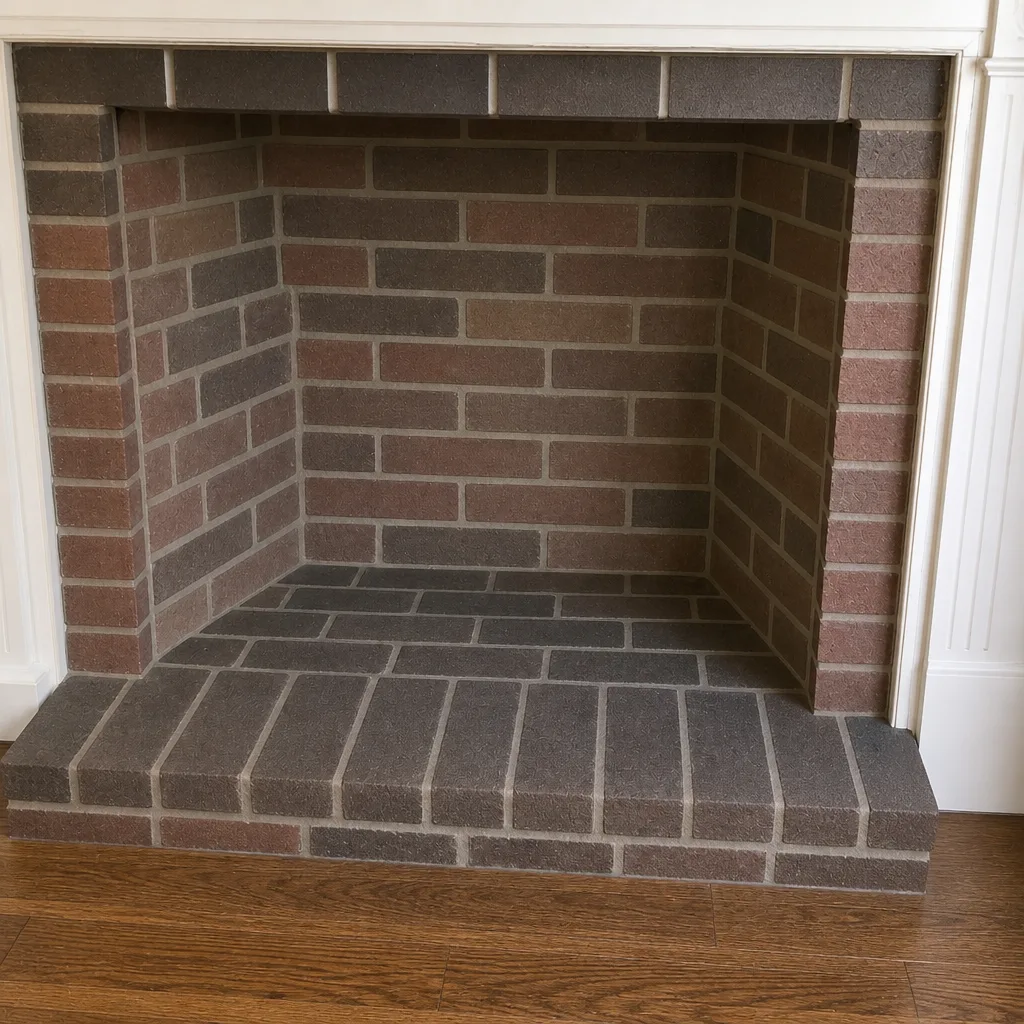
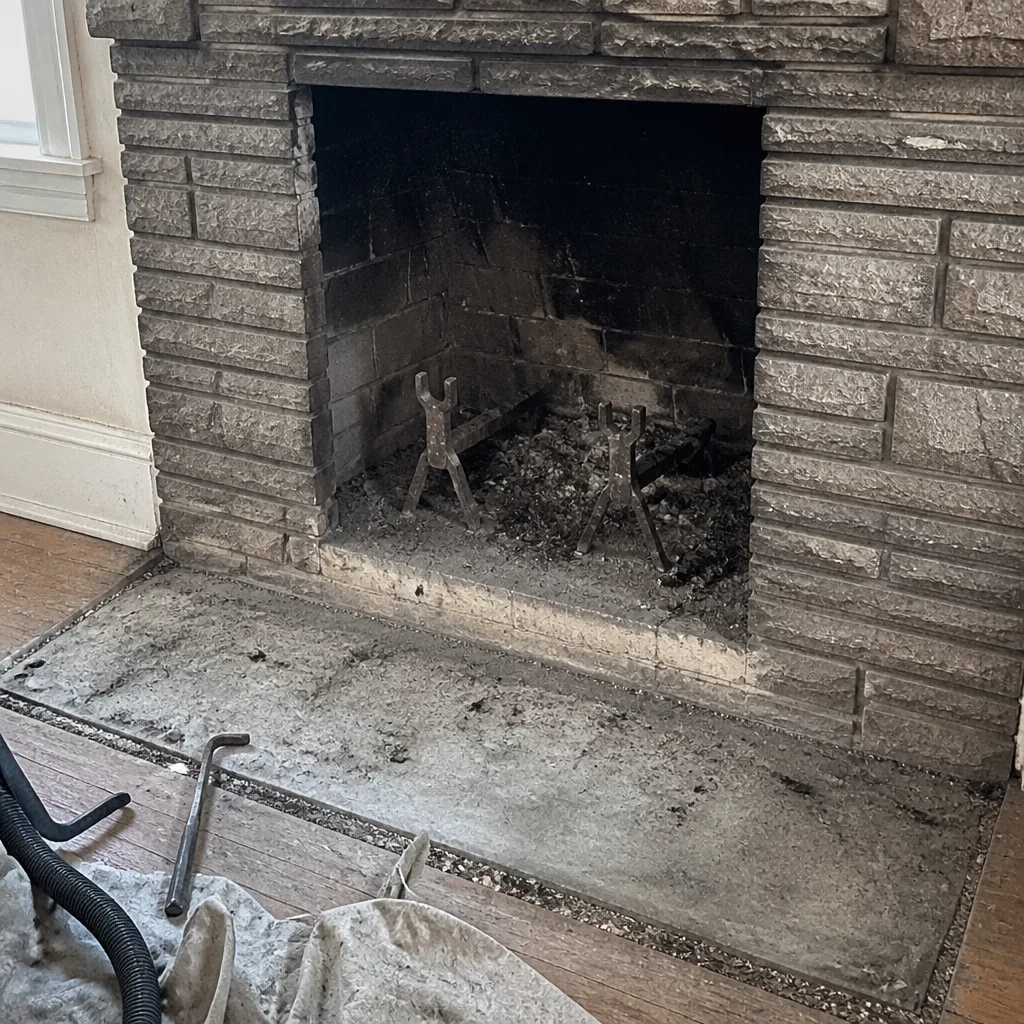
See the difference
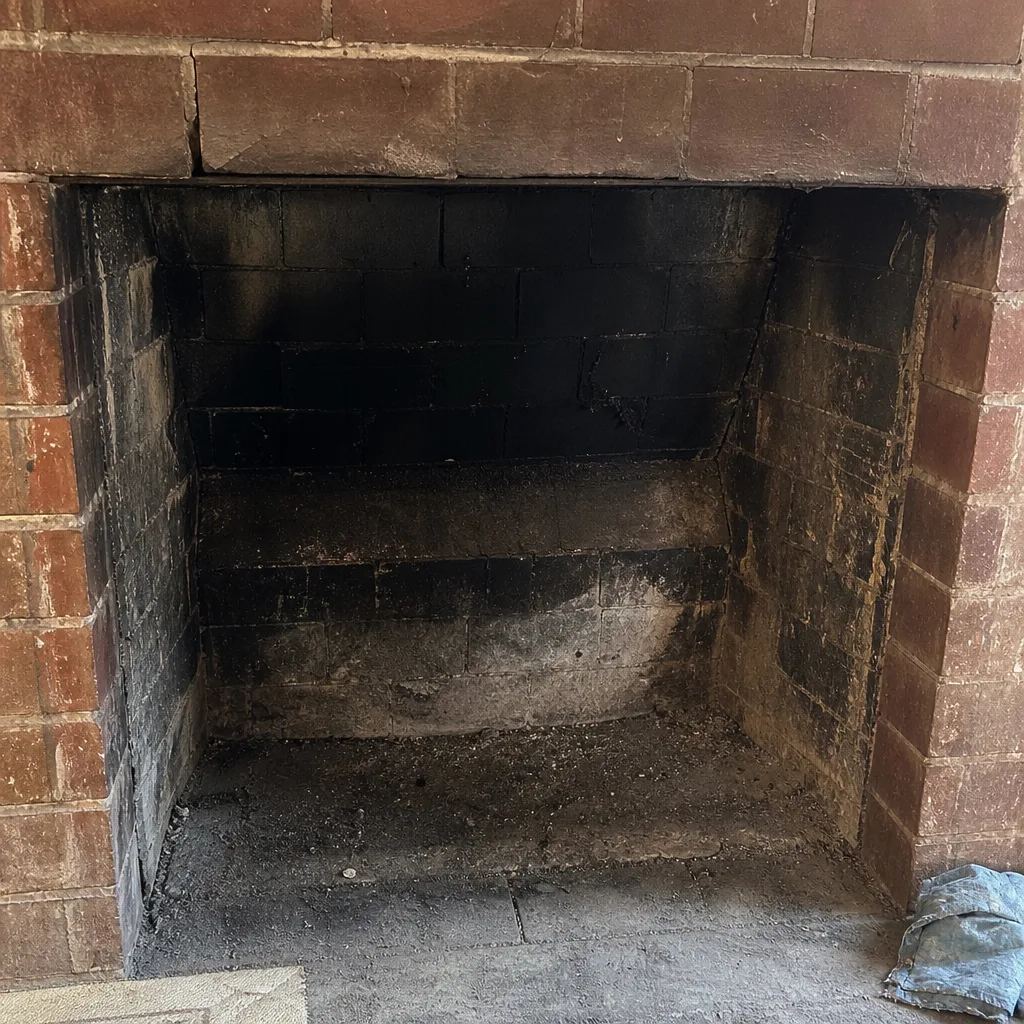 Before
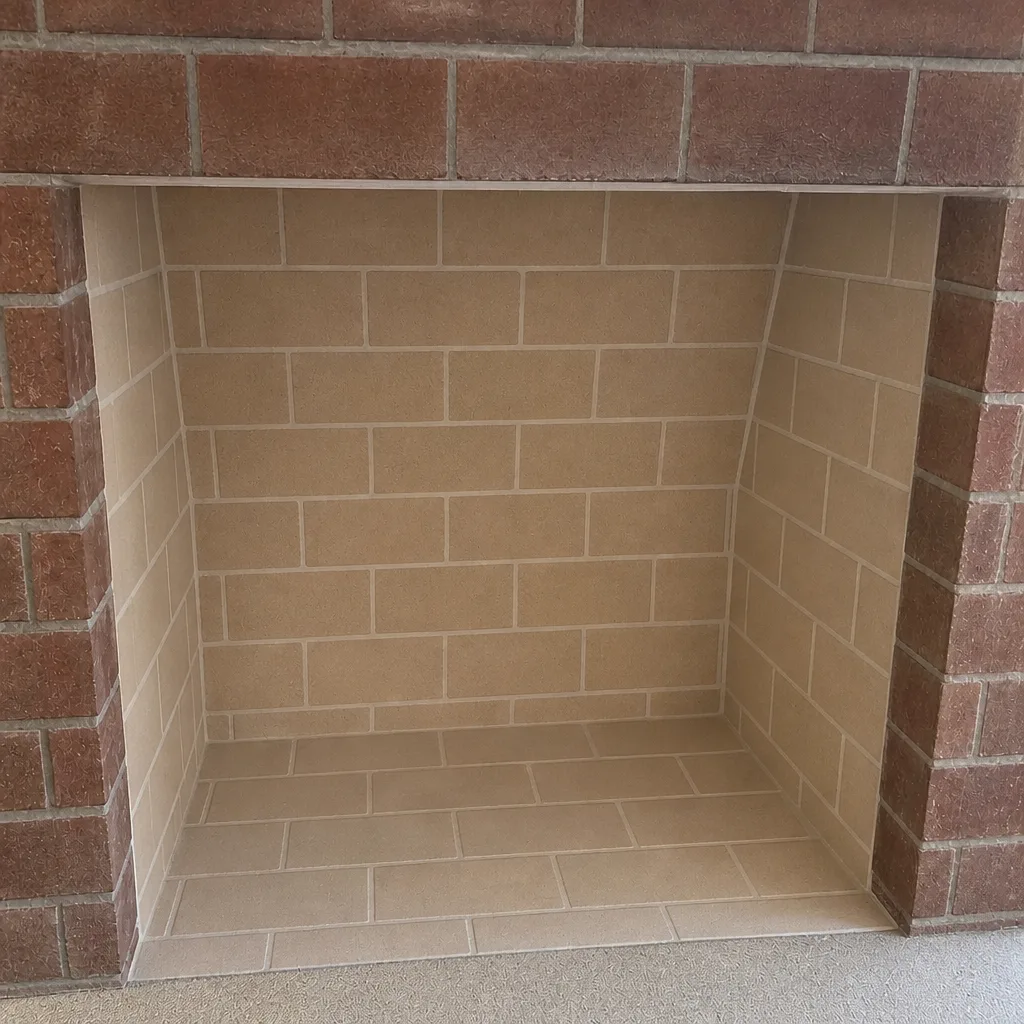 After
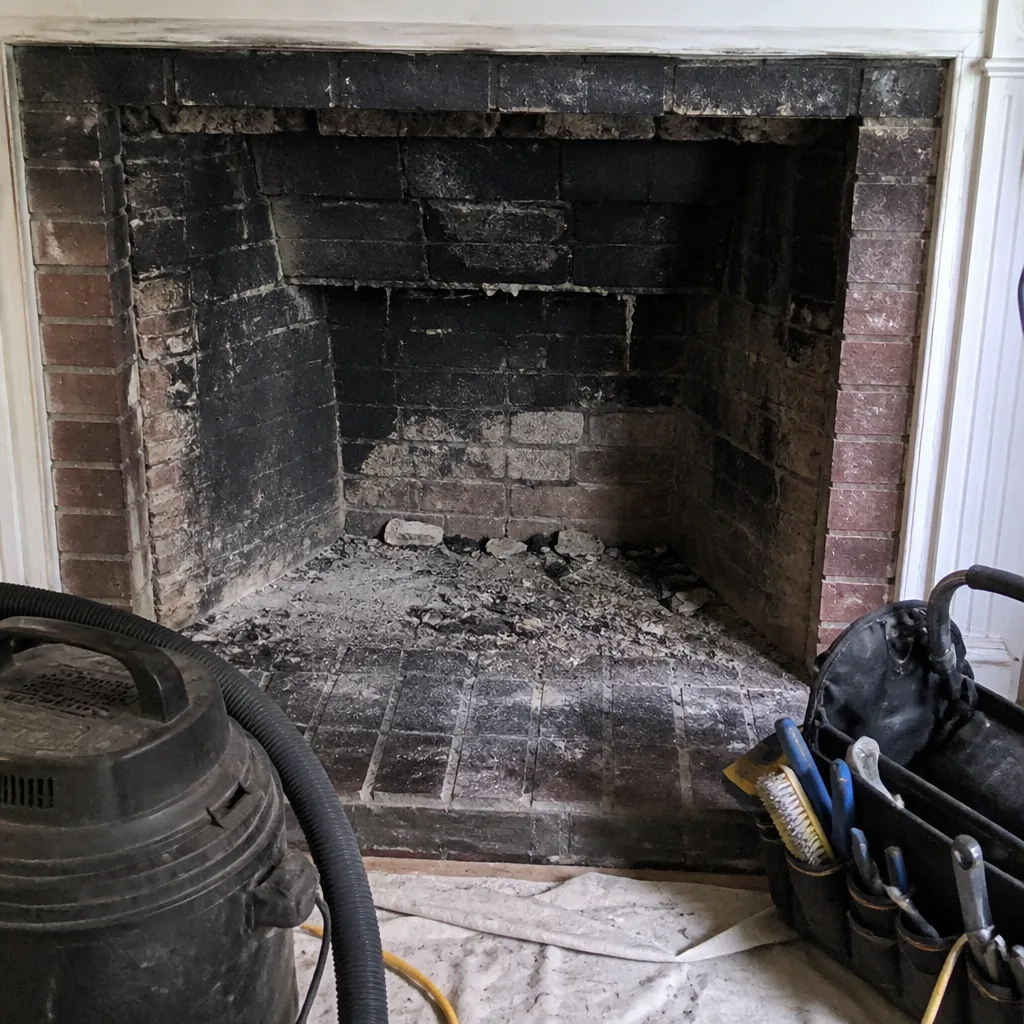 Before
 After
 Before
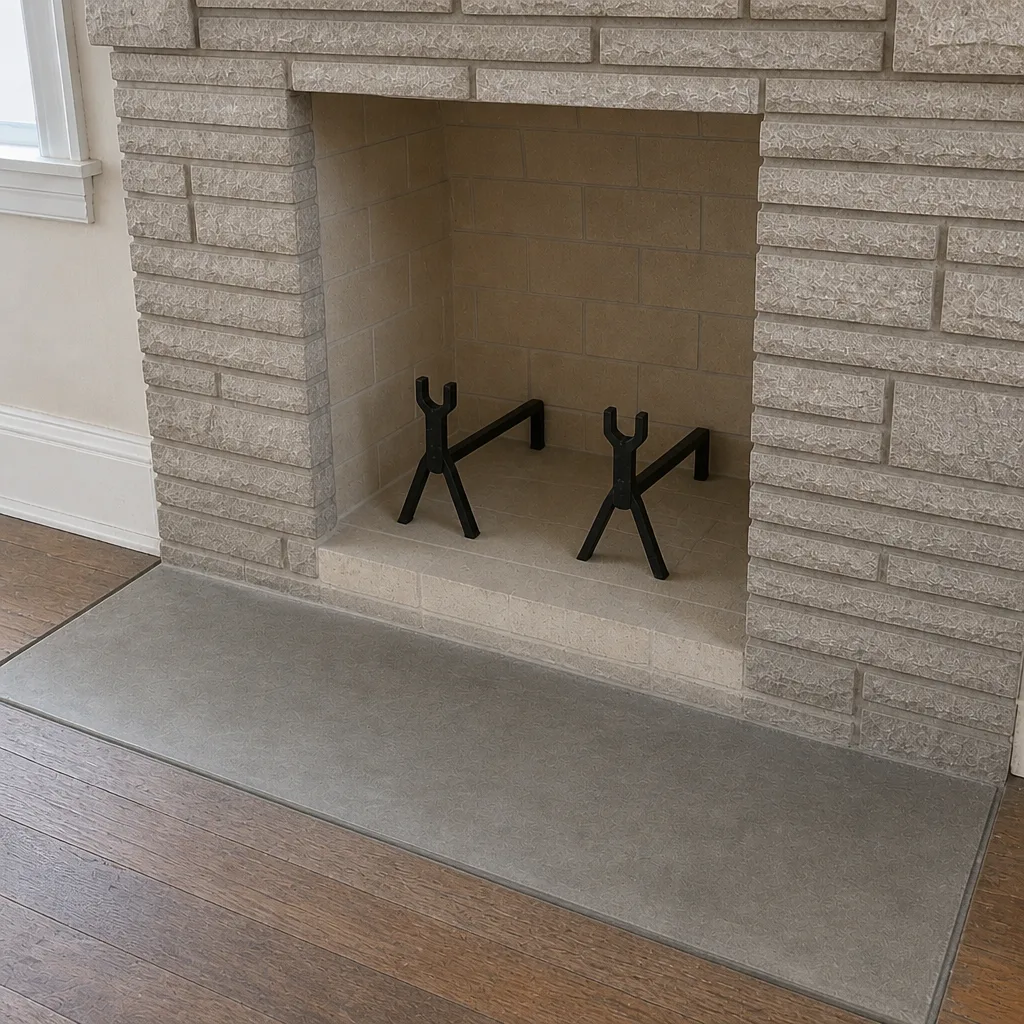 After
When to Call a Professional
Some situations call for a sweep, and some call for immediate attention from a trained professional. Call a specialist if you smell a strong, sharp odor coming from the fireplace even when it’s not in use; if smoke rolls back into the room rather than drawing up the flue; if you see cracked or crumbling masonry, a damaged crown, or a cap that’s come loose; if you’ve never had the chimney inspected and don’t know its history; or if you’re buying or selling a home in Rhawnhurst and need a Level 2 inspection documented. Also call if you hear animals in the flue or notice water staining on the ceiling near the chimney. A chimney fire or a carbon monoxide alarm means get everyone out and call emergency services first, then arrange an inspection before using the fireplace again. Chimney Sweep Rhawnhurst offers free estimates in Rhawnhurst, and the estimate is set per job in writing. Call (866) 861-1187. We answer 24/7. Fast dispatch from 7am to 7pm, Sunday through Friday, closed Saturday.
Frequently Asked Questions
Pennsylvania doesn’t license chimney sweeps at the state level, so there’s no state license to ask for. What you can and should verify is CSIA certification through the Chimney Safety Institute of America’s public directory, liability insurance, and a written scope of work. Those three checks do the job a license would. Call (866) 861-1187 for an exact quote, and estimates are free.
A routine chimney cleaning is quoted per job based on the flue, the appliance, and what the inspection turns up, so the written estimate is the only real number, and it sets the final price. Because the estimate is free, there’s no reason to book blind. Call (866) 861-1187 for an exact quote, and estimates are free.
Not necessarily, and that’s why the evidence matters. A liner should only be recommended when camera footage shows actual damage, and there’s often a repair path between a cleaning and a full replacement. HeatShield’s ceramic resurfacing system can repair a damaged liner and extend the chimney’s life without a full rebuild, which is exactly the kind of option a specialist evaluates. Ask to see the footage, and ask whether the work can safely wait. Call (866) 861-1187 for an exact quote, and estimates are free.
A handyman can remove soot, but chimney work is a narrow specialty with its own code requirements, and recognizing a cracked liner or a venting problem takes specific training. The lower price reflects a lower ceiling on what gets checked. For anything beyond a basic cleaning on a known-sound flue, use a specialist. Call (866) 861-1187 for an exact quote, and estimates are free.
Skipping a sweep means creosote deposits from wood burning are left to build up, and thicker, glazed creosote is both harder to remove and raises fire risk. Early soot is far easier and less expensive to handle than a neglected flue. A cleaning is a small cost compared with what a chimney fire or a failed liner involves. It’s also not the right move to assume you need major work: get the inspection, see the evidence, and decide from there. Call (866) 861-1187 for an exact quote, and estimates are free.
Confirm the CSIA certification against the public directory, confirm liability insurance with a certificate, ask what inspection level you’re getting, and make sure the scope and price are in writing before anyone begins. On the day, ask to see the camera footage of the flue. If any of that gets pushback, that’s your answer. Call (866) 861-1187 for an exact quote, and estimates are free.
The Bottom Line
Hiring a chimney contractor in Rhawnhurst comes down to a short list you can actually verify. Pennsylvania doesn’t license sweeps, so look up the CSIA certification yourself instead of trusting a badge on a website. Confirm insurance. Ask the booking questions and treat evasive answers as a decision. Insist on a written, itemized scope before anyone climbs on the roof, and ask to see the camera footage before you accept any repair recommendation. A specialist who has nothing to hide will walk you through all of it. From annual sweep to full liner rebuild, one call covers it all.
From the flue up, protecting your home starts with choosing the right person. For a free estimate in Rhawnhurst on a sweep, cap and crown work, a liner decision, or a repair, call Chimney Sweep Rhawnhurst at (866) 861-1187. We answer 24/7. Fast dispatch from 7am to 7pm, Sunday through Friday, closed Saturday. You can also start with our Chimney Sweep Rhawnhurst home page to see the full range of what we handle.
Written by the team at Chimney Sweep Rhawnhurst.