
Last updated November 22, 2026
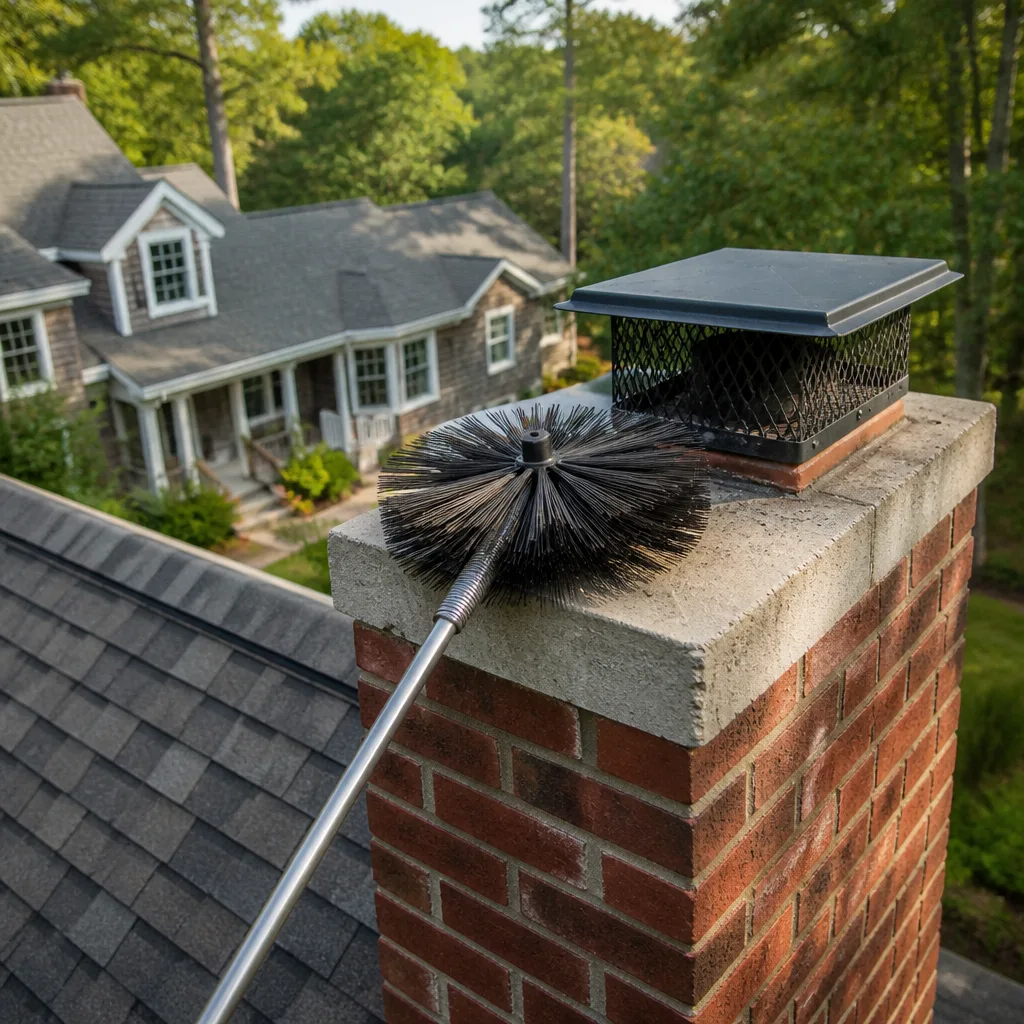 Sweep & inspection
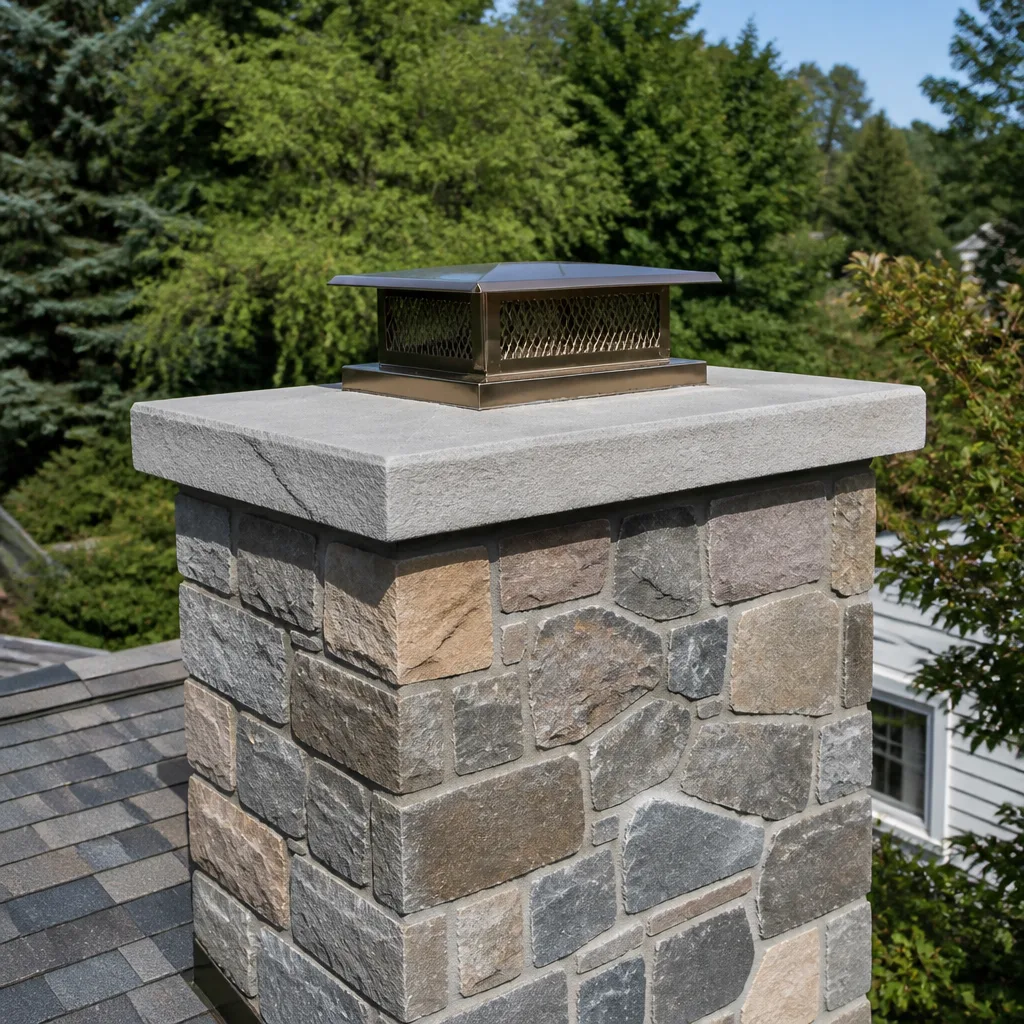 Caps & crowns
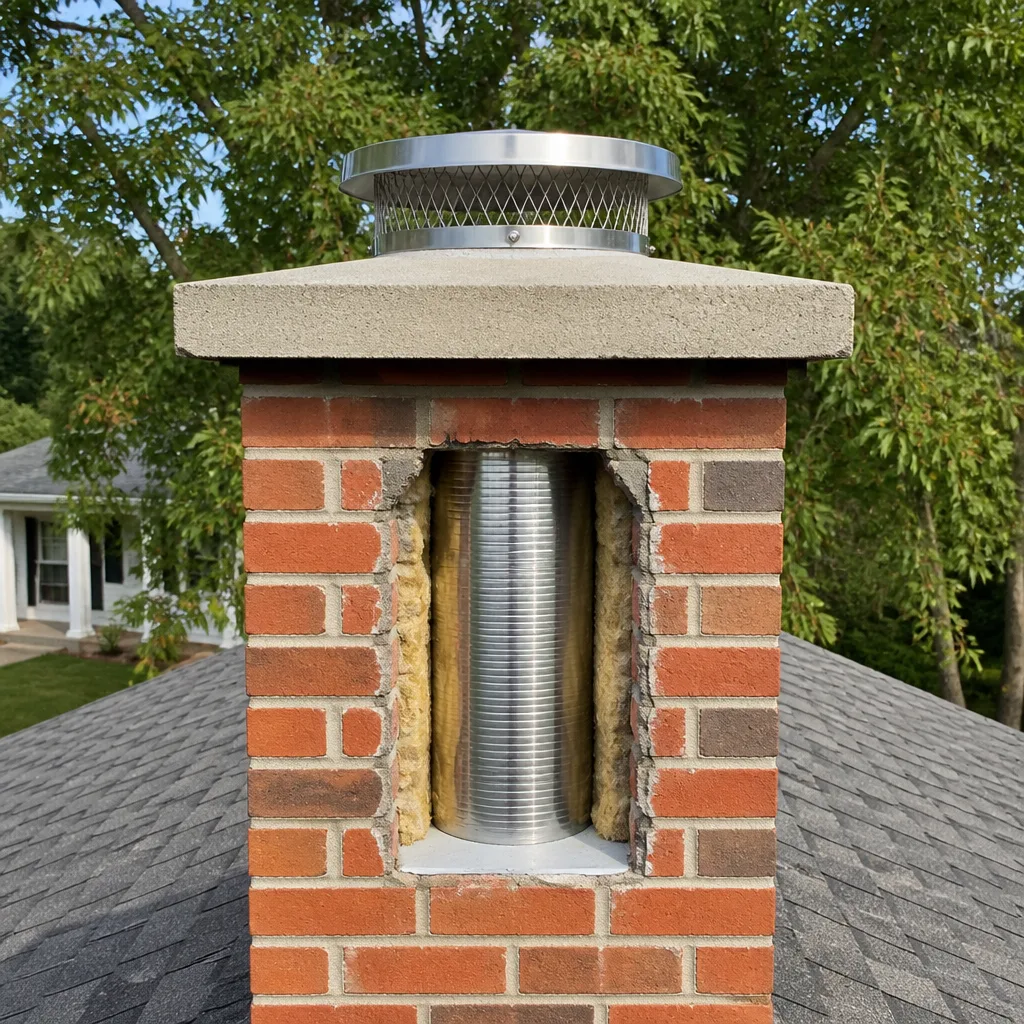 Flue relining
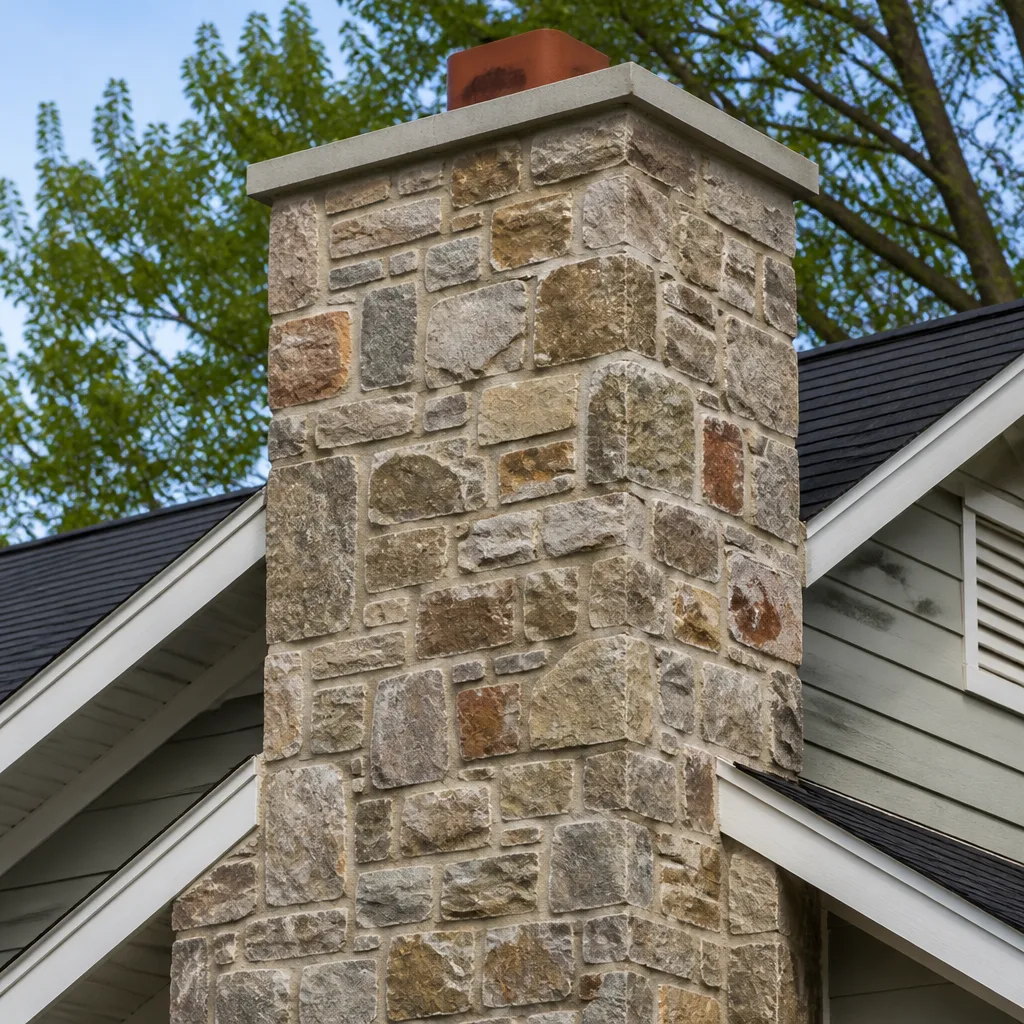 Masonry repair
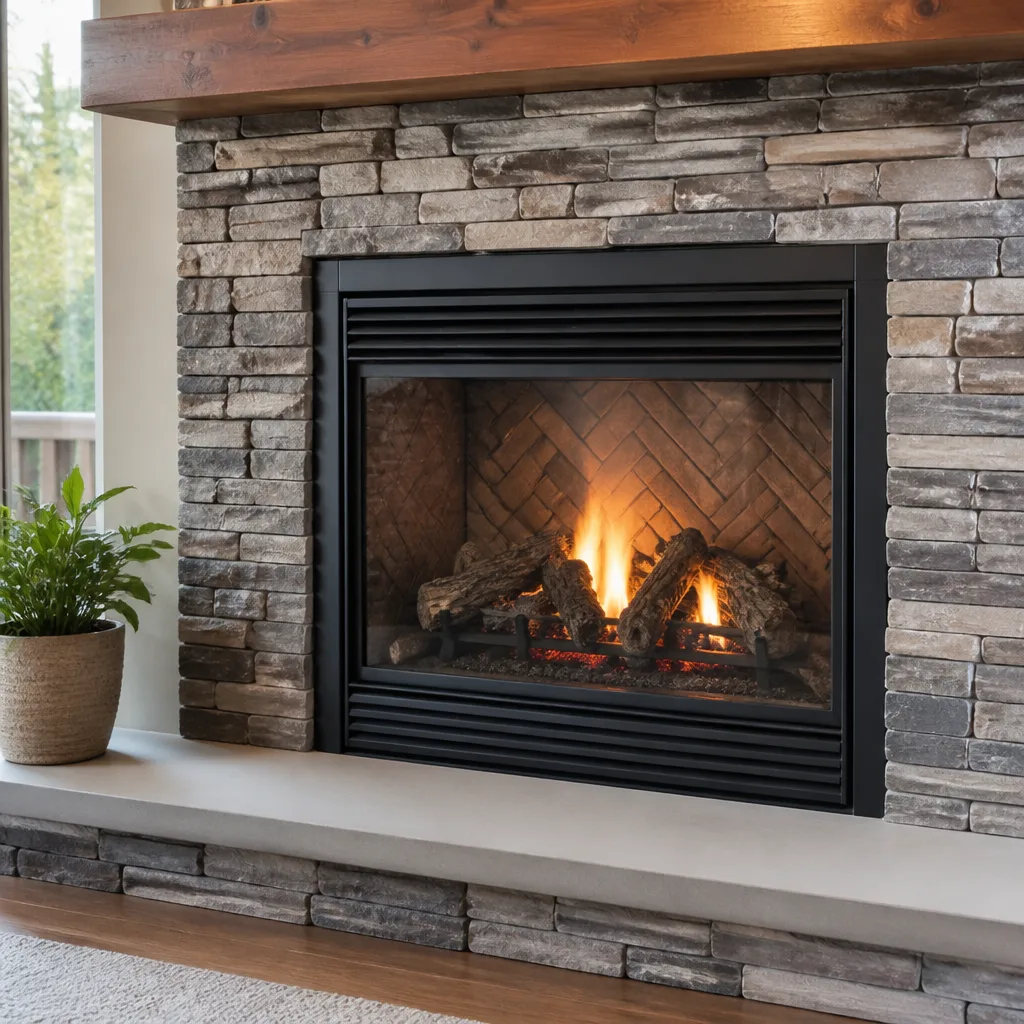 Gas fireplace service
Level 1 sweep and inspection to the NFPA 211 annual standard - flue, crown, cap, and flashing checked and photographed
Chimney sweep logs do not sweep chimneys. They loosen some creosote - which then falls where a brush and vacuum still have to collect it.
Chimney Cleaning Warning Signs: A Rhawnhurst Homeowner’s Reference Guide
A white stain on the outside of a chimney looks like a cosmetic issue. It’s actually called efflorescence, and it means water is moving through your masonry, dissolving salts as it goes. Left alone, it’s the first visible step toward a structural failure. Most of the chimney problems that end in expensive repairs start out as details a homeowner walks past for years – a hairline crack in the crown, a pop of brick face, a smoke smell that lingers when the fireplace is cold. This guide teaches Rhawnhurst homeowners to read those signs the same way a technician does: what each one means, how urgent it is, and when to stop burning entirely.
Quick Answer
The most common chimney cleaning warning signs in Rhawnhurst are white efflorescence stains on the exterior, spalling brick faces, crumbling mortar joints, cracks in the crown, a rusted cap, a smoke smell when the fireplace is off, black staining above the firebox, and draft problems like smoke backing into the room or fires that struggle to stay lit. Signs like these typically mean the flue needs a professional sweep and inspection. Warning signs like a liner crack, a blocked flue, or popping and cracking sounds during a fire mean stop using the fireplace until a technician inspects it.
Styles & brands we work with
- Sweep & inspection
- Caps & crowns
- Flue relining
- Masonry repair
- Gas fireplace service
Table of Contents
- What Your Chimney Is Telling You From Outside the House
- Warning Signs Inside the Firebox and Living Room
- Draft Warning Signs: Smoke, Slow Starts, and Fires That Die
- Sounds That Signal a Chimney Problem
- Sweep Soon vs. Stop Burning Immediately
- What a Professional Inspection Actually Checks
- Why These Signs Show Up in Rhawnhurst Chimneys
- Common Mistakes to Avoid
- When to Call a Professional
- Frequently Asked Questions
What Your Chimney Is Telling You From Outside the House
The exterior of a chimney takes the brunt of every season, and it shows problems long before the interior does. Rhawnhurst’s freeze-and-thaw winters are hard on masonry: water works into brick and mortar during wet weeks, freezes during cold snaps, expands, and slowly pries the surface apart. Walking around your house once a season with a flashlight and a critical eye is the cheapest inspection you’ll ever do.
Here’s what to look for, in order of urgency:
- Efflorescence. A white, chalky or powdery stain on brick or mortar. It’s the visible signature of moisture moving through the masonry, dissolving salts as it goes and leaving them on the surface as the water evaporates. A little efflorescence on a damp foundation wall can be benign. On a chimney it usually points to water getting in somewhere it shouldn’t – a failed crown, a missing cap, or compromised flashing at the roof line.
- Spalling brick. Brick faces that look pitted, flaky, or peeling away in thin layers, leaving a rougher brick underneath. Spalling is what happens when moisture gets inside brick and freezes repeatedly. Once a brick face pops, that masonry is no longer doing its full job.
- Crumbling or receding mortar joints. Run your eye down the joints between bricks. Healthy mortar sits flush and firm. Failing mortar is sandy, hollowed out, or falling in chunks. Deeply receded joints mean the chimney is losing structural cohesion, not just appearance.
- Cracks in the crown. The crown is the sloped concrete or masonry cap at the very top of the chimney, designed to shed water away from the flue. A hairline crack in a new crown can be minor. A crack that reaches from the flue opening to the outer edge is a direct channel for water to get into the chimney body. Most crowns eventually need resurfacing or replacement.
- A rusted or missing cap. A chimney cap is the metal hood over the flue opening. Rust through the cap, missing screws, or a cap sitting askew means rain and animals can get straight into the flue. A cap is inexpensive to replace and prevents a long list of problems downstream.
If you see more than one of these at once – say, efflorescence and a cracked crown – that’s a chimney telling you a singular problem is underway. The moisture has a path in, and the freeze-thaw cycle will widen it with every winter. This is the stage where a chimney repair is usually straightforward and contained, versus a full rebuild later.
Warning Signs Inside the Firebox and Living Room
Homeowners tend to focus on the outside of the chimney because it’s visible. But some of the earliest warnings show up inside, in the firebox and on the surround. These are the signs that most often get dismissed because they look like ordinary wear or a “smoky fireplace.”
Look for:
- A smoke smell when the fireplace isn’t in use. A wood-burning fireplace that hasn’t been lit for days should smell like nothing at all. A persistent smoky or creosote odor when the fireplace is cold is one of the most telling signs of a compromised flue liner or a damper that no longer seals. Smoke is traveling backward down the flue and into the living space. This is a chimney that needs to be inspected promptly.
- Black staining above the firebox opening. A soot smudge along the top edge of the fireplace surround means smoke has been escaping through the front rather than going up the flue. Sometimes that’s a draft problem in need of a top-sealing damper or a taller cap. Sometimes it’s the first visible sign that the flue has an obstruction or is undersized. Either way, it’s a signal worth a professional look.
- Excessive ash buildup. Some ash is normal. A firebox that fills up quickly, or ash that looks unusually gray and powdery, can mean the flue isn’t drawing properly and combustion is incomplete. Ash that gets deep enough to have piled up around the grate is also a firebox condition that reduces the fire’s draft. If your ash fills up faster than it used to, look at the flue first.
- A cracked or warped damper. The damper is the metal plate that seals off the flue when the fireplace is cold. A damper that hangs crooked, won’t fully close, or has visible cracks in the plate is letting heat out of the house all winter and letting moisture and animals in from the top. A damper that won’t open is a fire-hazard in reverse – it blocks the exhaust path.
- Glaze on the firebox walls. A shiny, tar-like coating on the interior brick is glazed creosote – the most flammable form of chimney soot, and the hardest to remove with a standard brush. Glazed creosote usually reflects a fire run too cool or too long between sweeps. It’s the reason a sweep is more than a cosmetic cleaning.
One of these signs, treated promptly, is a maintenance issue. Two or more together add up to a chimney that needs a sweep and a proper look before the next fire.
Draft Warning Signs: Smoke, Slow Starts, and Fires That Die
Draft is the chimney’s ability to pull air up and out. When draft is working, a fire lights easily, burns with a bright flame, and pulls smoke up without a second thought. When draft is struggling, the fire itself becomes the warning sign. Rhawnhurst homes are a mix of older masonry chimneys and retrofit installations, and the draft behavior tells you a lot about what’s happening inside the flue.
Smoke entering the room. Smoke that spills into the living space when you first light a fire – or that refuses to go up even after the chimney is warm – means air isn’t moving up the flue. The causes range from a blocked flue (soot, a bird nest, a collapsed liner section) to a chimney that’s too short for the house, or a negative-pressure problem in the home. A house that’s tight and has a strong kitchen exhaust fan running can pull air down the chimney instead of up it. The point is not to diagnose it yourself. The point is that smoke backing into a room is a chimney that needs professional attention now.
Slow-starting fires. A fire that takes longer than usual to catch, or that smolders before it burns, is a draft symptom. Common causes include a flue that’s partially obstructed, a firebox that’s undersized for the opening, or a missing cap that lets cold air pool in the flue. Sometimes it’s a cold-chimney problem that a pre-heat habit solves. If it happens consistently, though, it usually means something is restricting the exhaust path.
Fires that die quickly. A fire that goes out on its own, or burns down to a dull ember faster than expected, is often a sign of poor draft pulling heat away or insufficient oxygen reaching the fire. In the most serious case, this is a smoke-fire running in reverse – creosote builds fast in a slow-burning fire, which is one of the pathways to a chimney fire.
In our experience, draft problems are among the most commonly misdiagnosed chimney issues in Rhawnhurst. An occasional smoke puff on a cold start can be a cold-chimney problem. Consistent smoking, slow starts, or fires that repeatedly die tell a different story, and the safe move is an inspection.
Sounds That Signal a Chimney Problem
Sound is one of the most underrated warning signs. Fireplaces don’t normally make a lot of noise, and a homeowner can go years without hearing anything that seems out of place. But two sounds in particular are worth paying attention to.
Popping or cracking during a fire. Every fire makes some noise – wood popping, sap boiling, a log settling. But a persistent, rhythmic popping or a faint cracking sound that seems to come from the flue itself rather than the firebox is different. That sound is often thermal expansion: metal components heating and moving as they shouldn’t. In a chimney with a compromised or damaged liner, the liner can expand, crack, or tap against the surrounding masonry in response to heat. A liner doesn’t growl or smoke before it fails. In practice, popping and cracking is one of the last sounds before a serious liner failure, which is why it belongs on the stop-burning list rather than the sweep-soon list.
Animal sounds off-season. Birds, squirrels, and raccoons find uncapped chimneys an inviting hollow. A chirping, scratching, or flapping sound coming from the flue when the fireplace is cold is almost always an animal or a nest. The nest itself is combustible and blocks draft. Birdsong echoing down a cold chimney in the spring is a signal that you need a cap, a sweep, and possibly a small repair to the flue. It’s not a fire alarm, but it’s a job to book soon rather than later.
Whistling or howling. A drafty whistle during windy weather can mean a damper that no longer closes properly, a gap in the cap, or a crown that’s failing enough to let wind into the structure. Wind noise is a minor warning sign, but it’s a warning sign.
Sweep Soon vs. Stop Burning Immediately
This is the distinction most homeowners get wrong. Some chimney warnings are about scheduling a cleaning. Others are about stopping the fire today. They are not the same list, and treating a stop-burning sign as a “next month” problem is how chimneys turn into insurance claims.
Sweep soon – the chimney is functioning but needs maintenance.
- Efflorescence on the exterior
- Spalling brick faces
- Crumbling mortar joints
- Hairline or narrow crown cracks
- Rusted or missing cap
- A little black staining at the firebox opening
- Animal sounds in the flue in the off-season
- Ash filling up faster than usual
- One or two smoke puffs on a cold start
Stop burning – the chimney needs professional attention before the next fire.
- A persistent smoke smell in the living space when the fireplace is cold
- Smoke backing into the room consistently, not just on a cold start
- Popping or cracking sounds coming from the flue during a fire
- A liner that’s cracked, has visible gaps, or was noted as damaged
- Glazed creosote on the firebox walls or flue
- A damper that won’t open, or is stuck closed
- A fire that dies out on its own, repeatedly, with smoke in the room
- Brick or masonry falling into the firebox
The line between the two lists is: is anything obstructing the flue or threatening its structural integrity? If yes, it’s a stop-burning sign. If no, it’s a sweep-soon sign. When you’re not sure which list you’re looking at, treat the safer list as the right call and have the chimney inspected. Carbon monoxide risk from a blocked or damaged flue is real, and a working carbon monoxide detector on every floor is cheap insurance alongside a professional inspection.
What a Professional Inspection Actually Checks
An inspection is more than a sweep looking up the chimney with a flashlight. A proper inspection follows a checklist, and it’s one of the reasons we diagnose before we quote – the findings, not a guess, tell you what a chimney needs. Whether you schedule a chimney sweep or a full inspection depends on what the signs are telling you.
- Exterior walk-around. Brick faces, mortar joints, crown condition, flashing at the roof, and the cap.
- Firebox inspection. The firebox walls, the damper, the throat, and the smoke chamber.
- Flue interior. A camera inspection reveals creosote level, glazed creosote, cracks, gaps, and liner surface condition, plus any animal nests or debris.
- Liner assessment. Whether the liner is intact, correctly sized for the appliance, and appropriate for wood or gas.
- Draft test. Smoke, heat, or a pressure test to confirm the flue is actually pulling.
- Crown and cap check from the top. Condition of the crown surface, the cap fit, and the top of the liner.
A proper inspection ends with a written picture of what’s wrong and what’s not. That’s important because chimney repair is an area where a homeowner can be pushed into work they don’t need. The technicians at Chimney Sweep Rhawnhurst use professional-grade materials from a curated roster that includes Olympia Chimney, Famco, Copperfield, and DuraFlex. Those brands are specified by certified chimney professionals for a reason – their liner and component systems are engineered for the job. Using them means a repair or a rebuild is built to last, not patched by whatever happened to be on a truck. The same is true of HeatShield ceramic resurfacing, which lets us repair a compromised liner without full demolition in some cases.
Why These Signs Show Up in Rhawnhurst Chimneys
The warning signs in this guide are universal, but the way they show up is affected by how a chimney is built and how a home is heated. Rhawnhurst has a mix of older masonry chimneys on homes built decades ago and newer homes with retrofit liners and gas fireplaces. Both types share the same freeze-and-thaw winters, and both types are exposed to the same moisture cycles.
Masonry chimneys in Rhawnhurst tend to show efflorescence and spalling during and after wet winters. A brick that freezes with water inside it loses its face faster than a brick that stays dry. The same wet-then-freeze pattern that widens a crack in a driveway widens one in a mortar joint. That’s why a crown that looks intact in the summer can be a problem by spring, and why a cap that’s missing one screw can be all it takes to get water into the flue.
Homes with gas fireplaces tend to show different signals. Gas burns cleaner than wood, so creosote is less of a concern – but gas produces water vapor, and water vapor feeds efflorescence, rust on the cap, and crown deterioration. A gas fireplace that’s been used for years with no inspection is a chimney that deserves one, even if there’s no soot to speak of.
Houses in Rhawnhurst also tend to sit close to their neighbors, which means roof lines are tight and access for the homeowner is limited. Most of us can see one side of a chimney, not all four. That’s a case for an annual look from a technician rather than a self-check from the ground. Our technicians have up to 15 years of experience reading exactly these signs, and the diagnostic skill is built over that kind of time – not over a weekend.
Common Mistakes to Avoid
- Treating efflorescence as a cleaning problem. A white stain that keeps coming back after you scrub it isn’t dirt. It’s moisture, and scrubbing it only removes the symptom. Fix the water path before the masonry pays for it.
- Burning through the “stop” list. A smoky smell, a damaged liner, or glazed creosote doesn’t get better with use. Burning through these warnings is how you discover the problem the night it matters.
- Skipping the cap because it “looks fine” from the ground. A cap at the top of a chimney is the one component that keeps water, birds, squirrels, and downdrafts out of the entire flue system. Rhawnhurst trees and wildlife make an unprotected flue an easy target.
- Calling a general handyman for a chimney problem. Chimney work is a trade with its own codes, materials, and tools. Most handymen can stack brick or hang drywall but won’t have the skill or the liners to do a proper flue repair. Chimney work is all we do, so we do it right.
- Assuming a gas fireplace doesn’t need attention. Gas fireplaces need less creosote removal but still need the flue, cap, and crown inspected. Water vapor and animal intrusion are real problems regardless of fuel type.
- Ignoring a single loud noise once. A pop or crack that happens once might be expansion from a cold start. A pop or crack that happens twice should be flagged. Repeated thermal sounds during a fire are on the stop list.
- Waiting until the fall rush. Chimney scheduling in Rhawnhurst fills up when the weather turns. Booking a sweep before the burning season skips the wait and gives you time to plan any repair the inspection turns up.
When to Call a Professional
Call a chimney professional when you see any sign on the stop-burning list, when two or more sweep-soon signs are present at once, or when the chimney hasn’t been inspected in a while and you’re not sure what you’re looking at. Call if you smell smoke when the fireplace is cold, if smoke backs into the room, if you hear popping or cracking during a fire, or if animal sounds have come from the flue. Call if a cap is rusted through, a crown is cracked, or brick faces are spalling. It’s the sign of a chimney that’s asking for attention before it becomes urgent.
Chimney Sweep Rhawnhurst offers free estimates in Rhawnhurst – call (866) 861-1187. We answer 24/7. Fast dispatch from 7am to 7pm, Sunday through Friday. Every Chimney Sweep Rhawnhurst visit starts with a diagnosis and a camera inspection, so the recommendations you get are based on what’s actually in the flue, not a guess. From an annual sweep to a full chimney cap & crown replacement or a structural rebuild, one call covers it.
Frequently Asked Questions
The earliest warning signs are usually visible from outside: white efflorescence stains, spalling brick faces, crumbling mortar joints, or a hairline crack in the crown. Inside, a persistent smoke smell when the fireplace is cold or black staining above the firebox are the earliest indoor signs. Any one of these is enough to schedule a sweep and inspection. Call (866) 861-1187 for an exact quote – estimates are free.
Watch for the combination of signs: exterior water staining, draft problems when lighting a fire, or unusual sounds during a fire. Rhawnhurst’s freeze-and-thaw winters make efflorescence and spalling especially common on brick chimneys, so a walk-around once a season catches most problems early. If you see more than one sign at once, book an inspection. Call (866) 861-1187 – we answer 24/7.
Yes. A cold fireplace should not smell like smoke. A smoky smell in the living space with the fireplace off means smoke is coming back down the flue, which usually points to a compromised liner, a damper that no longer seals, or a blocked flue. That’s a stop-burning sign. Have it inspected before you light another fire. Call (866) 861-1187.
A wood-burning chimney generally should be swept once a year, or more often if you burn a lot of wood. Gas fireplaces need less frequent cleaning but still need an annual inspection of the flue, cap, and crown. The warning signs in this guide are your cue to schedule a sweep sooner if they show up between annual visits. Call (866) 861-1187 for an exact quote – estimates are free.
Efflorescence is white salt staining left on masonry by water moving through the brick and mortar. It means moisture is getting into the chimney from somewhere – a cracked crown, a failed cap, compromised flashing, or a missing cap – and it will only get worse until the water path is fixed. It’s not a cleaning job. It’s a repair. Our team can diagnose the source. Call (866) 861-1187.
No. Paint doesn’t stop a brick from spalling and can actually trap moisture inside the masonry, making the problem worse. Spalling brick faces mean the brick itself is failing beneath the surface. The repair options range from repointing the mortar and resurfacing the crown to rebuilding the affected section, and an inspection will tell you which one fits. Call (866) 861-1187 to have it looked at.
The Bottom Line
Chimney problems almost never announce themselves dramatically. They show up as small details – efflorescence, a pitted brick face, a crown crack, a smoke smell when the fireplace is cold, a pop from the flue during a fire. The homeowners who avoid expensive chimney repairs are the ones who treat those details as information rather than annoyance. Read the outside signs every season. Read the inside signs every time you light a fire. Know the difference between the sweep-soon list and the stop-burning list, and act on the second list immediately.
When you’re not sure which list you’re looking at, call us. Chimney Sweep Rhawnhurst handles everything from a routine sweep to a full liner rebuild, and our technicians have up to 15 years of experience reading exactly these signs. Call (866) 861-1187 for a free estimate. We answer 24/7. Fast dispatch from 7am to 7pm, Sunday through Friday.
Written by the team at Chimney Sweep Rhawnhurst.
See the difference
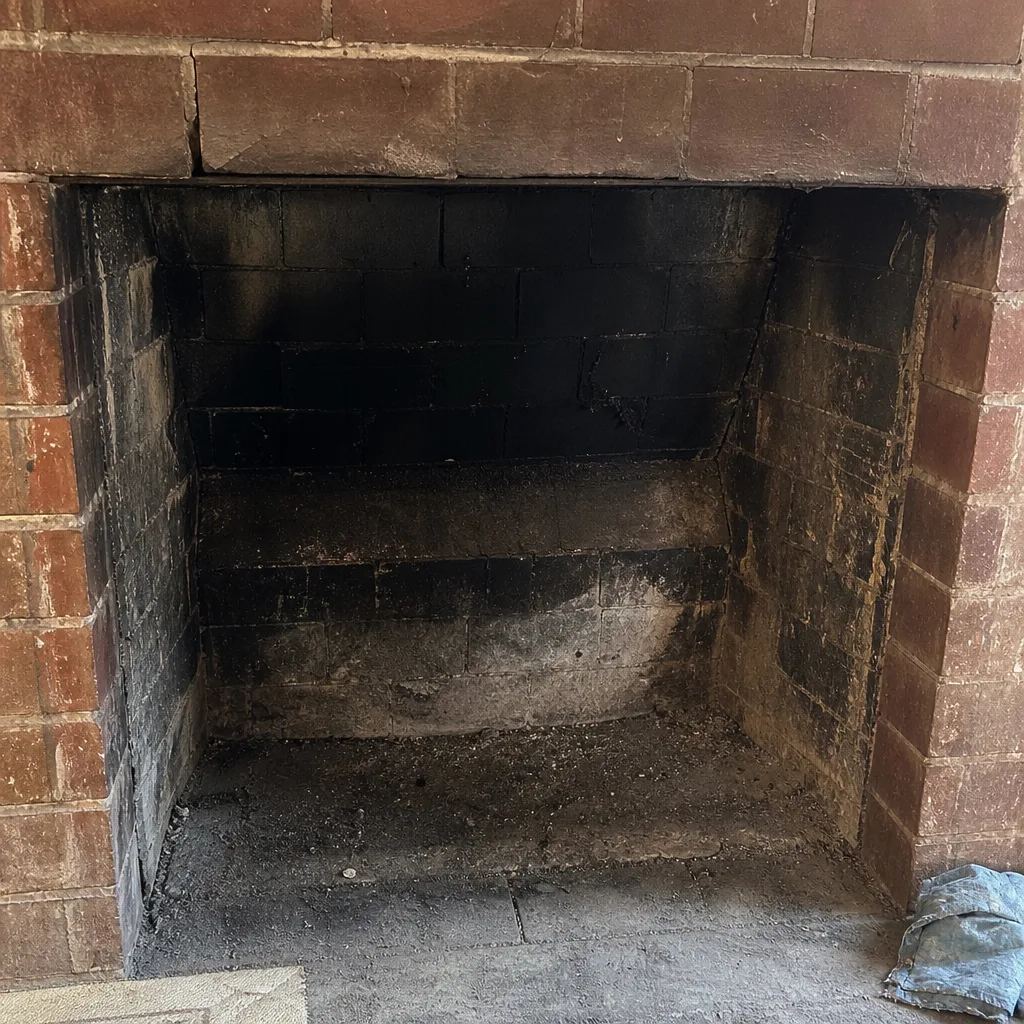 Before
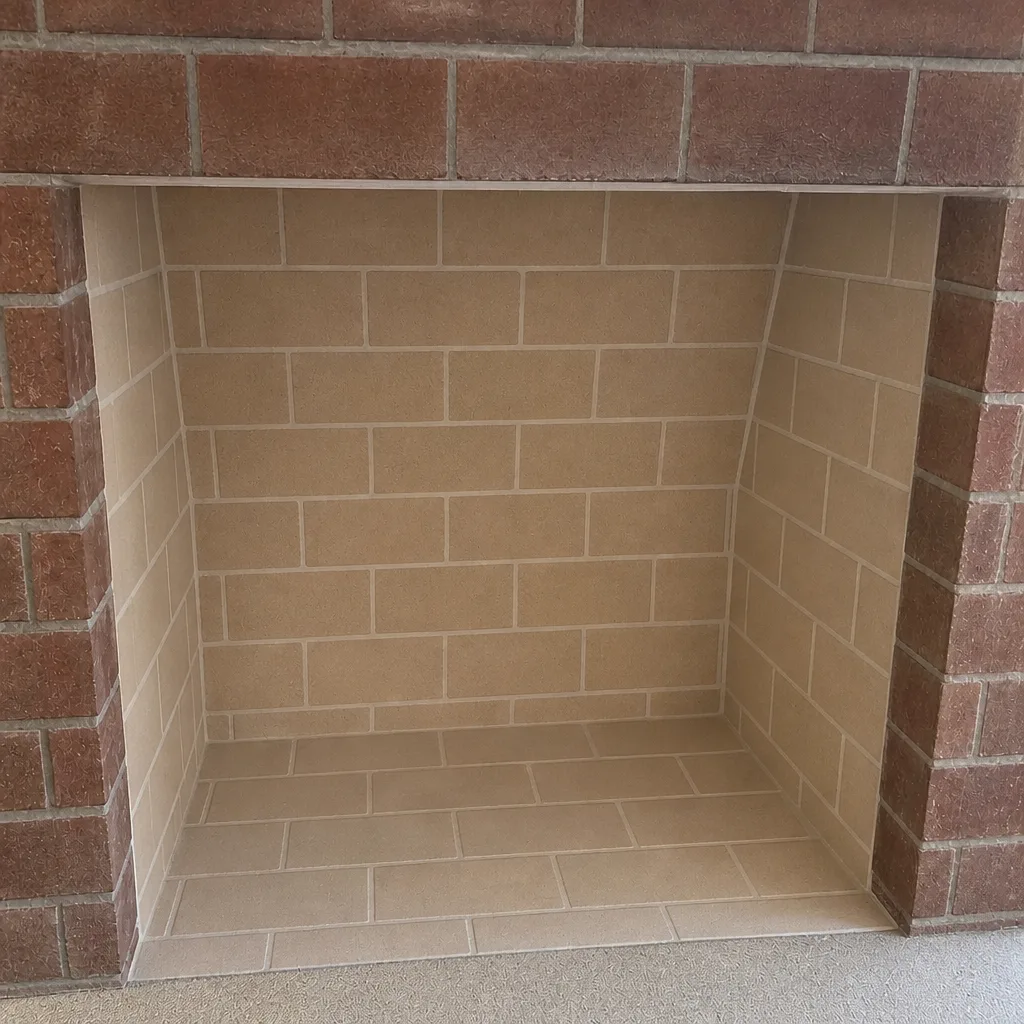 After
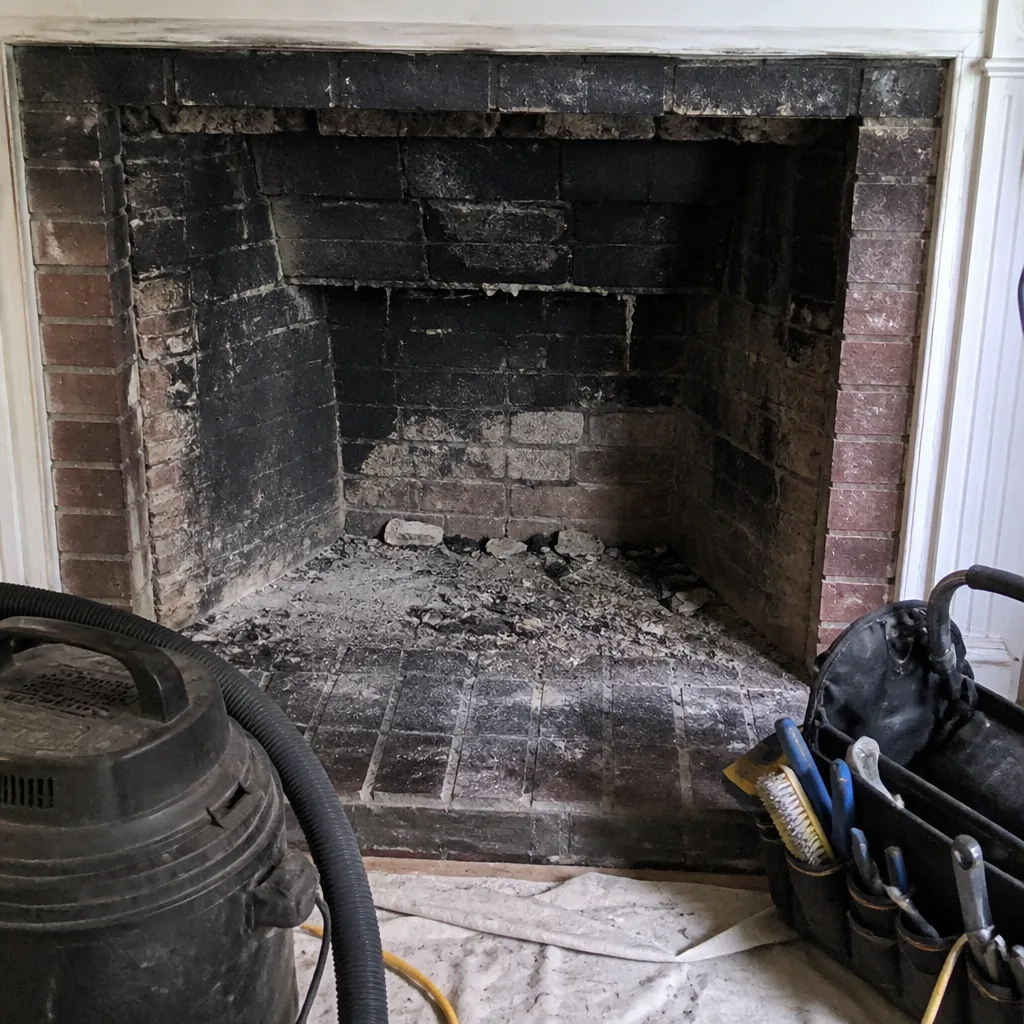 Before
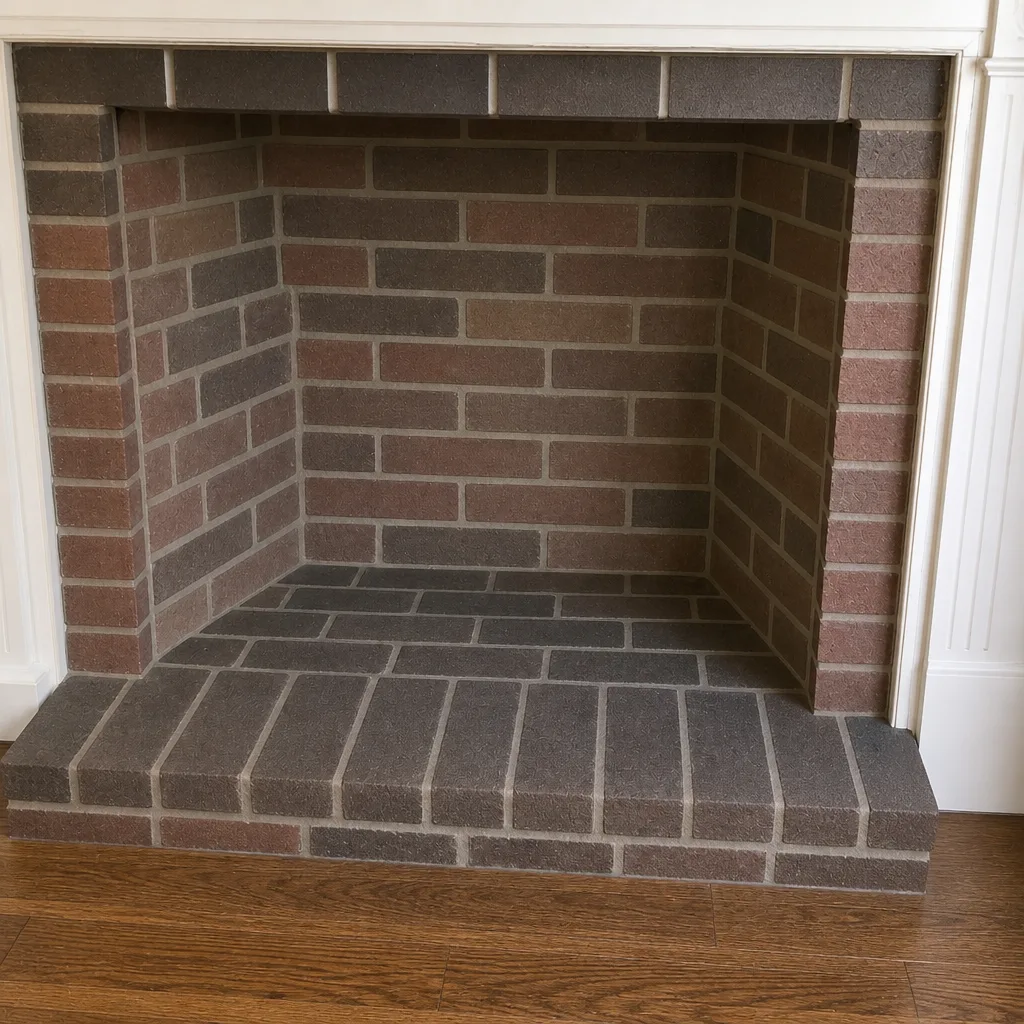 After
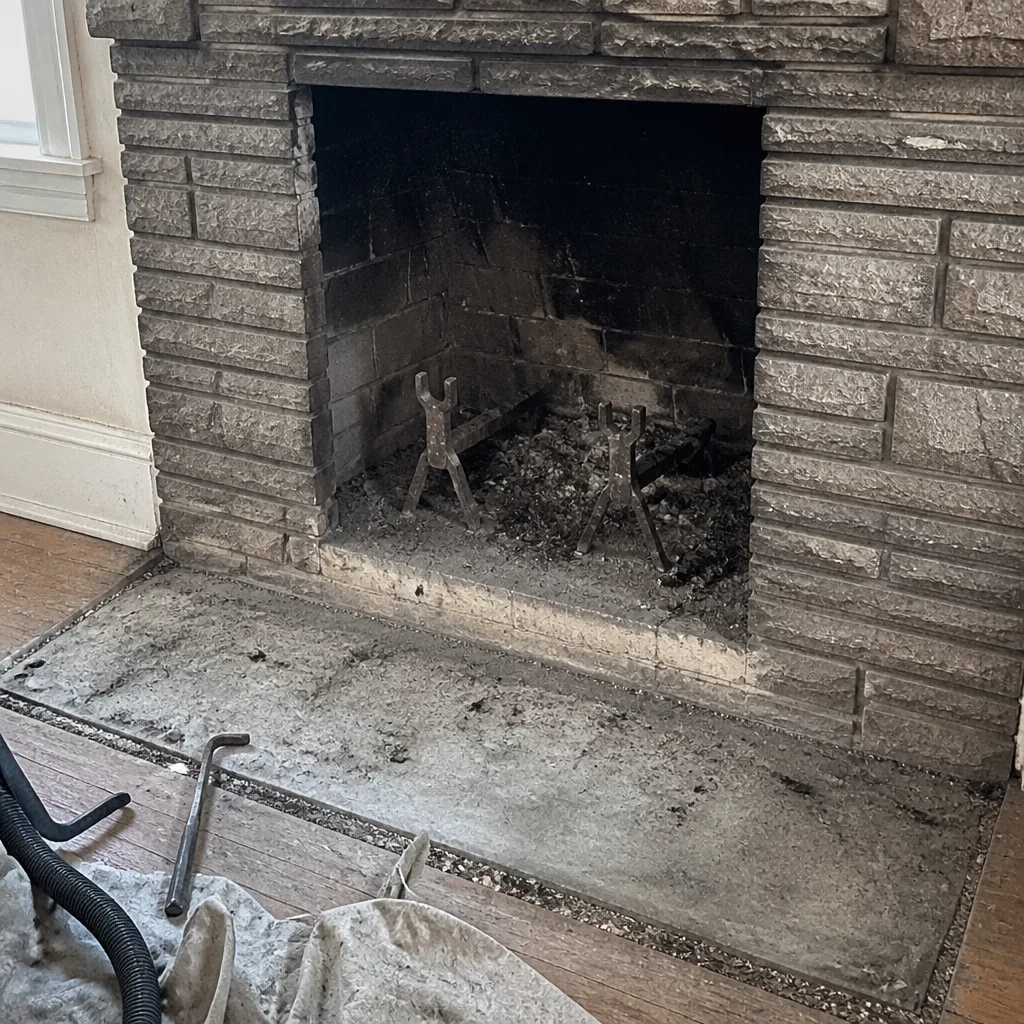 Before
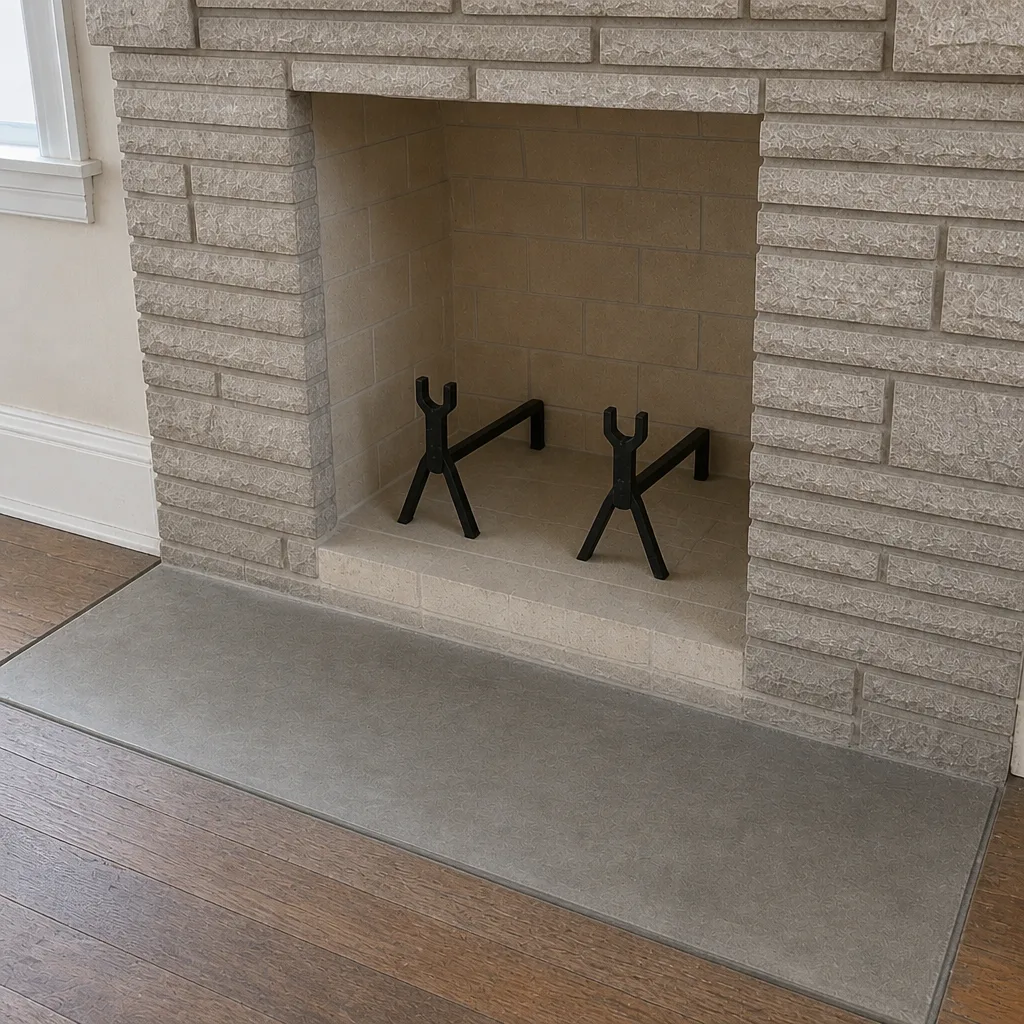 After