
Last updated November 22, 2026
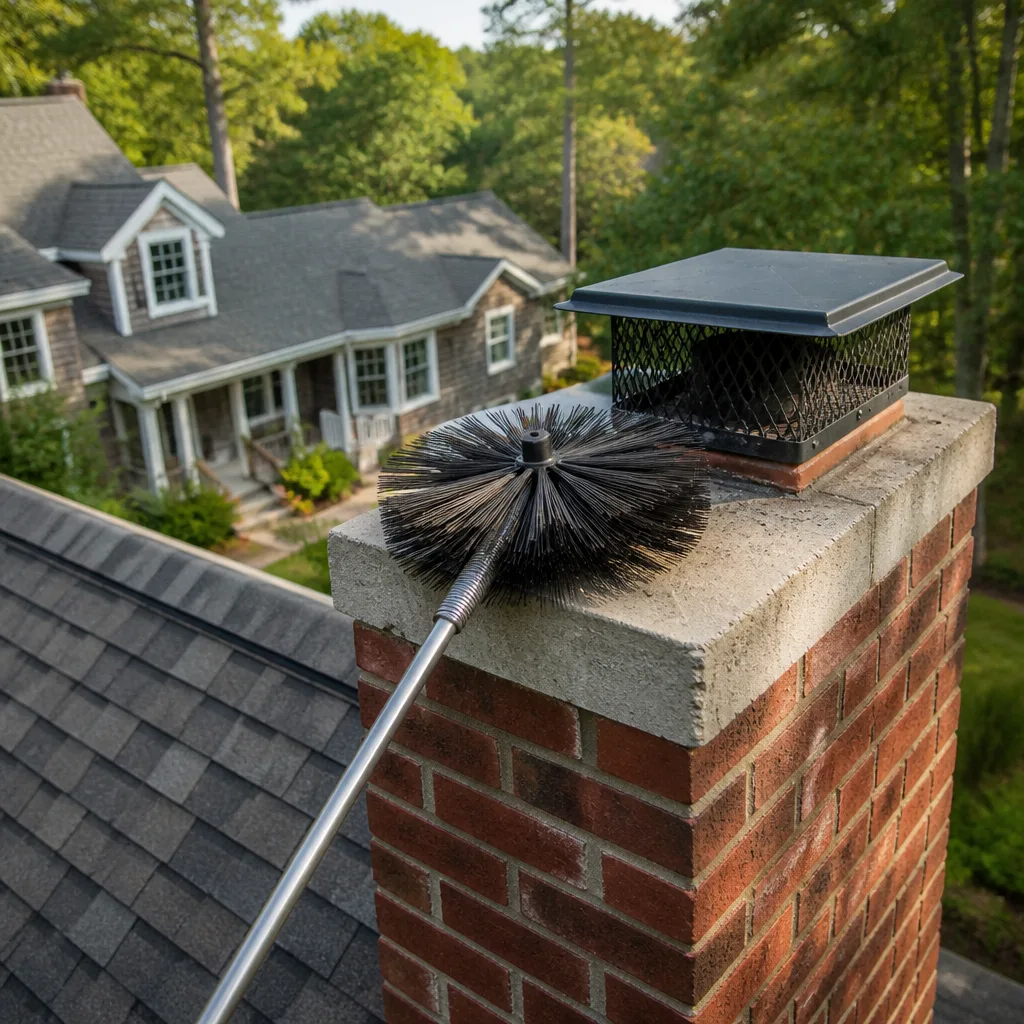 Sweep & inspection
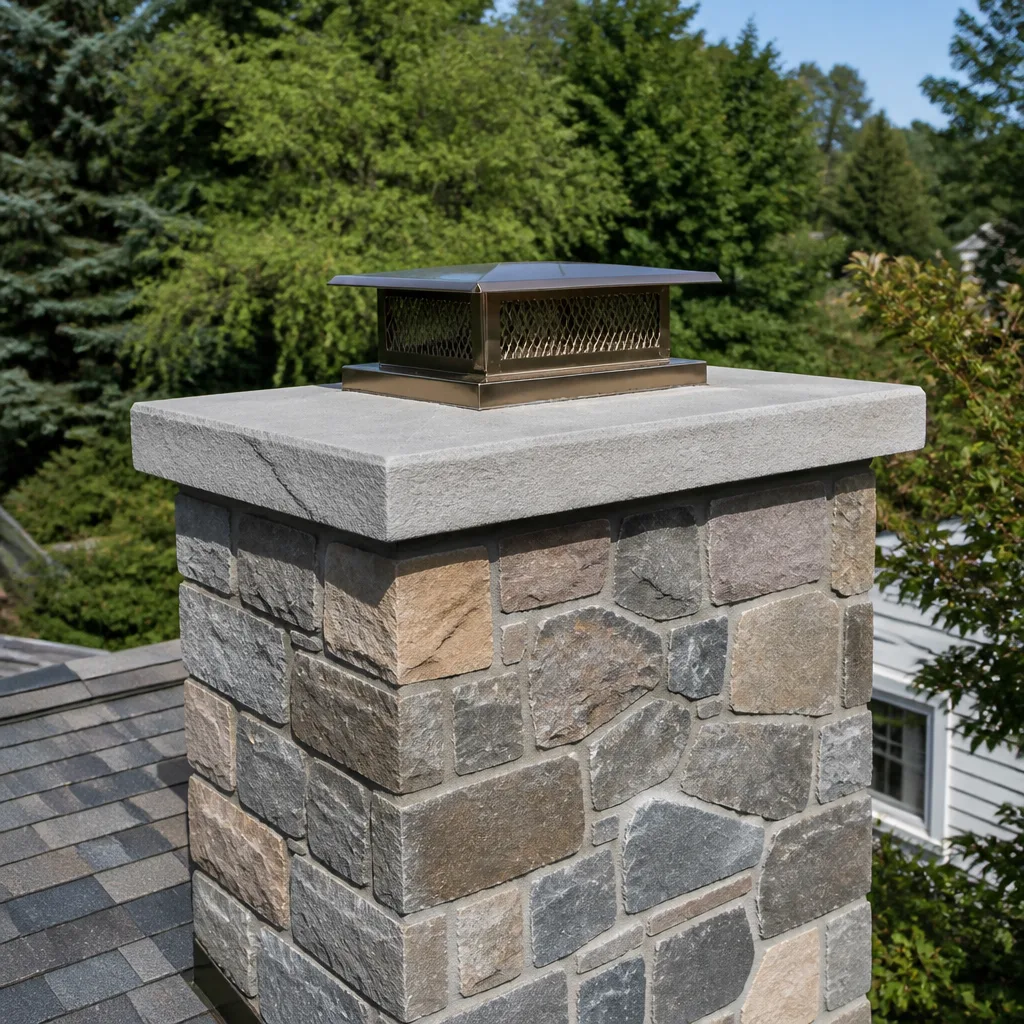 Caps & crowns
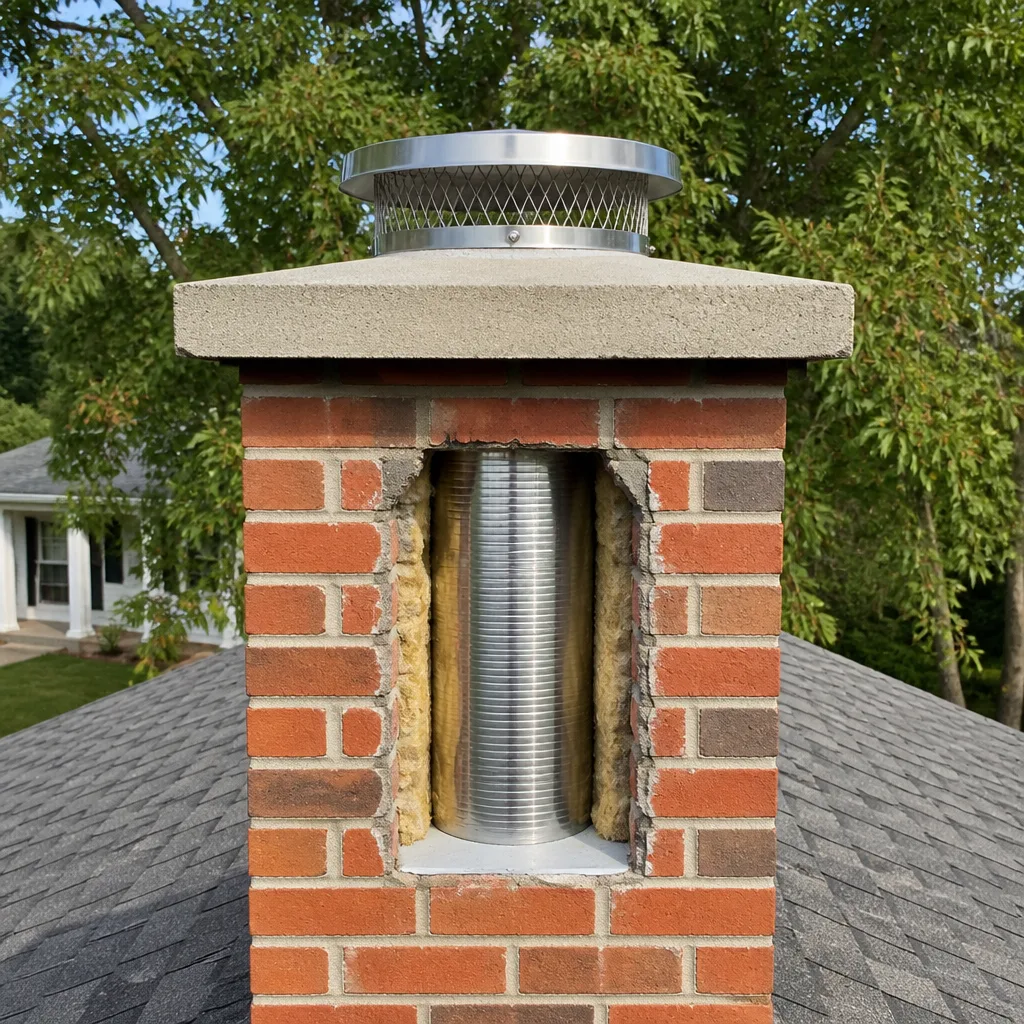 Flue relining
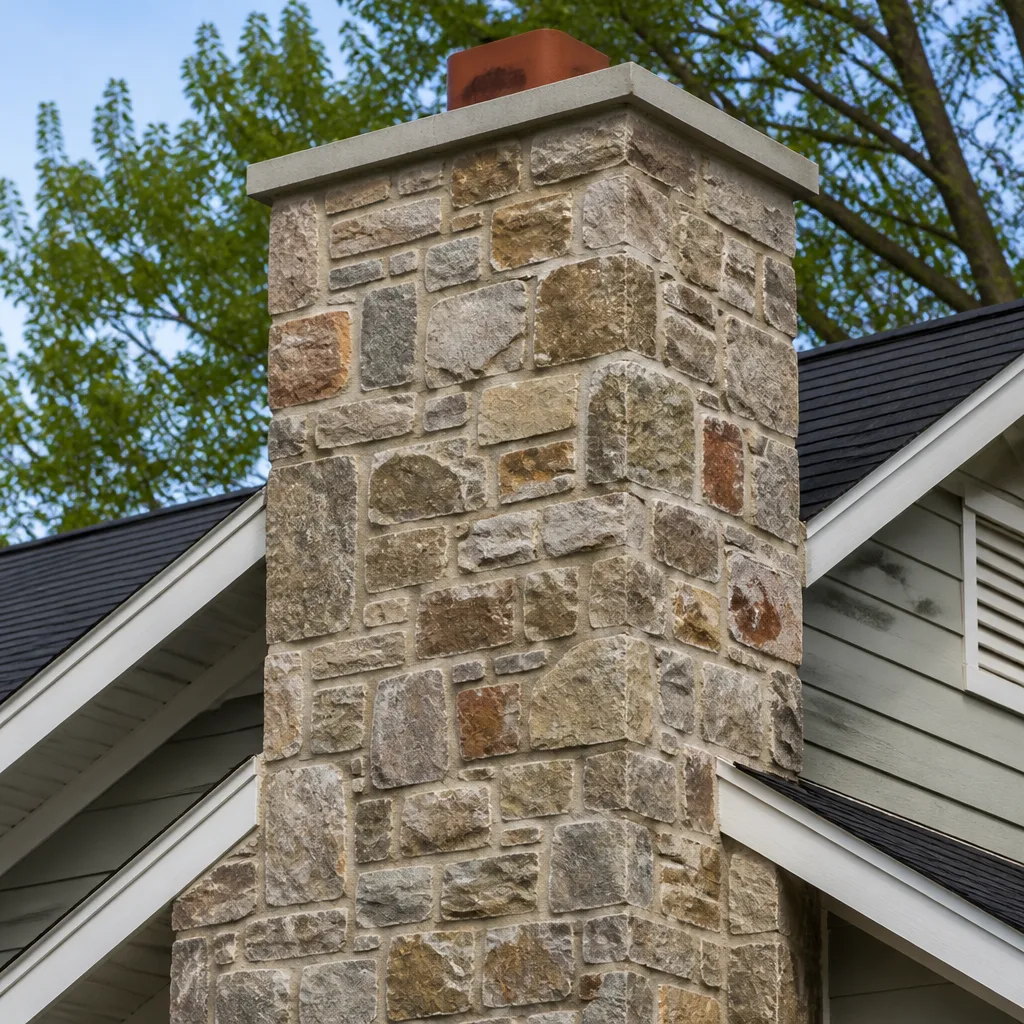 Masonry repair
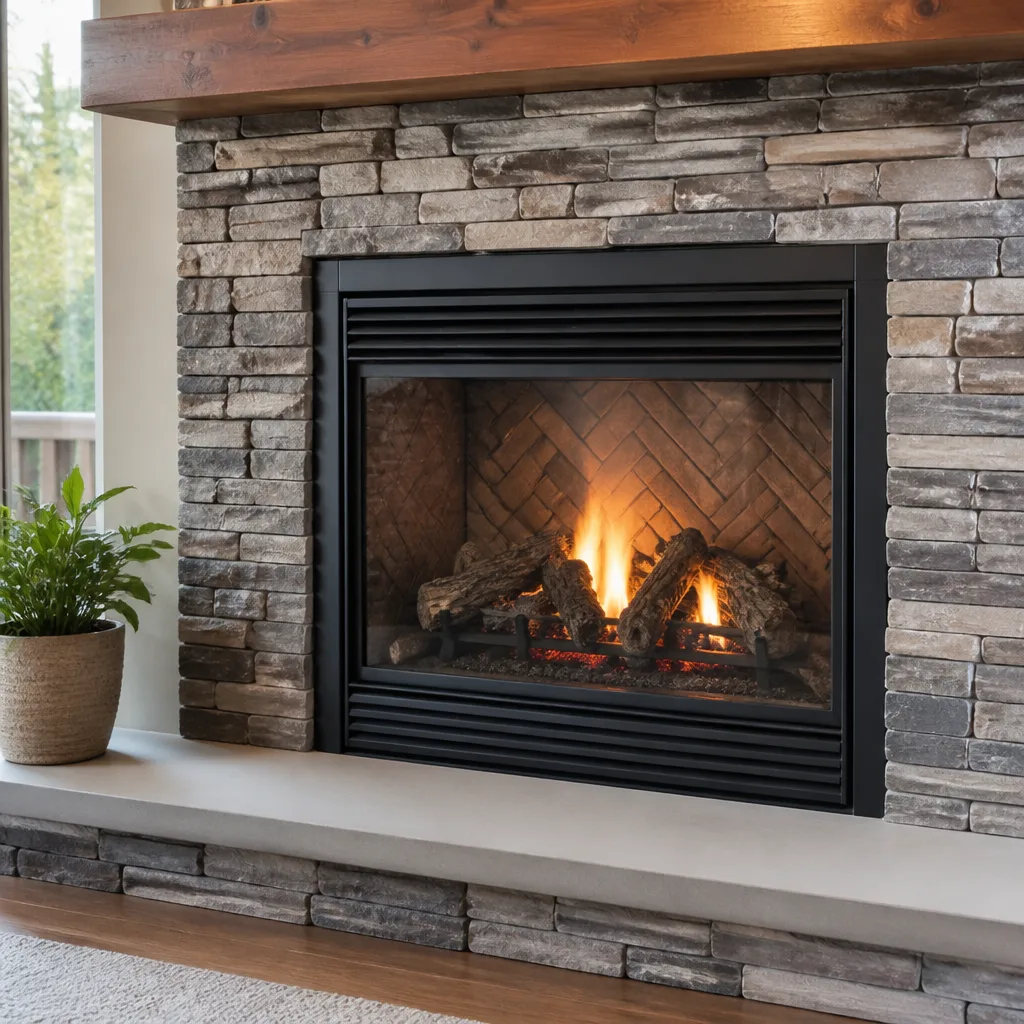 Gas fireplace service
Level 1 sweep and inspection to the NFPA 211 annual standard - flue, crown, cap, and flashing checked and photographed
Chimney sweep logs do not sweep chimneys. They loosen some creosote - which then falls where a brush and vacuum still have to collect it.
The Complete Guide to Chimney Cleaning in Rhawnhurst
Most homeowners in Rhawnhurst treat a chimney cleaning like an oil change: once a year, same time, done. That’s a habit, not a maintenance plan. The real cleaning cycle depends on what you burn, how the chimney is built, and what shape the liner is in, none of which the calendar knows anything about. A gas fireplace chimney needs a different look than a wood-burning one in a 1950s twin down the street. And a sweep that stops at the flue opening can miss the parts where trouble actually starts. This guide walks through what a genuinely thorough cleaning involves, from firebox to crown, so you know what you’re paying for and what to ask about next time someone is on your roof.
Quick Answer
A proper chimney cleaning in Rhawnhurst means more than brushing the flue. It combines a full sweep of the firebox, damper, smoke chamber, and flue with a Level 1 inspection of the visible exterior and interior components, and it should be scheduled based on fuel type and liner condition rather than the calendar. If you burn wood regularly, that usually means an annual cleaning and inspection. Gas fireplace chimneys still need an annual check even though they produce no wood ash.
Styles & brands we work with
- Sweep & inspection
- Caps & crowns
- Flue relining
- Masonry repair
- Gas fireplace service
Table of Contents
- What a real chimney cleaning involves, start to finish
- Level 1 inspection vs. a basic sweep: what gets skipped
- How creosote forms in three stages and why Stage 3 needs more than a brush
- The anatomy of a Rhawnhurst chimney and what gets checked at each point
- Why gas fireplace chimneys still need annual cleaning
- What professional equipment finds that a broom and mirror miss
- How often should a Rhawnhurst chimney actually be cleaned?
- What chimney cleaning costs and what the estimate should cover
- Common mistakes to avoid
- When to call a professional
What a real chimney cleaning involves, start to finish
A real chimney cleaning follows a sequence, and the sequence matters. When we sweep a chimney in Rhawnhurst, the job moves from the top of the system down to the firebox, not the other way around. Working top-down keeps soot and creosote from falling into a firebox that’s already been cleaned, and it lets whoever is on the roof see the crown and cap condition before anything gets disturbed inside. Every stage covers a specific component, and skipping one is what turns a “cleaning” into a quick brush-and-go.
- Exterior inspection first. The crown, cap, flashing, and any visible masonry get checked from the roof before cleaning starts. A cracked crown or a missing cap changes what happens inside the flue.
- Flue sweep. The flue liner is brushed with the right size and type of brush for the material – clay tile, stainless, or a resurfaced liner all need different handling.
- Smoke chamber and damper. The smoke chamber is the sloped shelf above the damper, and it collects creosote that a flue-only sweep never touches. This is where a proper cleaning separates itself.
- Firebox and ash cleanup. The firebox gets cleaned, and any ash or debris drops are removed from the hearth area.
- Interior inspection. The firebox, damper, and accessible flue get checked for cracks, gaps, and signs of moisture or animal intrusion.
- Report and recommendations. What was found goes into a written report with photos, and anything recommended gets explained before a quote is given.
The full sequence typically takes longer than a brush-only job, and that’s the point. A chimney sweep that only touches the flue is doing the easy seventy percent. We diagnose before we quote, because a homeowner who understands what was found makes a better call than one reacting to a sales pitch.
Level 1 inspection vs. a basic sweep: what gets skipped
A Level 1 inspection is the baseline check that should accompany every cleaning, and it covers all the readily accessible parts of the chimney and venting system. A basic sweep covers only the flue. The difference matters more in Rhawnhurst than in newer housing, because much of the housing stock here is mid-century and older – brick chimneys built to standards that have since changed, often with clay tile liners that have had decades to crack. What a broom-and-mirror sweep misses is exactly the part that ages first.
- Adjacent flues. Many Rhawnhurst homes have more than one flue sharing a chimney stack. A basic sweep often services the one connected to the fireplace and leaves the others untouched.
- The smoke chamber. That sloped shelf above the damper collects creosote and is difficult to see without proper lighting and a camera.
- Crown and cap condition. A cracked crown lets water into the masonry. A missing cap lets animals and rain into the flue. Neither shows up in a flue-only sweep.
- Flashing at the roofline. The metal that seals the chimney to the roof is a common leak point, and it’s not part of a basic cleaning at all.
- Liner integrity. Cracks, gaps, and spalling in a clay tile liner get missed when nobody examines it with proper tools.
A Level 2 inspection goes further with a video camera, and it’s the right call after a chimney fire, after a home purchase, or whenever a problem is suspected. If something in your system has changed – new appliance, new liner, a fire you suspect damaged the flue – ask for the camera walk-through. A camera inspection and photo report is where a real diagnosis starts, and it puts the evidence in your hands rather than in someone’s word.
How creosote forms in three stages and why Stage 3 needs more than a brush
Creosote is the residue left behind when wood smoke cools before it exits the chimney, and it forms in three stages that get progressively harder to deal with. Stage 1 is a light, flaky soot that a standard brush removes easily. Stage 2 is a crusty, glazed layer that takes rotary tools and more time. Stage 3 is a hard, glazed, tar-like deposit that a brush alone cannot remove. Stage 3 is also the most flammable, which is why it’s the one that changes the conversation from cleaning to remediation.
The conditions that push creosote toward Stage 3 are the same ones Rhawnhurst homeowners deal with every heating season. Cool flue temperatures, poor draft, and wood that isn’t fully seasoned all contribute. A chimney that runs cold because the liner is oversized for the firebox will glaze up faster than a properly sized one, no matter how diligent the sweeping schedule. Unseasoned wood – wood that hasn’t had a season to dry – is one of the most common contributors we run into on Rhawnhurst calls.
When creosote has reached Stage 3, the fix depends on extent. In some cases a chemical treatment followed by rotary cleaning removes the glaze safely. In others, the liner itself has been compromised and resurfacing or relining is the right answer. A HeatShield ceramic resurfacing system is one option we work with when the existing flue is structurally sound but damaged, since it can extend a chimney’s working life without full demolition. DuraFlex stainless relining is the path when the flue needs a new interior surface entirely. Both approaches start with the same step: knowing what’s actually in the flue, which is where camera inspection earns its keep.
The anatomy of a Rhawnhurst chimney and what gets checked at each point
A chimney is a system of parts, and each one ages differently. Reading it top to bottom makes the inspection logic clearer, and it’s the framework we use on every Rhawnhurst job.
- Crown. The concrete or masonry slab at the top of the stack. It sheds water away from the flue. A cracked crown is the most common entry point for water damage inside a chimney.
- Cap. The cover over the flue opening. It keeps rain, birds, and squirrels out. A missing or damaged chimney cap & crown is a common reason for interior moisture problems that look like flue leaks.
- Flashing. The metal sealing the chimney to the roof. Flashing failures show up as ceiling stains near the chimney, and they aren’t a chimney problem so much as a roof-seam problem at the chimney.
- Flue and liner. The interior passage the smoke travels through. Clay tile, stainless steel, and resurfaced liners each have different life spans and failure patterns.
- Smoke chamber. The sloped transition between the firebox and the flue. It’s the hardest part to clean and the most often neglected.
- Damper. The metal plate that closes the flue when the fireplace isn’t in use. A stuck-open damper wastes heat all winter and pulls cold air down the flue.
- Firebox. Where the fire burns. Cracks in the firebox brick or mortar need attention before the next fire.
Every one of those points gets checked on a proper cleaning visit. The ones that fail most often in Rhawnhurst are the crown and the smoke chamber, which is part of why a genuine chimney repair conversation often starts on a cleaning visit.
Why gas fireplace chimneys still need annual cleaning
Gas fireplace chimneys need annual cleaning even though they produce no wood ash, because the byproducts of gas combustion are still acidic and still need venting. A gas fireplace produces water vapor, carbon dioxide, and small amounts of other combustion gases. When those gases condense on a flue that runs cool, the result is a mildly acidic residue that attacks masonry and metal over time. That’s the same reason a gas water heater or furnace flue needs inspection even though nobody ever cleans out ash.
The other reason is that gas fireplace failures tend to be quieter. A wood-burning system gives you visible signs – smoke backdraft, a smell, visible soot on the firebox glass. A gas system can have a bird’s nest in the flue, a disconnected vent connector, or a cracked liner and give you none of those cues until the appliance starts behaving badly. Annual inspection is how those get caught early. The parts that get checked on a gas flue are the same core set: cap, crown, flashing, liner integrity, and the connection at the appliance. The cleaning method is different – no brushes or rotary tools inside a gas flue, since the passage is typically smaller and the residue is different – but the schedule isn’t.
If your gas fireplace has a chimney that shares a stack with a wood-burning flue, both sides need the check. That’s a common Rhawnhurst setup in older twins, and it’s one of the reasons the maintenance interval can’t be set by the calendar alone.
What professional equipment finds that a broom and mirror miss
Professional-grade equipment finds problems a broom and mirror physically cannot see. The two tools that change the most outcomes are the inspection camera and the rotary cleaning system, and both are the reason a modern cleaning is a diagnostic exercise and not just an abrasion one.
The camera is the big one. A flue camera goes down the length of the chimney and shows the liner’s interior surface, cracks, gaps, spalling, and any Stage 2 or Stage 3 creosote that’s hiding above the damper. On a typical Rhawnhurst chimney, that camera finds things that a rooftop visual inspection simply doesn’t reach – a cracked tile halfway down the flue, a disconnected liner section, a nest at a bend. A camera inspection and photo report included with every cleaning puts the evidence in your hands, which means you’re making a decision on what’s actually there rather than what a technician is describing to you.
The rotary cleaning system does the work a stiff brush can’t. Rotary tools spin at the end of a flexible rod and use cutting heads sized to the flue, which gives them the ability to break up glazed creosote that a brush glides over. That matters at Stage 2 and Stage 3, and it matters more in chimneys where the flue has been partially blocked by years of accumulation.
Professional-grade materials matter here too. The brands we install – DuraFlex, HeatShield, Gelco, Olympia Chimney – are the same materials specified by certified chimney professionals nationwide. When a repair is needed, that’s the standard the liner or resurfacing should meet.
How often should a Rhawnhurst chimney actually be cleaned?
Most Rhawnhurst chimneys need cleaning once a year if they see regular use, but the right interval depends on fuel type and how the fireplace gets used. A wood-burning fireplace that sees several fires a week through the heating season is on the annual schedule. A gas fireplace is also on the annual schedule, for the reasons covered above. The variable that shifts the interval is what’s burning and how the chimney is built – not the calendar on the wall.
- Wood-burning, regular use: annual cleaning and inspection, and more often if creosote accumulates quickly.
- Wood-burning, occasional use (a handful of fires a year): annual inspection, cleaning as needed based on what’s found.
- Gas fireplace: annual inspection and cleaning of the flue and appliance connection.
- After any chimney fire: a Level 2 inspection before the next fire, regardless of when the last cleaning happened.
- Before buying a home in Rhawnhurst: a Level 2 inspection, since a 1950s chimney can carry decades of undocumented repairs.
The calendar-based schedule is a starting point, not the rule. A Rhawnhurst chimney on the smaller side running a hotter fire can go longer than a larger one running cool, and the reverse is just as true. What actually sets the interval is what the inspection finds on the last visit, and that’s the number worth tracking.
What chimney cleaning costs and what the estimate should cover
Chimney cleaning in Rhawnhurst is priced per job by a written estimate, and the estimate should say exactly what’s included – sweep, inspection, camera report, and any recommended repairs quoted separately. We don’t publish a flat price here because the range depends on the chimney, but the estimate conversation should always cover the same items. Anything that isn’t in the estimate isn’t in the job.
- The sweep itself. Firebox, damper, smoke chamber, and flue, top-down.
- The Level 1 inspection. Crown, cap, flashing, flue, liner, and interior components.
- The camera inspection and photo report. Included on every job, not an add-on.
- Recommended repairs, itemized. Any cap, crown, liner, or masonry work quoted separately, with the scope spelled out.
- No surprises. The written estimate sets the final price. We work with your insurer when a claim is involved, and you get a copy of the report to send them.
If someone quotes a number before they’ve seen the inside of the flue, that number is a guess about a chimney they haven’t examined. Nothing gets recommended without camera evidence you can see for yourself, and if a repair can safely wait, we’ll say so. If it can’t, the report will show why.
Common Mistakes to Avoid
- Treating a yearly brush as a full cleaning. A flue-only sweep skips the smoke chamber, crown, and flashing, which are where most of the expensive problems start.
- Skipping the gas fireplace. Gas fireplace chimneys still need an annual check even though there’s no wood ash. The failure modes are quieter and the acidity is real.
- Burning unseasoned wood to save money. Wet wood runs cooler and produces more creosote, so the “savings” end up in a more expensive cleaning or a Stage 3 removal job.
- Ignoring a cracked crown. A hairline crack in the crown is a water path into the masonry. It’s a cheap fix early and a rebuild later.
- Assuming a missing cap is fine. Rain, birds, and squirrels all find an uncapped flue. A cap is one of the least expensive and most protective parts of the system.
- Going straight to relining without a diagnosis. Some liners get replaced when resurfacing would have done the job. HeatShield exists exactly for that middle case.
- Hiring a generalist. Chimney work is a specialty. Roofing, HVAC, and handyman outfits that “also sweep chimneys” typically don’t carry the rotary tools, cameras, or liner brands a chimney-only shop does.
When to Call a Professional
Call a professional when you smell smoke inside the house while the fireplace is running, when you see soot or creosote staining around the firebox, when the damper sticks or won’t close, or when you can hear animals in the chimney. Call after any chimney fire, even a small one, before the next fire gets lit. Call before buying a home in Rhawnhurst with an older brick chimney. Call if it’s simply been more than a year since the last cleaning, because the intervals that matter are set by what’s in the flue, not by the wall calendar. Chimney Sweep Rhawnhurst offers free estimates in Rhawnhurst – call (866) 861-1187. We answer 24/7. Fast dispatch from 7am to 7pm, Sunday through Friday. From annual sweep to full liner rebuild, one call covers it all, and our technicians have up to 15 years of experience. Protect your home from the flue up.
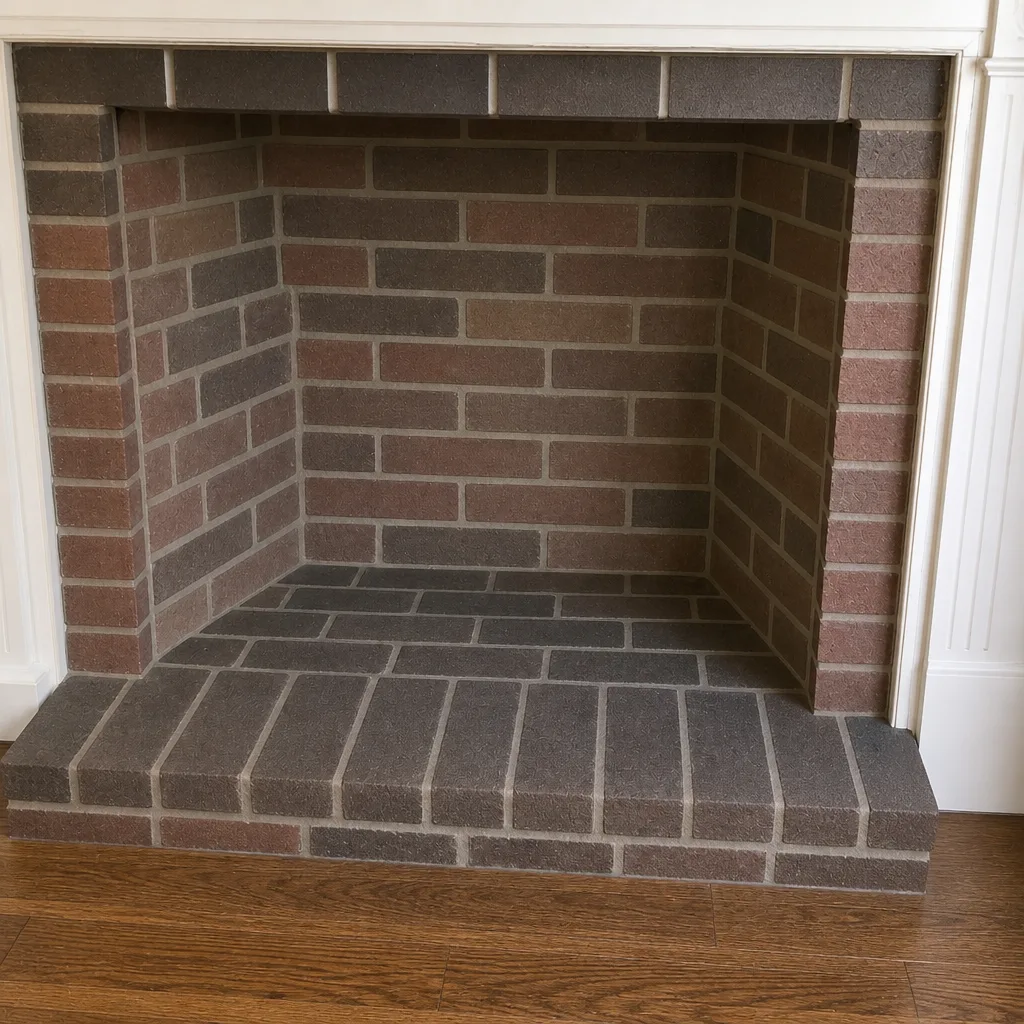
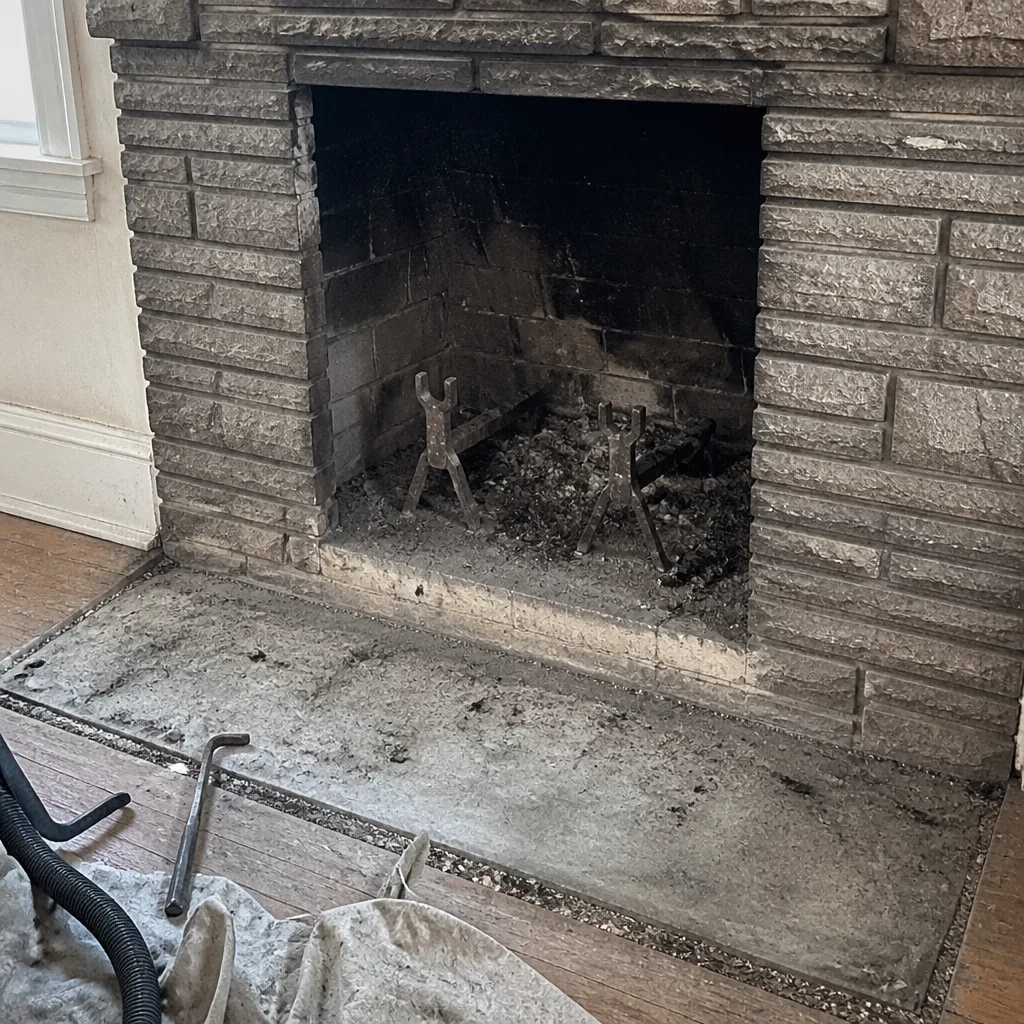
See the difference
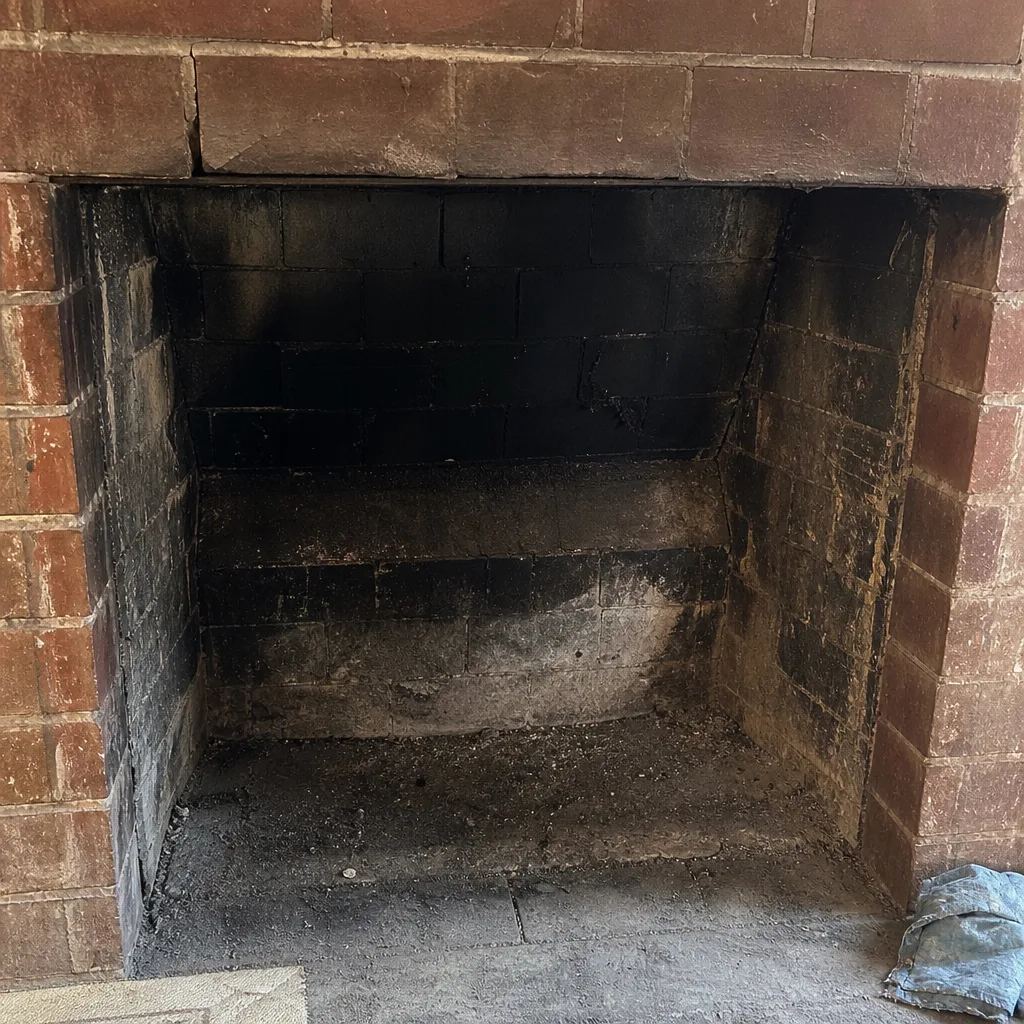 Before
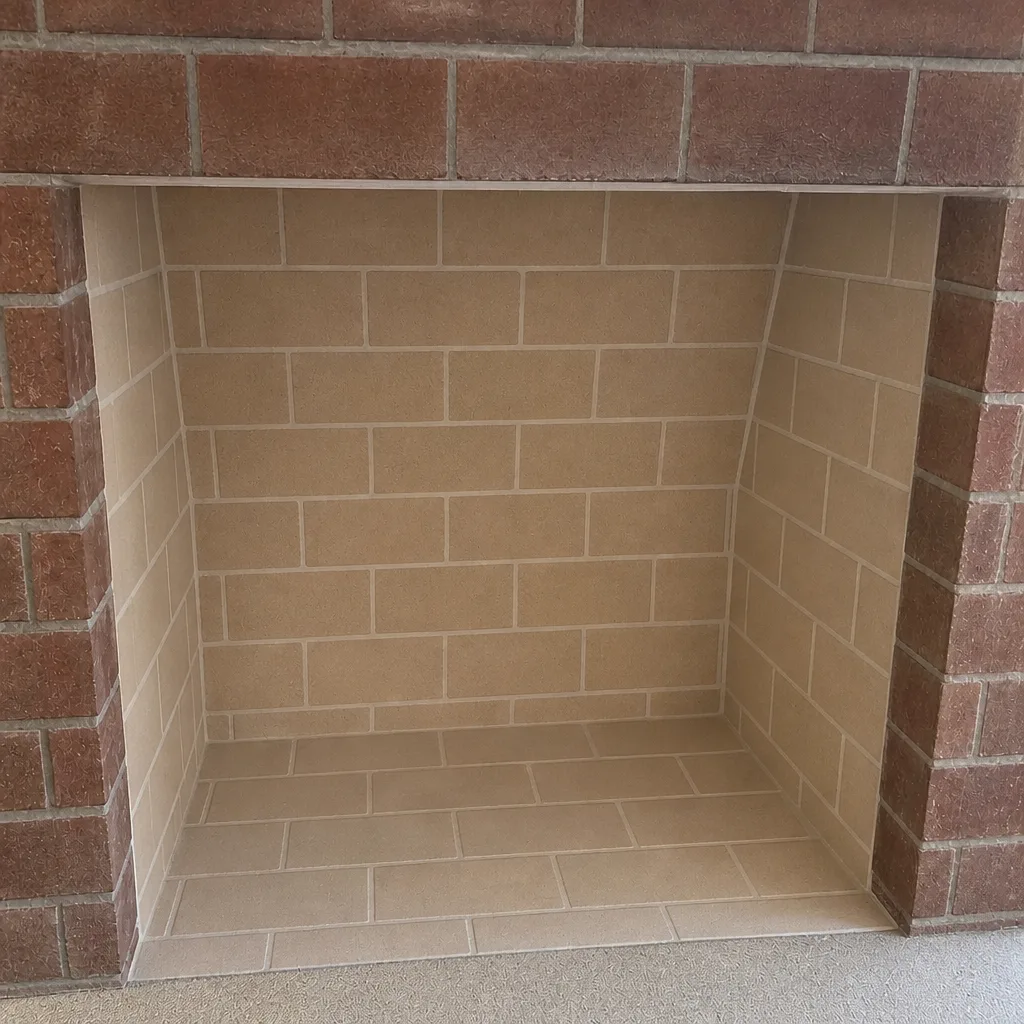 After
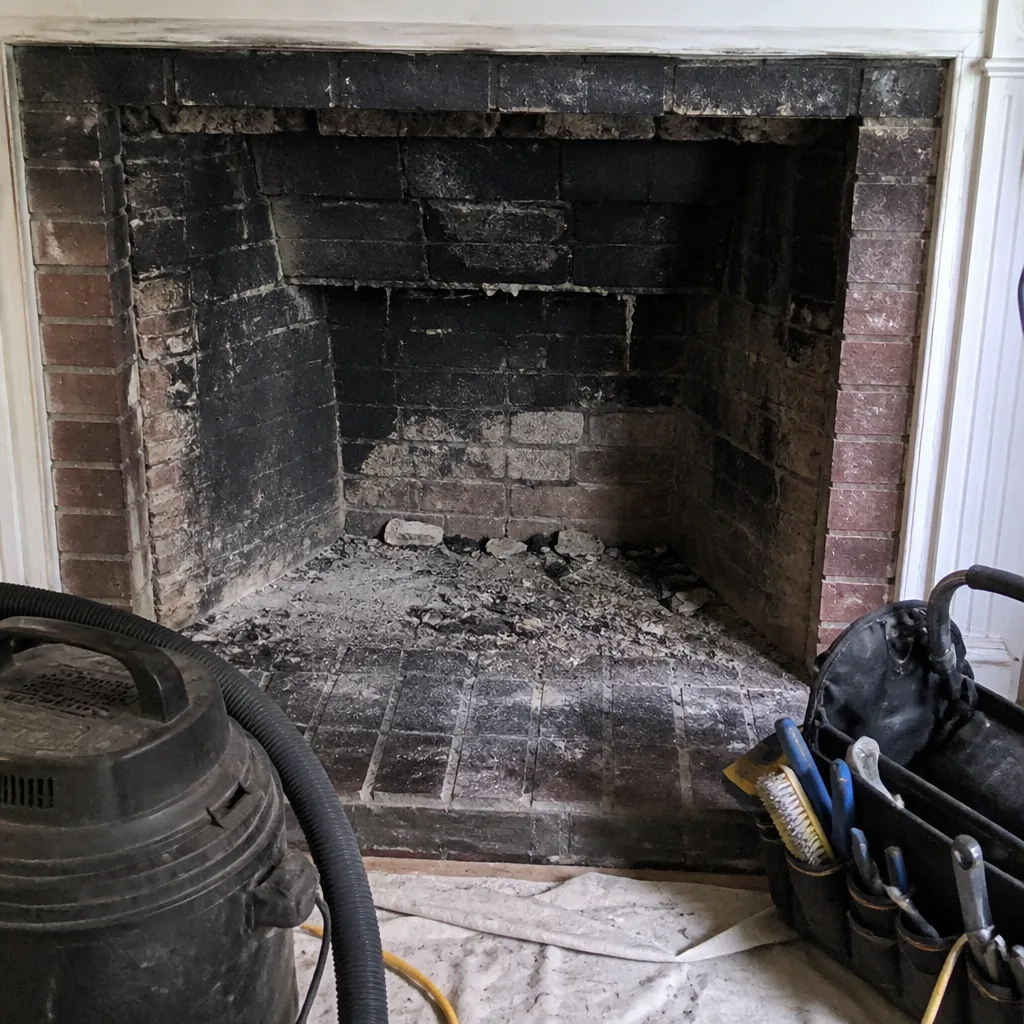 Before
 After
 Before
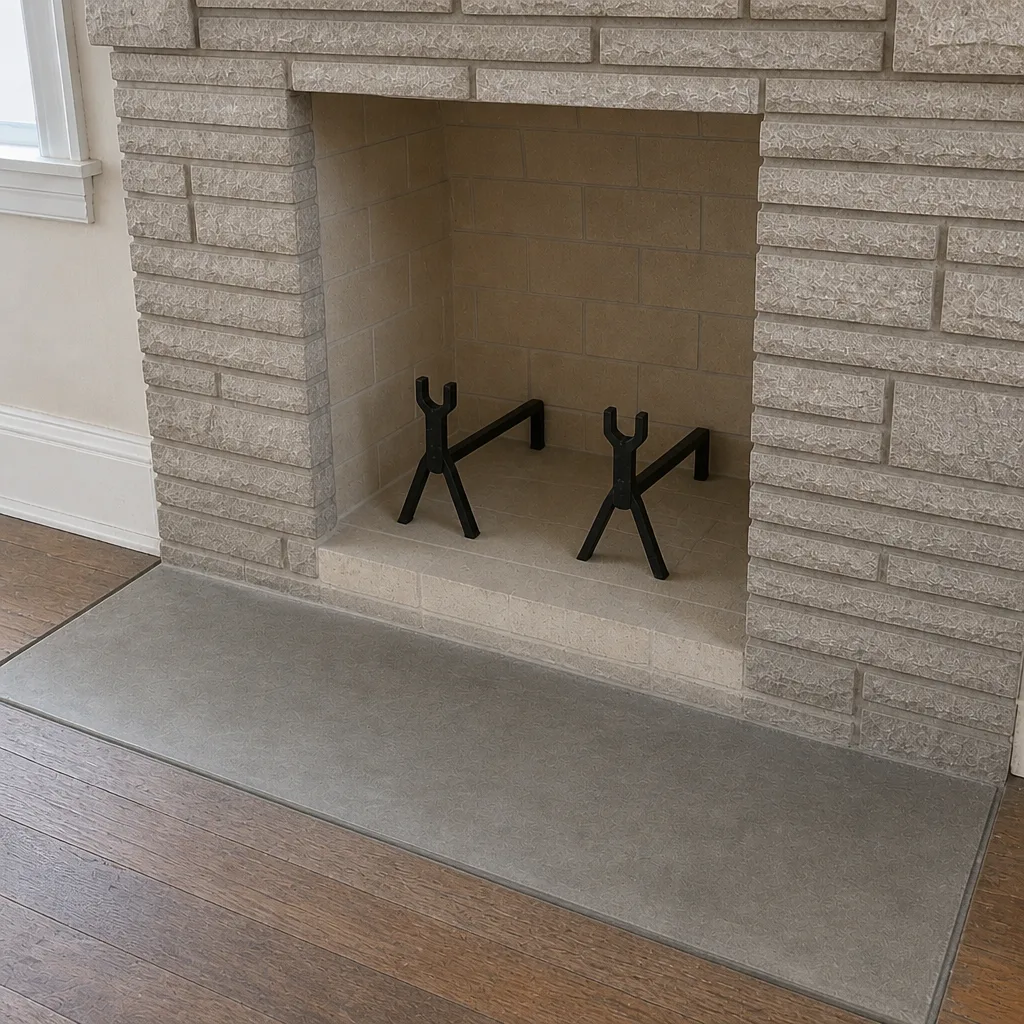 After
Frequently Asked Questions
Chimney cleaning in Rhawnhurst is priced per job by a written estimate, and the estimate should itemize the sweep, inspection, and camera report along with any recommended repairs. The visit is a diagnosis as much as a cleaning, and the written estimate sets the final price. Call (866) 861-1187 for an exact quote – estimates are free.
Most Rhawnhurst chimneys need cleaning once a year with regular use, and gas fireplace chimneys need an annual check even without wood ash. The real interval depends on fuel type and how much the fireplace runs. Call (866) 861-1187 to book a sweep and get an honest answer for your specific chimney.
You need a liner repair when the existing flue is cracked, spalled, or glazed to the point where it can’t safely vent – and you don’t need one when it isn’t. Nothing gets recommended without camera evidence you can see yourself, and resurfacing with HeatShield is one of the options before a full DuraFlex reline. Call (866) 861-1187 for a free estimate and a report you can check.
Yes. Gas fireplace chimneys need an annual inspection and cleaning even though they produce no wood ash, because combustion gases still condense on the flue and can corrode masonry and metal over time. The failures are quieter than on a wood-burning system. Call (866) 861-1187 to book a check.
Skipping the cleaning lets creosote build toward Stage 3, which is the most flammable stage and the one a brush alone can’t remove. The other risk is structural: a cracked crown or damaged liner that gets worse quietly until the fix costs more. Call (866) 861-1187 for an inspection with a camera report – estimates are free.
Yes, a damaged cap or crown can usually be addressed on the same visit or a follow-up, since the cleaning and the repair are both part of the same chimney system. Everything gets itemized in the written estimate first. Call (866) 861-1187. We answer 24/7, with fast dispatch from 7am to 7pm, Sunday through Friday.
The Bottom Line
A chimney cleaning is a system check disguised as routine maintenance, and the difference between a real one and a quick brush is everything that happens off the flue. The smoke chamber, crown, cap, and flashing are where the expensive problems hide, and a camera is what proves their condition. Fuel type sets the interval, not the calendar. Gas fireplaces still need the annual visit. Stage 3 creosote needs more than a brush. Get the diagnosis on paper, ask for the photos, and let the report decide what comes next. Chimney Sweep Rhawnhurst handles sweep, cap and crown, liner, and rebuild on the same call when needed. Call (866) 861-1187 for a free estimate. We answer 24/7. Fast dispatch from 7am to 7pm, Sunday through Friday.
Written by the team at Chimney Sweep Rhawnhurst.