
Last updated November 22, 2026
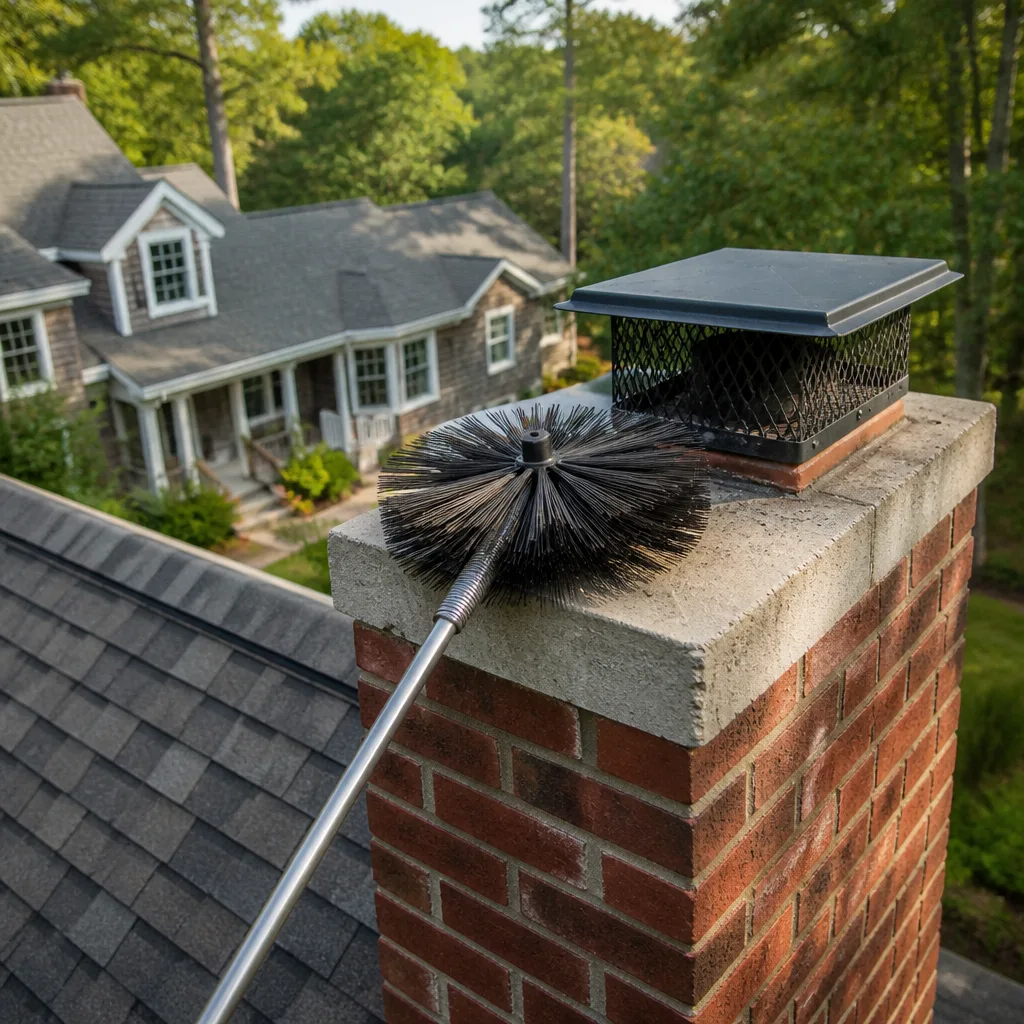 Sweep & inspection
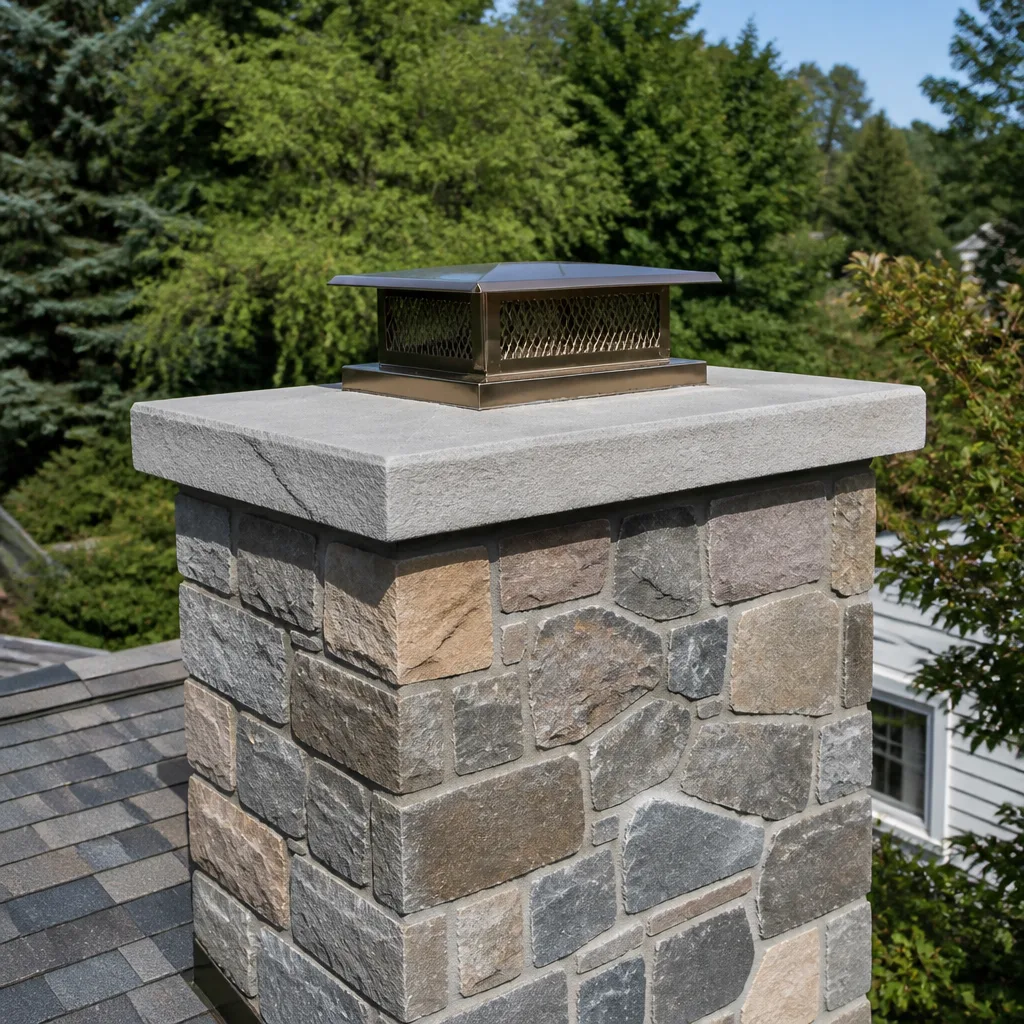 Caps & crowns
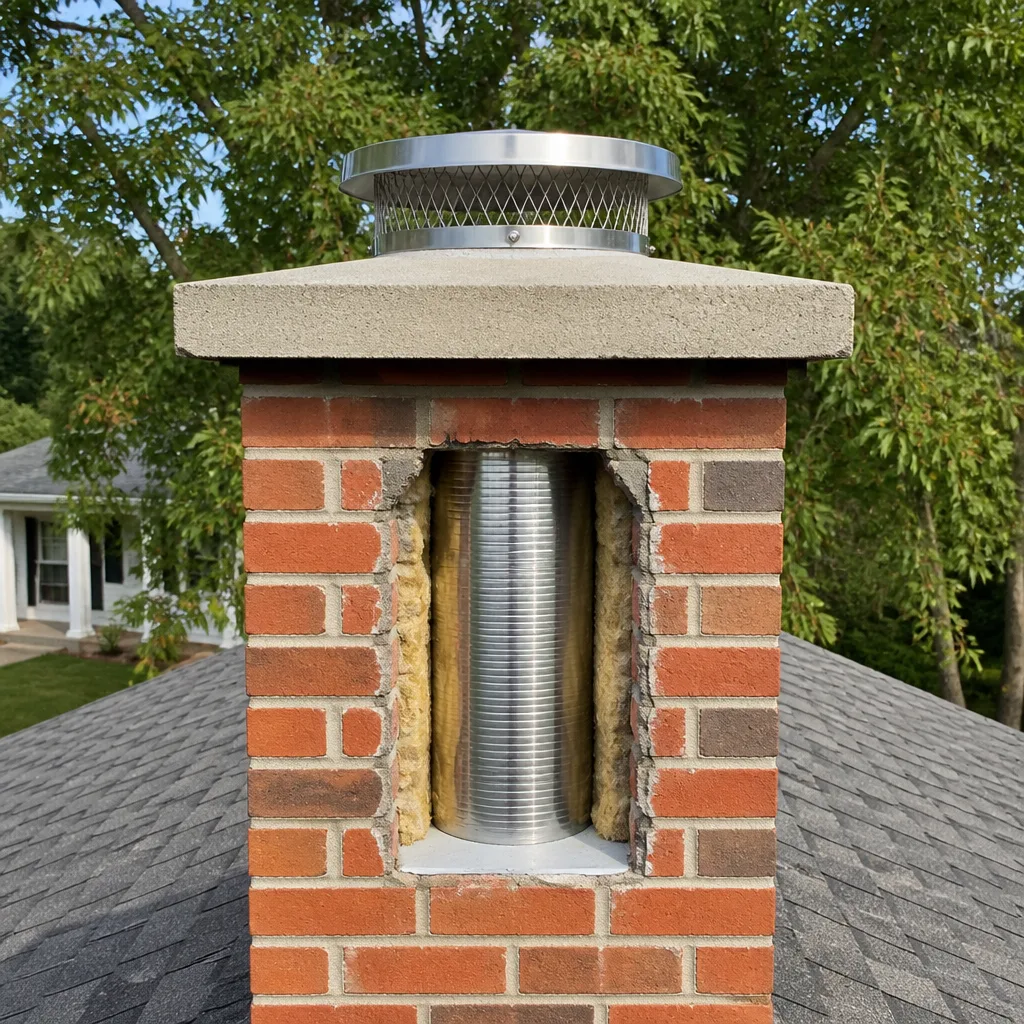 Flue relining
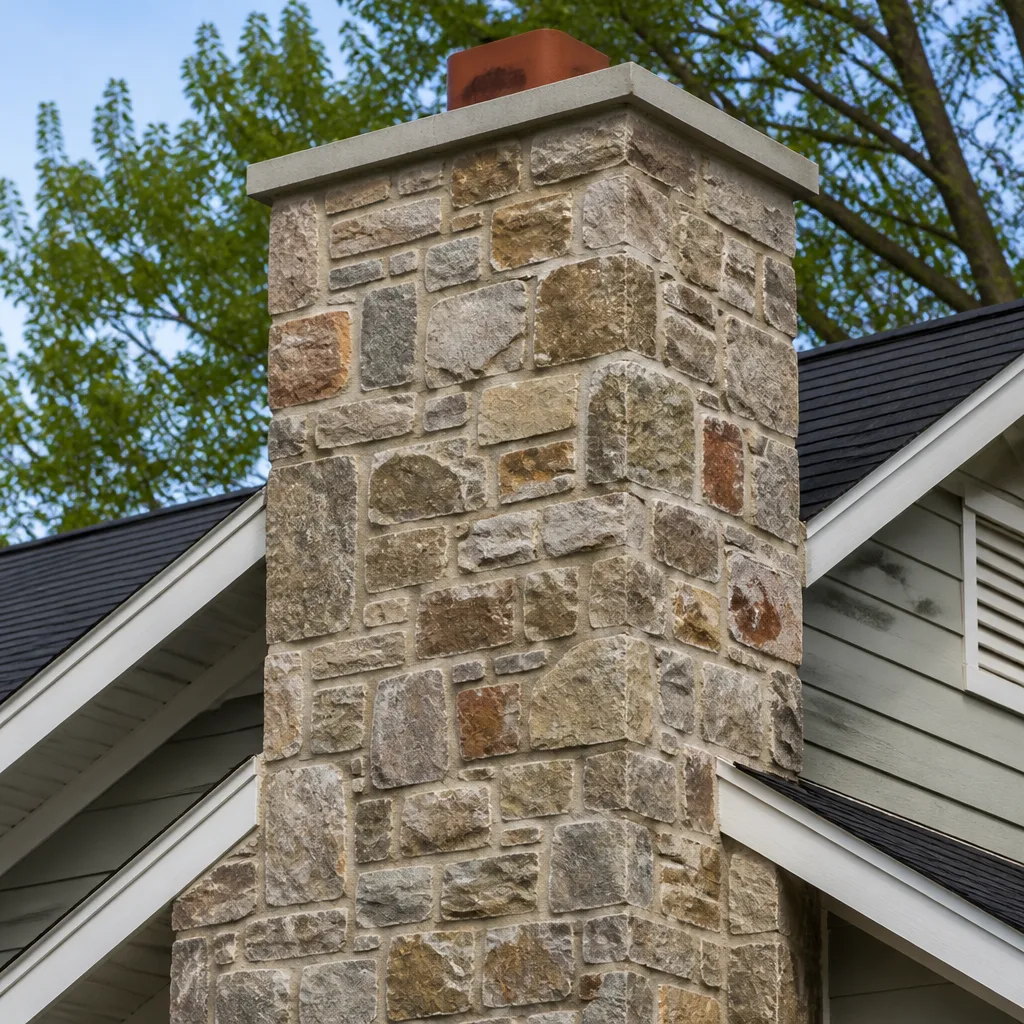 Masonry repair
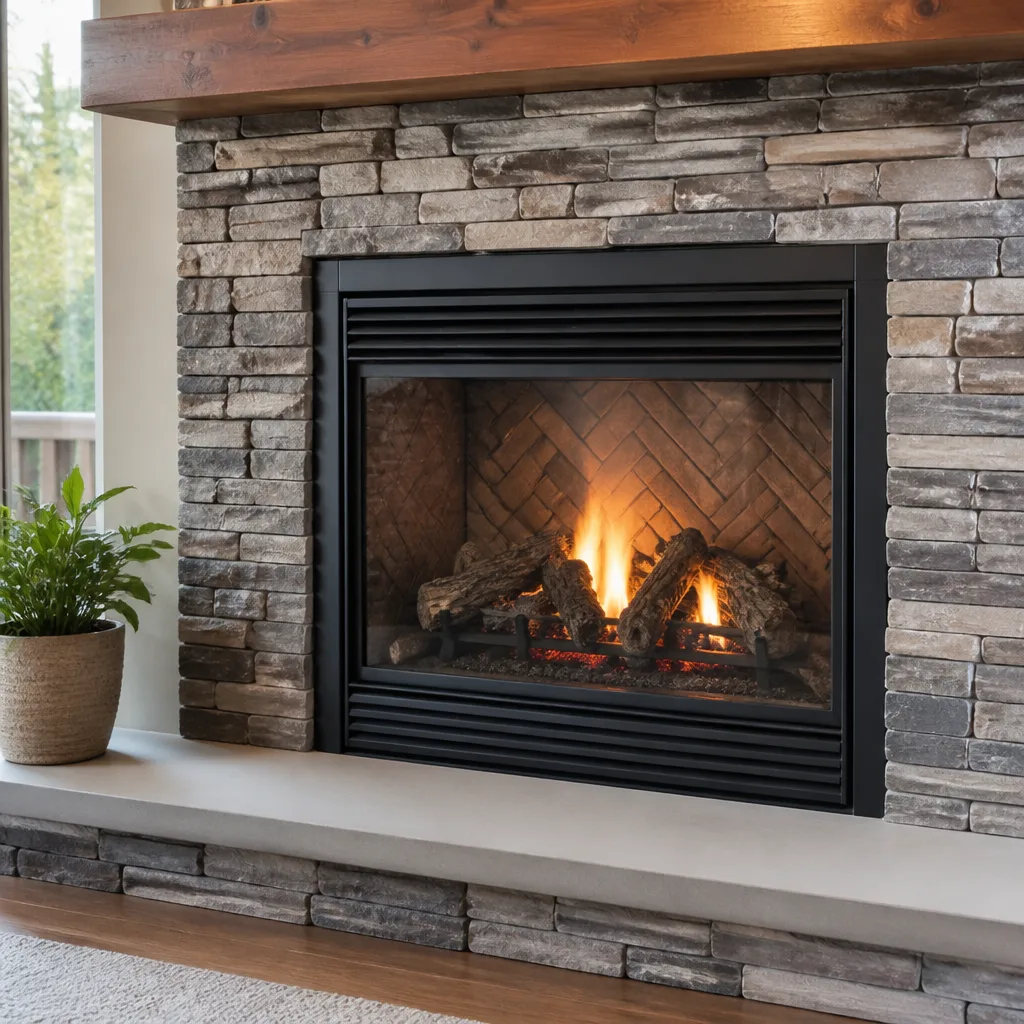 Gas fireplace service
Level 1 sweep and inspection to the NFPA 211 annual standard - flue, crown, cap, and flashing checked and photographed
Chimney sweep logs do not sweep chimneys. They loosen some creosote - which then falls where a brush and vacuum still have to collect it.
Chimney Cleaning Permits, Codes & Inspections in Rhawnhurst, PA: What You Need to Know
Most homeowners assume the hard part of chimney work is the work itself. It isn’t. The hard part is knowing where a routine cleaning stops and a permitted modification begins, because that line decides whether your homeowner’s insurance treats a future fire as a covered loss or as a policy problem you caused. A cleaning doesn’t need a permit in Pennsylvania. A liner replacement, a firebox rebuild, or a new insert very often does. Skipping that step can void coverage and stall a home sale years later. This guide draws that line clearly for Rhawnhurst homeowners, covering Philadelphia’s permitting authority, Level 2 inspections, NFPA 211 clearances, and what retroactive corrections actually involve.
Quick Answer
In Rhawnhurst and across Pennsylvania, routine chimney cleaning and maintenance do not require a permit. Any repair, modification, liner replacement, firebox rebuild, or new appliance installation usually does, and the work must meet NFPA 211 clearances and the Pennsylvania Uniform Construction Code. Rhawnhurst sits inside Philadelphia, so the city’s Department of Licenses and Inspections is the permitting authority for structural chimney work here. A Level 2 inspection is required during a real estate transaction and after any chimney fire, lightning strike, or earthquake.
Styles & brands we work with
- Sweep & inspection
- Caps & crowns
- Flue relining
- Masonry repair
- Gas fireplace service
Table of Contents
- Cleaning vs. Repair: Where the Permit Line Falls in Pennsylvania
- Who Has Permitting Authority Over a Rhawnhurst Chimney?
- What a Level 2 Inspection Is and When It’s Required
- How NFPA 211 Applies to Liner Sizing and Clearances
- Why Unpermitted Chimney Work Surfaces During Home Sales
- What It Takes to Correct Unpermitted Work
- How to Choose a Chimney Contractor in Rhawnhurst
- Common Mistakes to Avoid
Cleaning vs. Repair: Where the Permit Line Falls in Pennsylvania
The Pennsylvania Uniform Construction Code is the state’s adoption of the International family of model codes, and it governs how chimney and venting work is built and altered. The code draws a clean line: maintenance is not construction, but repair and modification are. A sweep that removes creosote, soot, and debris from a flue that’s already built correctly falls on the maintenance side. Nothing is being added, moved, or changed structurally. No permit.
The moment the work changes the system, the picture changes. Here’s how the split usually looks for a Rhawnhurst homeowner:
- No permit typically needed: annual sweeping, creosote removal, cap or crown replacement where the existing flue is unchanged, damper adjustment, and routine inspection.
- Permit typically required: installing or replacing a flue liner, rebuilding a firebox or smoke chamber, adding a wood or gas insert, changing fuel type, adding a new appliance connection, or altering the chimney’s height or structure.
The distinction matters because homeowners hear “chimney work” as one category. It isn’t. A sweep and a reline are different animals under the code, with different paperwork, different inspection requirements, and different insurance consequences if the paperwork is missing.
One more wrinkle specific to this part of Philadelphia: many Rhawnhurst homes were built with masonry chimneys that have since been adapted for gas appliances, and some have inserts added by previous owners without documentation. When we inspect a chimney in Rhawnhurst and find an unlisted insert or a liner that doesn’t match the appliance, we can’t tell you when it was installed or whether it was ever permitted. That’s exactly why the guide below spends time on retroactive correction. If you’re not sure which category your job falls into, start with a chimney sweep and inspection; the technician can tell you whether the work ahead is maintenance or construction.
Who Has Permitting Authority Over a Rhawnhurst Chimney?
Rhawnhurst is a neighborhood in Northeast Philadelphia, which means it falls under the City of Philadelphia’s Department of Licenses and Inspections (L&I). That’s the authority that issues permits for chimney and venting modifications on Rhawnhurst properties. It is not the same as the surrounding townships in Bucks or Montgomery County, and it isn’t the same as a state-level office. If you live in Rhawnhurst, L&I is your permitting body for structural chimney work.
This trips people up for a common reason: Rhawnhurst sits close to the city line, and a number of homes in Northeast Philadelphia are within a short drive of suburban municipalities with their own code offices. If a contractor tells you they “handle the township permit” for a Rhawnhurst job, ask which authority they mean. Philadelphia L&I permits and suburban township permits are not interchangeable.
Here’s how the boundary works in practice:
- Confirm the address is inside Philadelphia. Rhawnhurst addresses are Philadelphia addresses and fall under L&I jurisdiction.
- Identify the scope of work. Cleaning alone: no permit with any authority. Reline, rebuild, insert, or appliance change: permit through L&I.
- Pull the permit before the work starts. Chimney modifications are not work you permit after the fact. A permit pulled after installation usually means the work gets inspected in its finished state, which is harder to pass and sometimes requires opening finished surfaces.
- Keep the inspection record. The signed-off permit and inspection card are the documents a future buyer’s inspector will ask for.
In our experience, the confusion isn’t usually about whether Rhawnhurst is in Philadelphia. It’s about whether a particular job crosses the permit threshold at all. A chimney repair that re-points a few courses of brick above the roofline often doesn’t require a permit. A repair that replaces the flue liner does. We diagnose before we quote, so the permit question is settled before any work is scheduled, not discovered halfway through.
What a Level 2 Inspection Is and When It’s Required
A Level 2 inspection is a thorough examination of the chimney’s accessible interior and exterior, including the flue, connections, and concealed spaces, typically using a camera. It goes beyond the visual check of a Level 1 inspection that accompanies a routine cleaning. NFPA 211 establishes three inspection levels, and Level 2 is the one with specific legal triggers.
You are required to have a Level 2 inspection under NFPA 211 in these situations:
- During a real estate transaction. When a property changes hands, the chimney is inspected at Level 2 regardless of condition.
- After a chimney fire. Any chimney fire, however small, can damage the liner and internal structure in ways a visual check won’t reveal.
- After a lightning strike or earthquake. Both can crack or shift masonry and liner components.
- After any event that may have damaged the chimney. This includes a sudden event like a flue collapse or a significant impact.
- When changing the appliance or fuel type. A new insert or a switch from wood to gas requires a Level 2 inspection to confirm the flue is compatible.
For Rhawnhurst homeowners, the real estate trigger is the one that comes up most often. Philadelphia’s housing stock turns over regularly, and a Level 2 inspection during the sale is standard practice. If you’re buying or selling in Rhawnhurst, budget for a Level 2 inspection as part of the transaction, and ask for the camera documentation, not just a summary paragraph.
What separates a Level 2 from a routine check is what it can find. A Level 1 inspection looks at what’s visible from the firebox and the roof. A Level 2 looks inside the flue with a camera and examines concealed areas. That’s how cracks in a clay tile liner, gaps at joints, and improper connections get caught before they become a fire hazard. Camera inspection and a photo report should be included as part of the job, not offered as an extra.
How NFPA 211 Applies to Liner Sizing and Clearances
NFPA 211 is the Standard for Chimneys, Fireplaces, Vents, and Solid Fuel-Burning Appliances. It’s the document that sets the technical rules the Pennsylvania UCC relies on, and it governs the three things that most often go wrong in a reline or insert installation: liner sizing, clearance to combustibles, and fuel-type compatibility.
Liner sizing. The flue has to be sized for the appliance connected to it. Too large and the flue gases cool before they exit, which causes drafting problems and heavy creosote buildup. Too small and the appliance can’t vent properly. A wood stove or insert with a specific flue collar diameter needs a liner matched to that diameter, not whatever was on the truck. This is why a generic “we reline with whatever fits” approach fails inspection and, more importantly, fails in service.
Clearance to combustibles. NFPA 211 sets the required distance between the chimney’s exterior and any combustible material like wood framing, sheathing, or insulation. Older Rhawnhurst homes frequently have chimneys built tight against framing with insufficient clearance. When we find that during inspection, the fix isn’t always a full rebuild. In some cases, an insulated stainless liner system can bring the assembly into compliance. In other cases, the clearance issue is at the chimney’s exterior and needs to be addressed before the flue is usable. This is where brands matter: a professional-grade stainless liner from a maker like DuraFlex or Copperfield is engineered to a known standard, so the installation can be documented and inspected against a real specification.
Fuel-type compatibility. A flue lined for wood is not automatically suitable for gas, and a flue venting a gas appliance has different requirements than one venting a wood stove. When a Rhawnhurst homeowner adds a gas insert to a masonry fireplace, the existing liner has to be evaluated for compatibility with the new appliance. NFPA 211 and the appliance manufacturer’s listing instructions both apply, and the permit inspection will check both. Changing fuel type without a Level 2 inspection and a permit is one of the more common code violations we find.
These standards exist for a reason that’s easy to forget in daily life: an unlined or improperly lined flue lets heat and embers reach combustible material. That’s how chimney fires start. The technical requirements aren’t bureaucracy; they’re the difference between a chimney that vents and one that fails under heat.
Why Unpermitted Chimney Work Surfaces During Home Sales
Unpermitted chimney work has a way of staying hidden until the worst possible moment: the home inspection. A buyer’s inspector will look at the chimney, and if there’s a newer liner, insert, or firebox rebuild without a permit record, the question comes up immediately. In Philadelphia’s market, that question can hold up a closing or force a price reduction.
What the inspector looks for is simple and hard to argue with:
- The permit record pulled with Philadelphia L&I for the modification.
- The final inspection sign-off on that permit.
- Documentation from the installing contractor showing what was installed and to what standard.
When those documents don’t exist, the buyer’s inspector flags the work as unverified. That doesn’t always kill a deal, but it usually triggers a negotiation. The seller may need to pull a retroactive permit, open finished surfaces for inspection, and correct anything that doesn’t meet NFPA 211. All of that costs more than doing the work correctly the first time.
For buyers, unpermitted work is a different problem. A newly installed liner looks identical whether or not it was permitted. Without documentation, you have no way to know whether the liner was sized to the appliance, whether clearances were met, or whether the work was inspected. This is why we recommend asking for the permit and inspection record whenever a seller advertises a recent chimney modification. In Rhawnhurst, where a lot of homes have seen several owners and several rounds of updates, the documentation trail is often incomplete. A Level 2 inspection before closing is the practical way to establish what’s actually in the chimney.
What It Takes to Correct Unpermitted Work
Retroactive correction is possible, and it’s not the end of the world, but it’s more involved than a fresh installation. The process generally runs like this:
- Level 2 inspection and documentation. The starting point is always a full Level 2 evaluation with camera footage, so the inspector and the permitting office both see what’s actually installed.
- Pull the permit after the fact. Philadelphia L&I can issue a permit for existing work, but the work will be inspected in its finished state. Anything concealed inside the chimney or behind finished surfaces may need to be opened for inspection.
- Correct code deficiencies. This is the part that varies most. If the liner was installed correctly and meets NFPA 211, the correction may be mostly paperwork. If the liner is undersized, uninsulated, or improperly connected, it may need to come out and be replaced.
- Complete the inspection. The L&I inspection has to pass before the work is documented as compliant.
- Keep every record. Permit, inspection sign-off, installation documentation, and photos. These are the documents that prevent the same problem from surfacing at the next sale.
The variable that drives cost is how much of the original installation has to be undone. A correctly installed liner that just lacks paperwork is a manageable correction. A liner sized for the wrong appliance, or one installed without proper clearance, often needs replacement. In our experience, the homeowners who end up spending the most are the ones who discover the problem at closing and have to correct it on a deadline. The ones who spend the least are the ones who get the permit before the work starts.
When a correction does require a new liner, the material quality matters more than usual because the work will be inspected. Professional-grade systems from manufacturers like DuraFlex and HeatShield are built to documented specifications, so the installation can be evaluated against a real standard rather than a “looks fine” judgment.
How to Choose a Chimney Contractor in Rhawnhurst
The contractor question is where most permit problems get prevented or created. A chimney specialist will tell you up front whether a job needs a permit. A general handyman who sweeps chimneys on the side may not know the requirements or may tell you a permit isn’t needed when it is. Here’s what to confirm before you hire:
- Specialization. Chimney work is the trade, not an add-on to roofing or general repair. Ask what else they do. If chimney work is one line among many, the permit knowledge is usually thin too.
- Permit awareness. They should be able to explain which jobs require a permit and which don’t, and offer to pull or coordinate the permit when one is required.
- Level 2 inspection capability. Camera equipment and documented photo reports, not just a verbal summary.
- Liner and rebuild scope. The ability to size a liner to NFPA 211 and handle structural work means the contractor can correct problems rather than just flag them.
- Professional-grade materials. Recognized brands like DuraFlex, HeatShield, Copperfield, and Olympia Chimney indicate the contractor works to specified standards.
Chimney Sweep Rhawnhurst works with a roster of professional-grade brands and covers the full scope: annual cleaning, chimney cap & crown installation, liner installation and rebuild, and fireplace repair. Our technicians have up to 15 years of experience. Because chimney work is all we do, we diagnose before we quote and can tell you whether what you’re facing is maintenance or permitted construction. For homeowners who want a straight answer on their specific chimney, we provide free estimates and can walk through the permit question for your address.
Common Mistakes to Avoid
- Assuming cleaning requires a permit. It doesn’t, and asking for one wastes time. The mistake is the reverse: assuming a liner replacement also doesn’t, because both get called “chimney work.”
- Installing an insert without a Level 2 inspection. A new insert needs a Level 2 inspection to confirm the existing flue is compatible. Skipping it can mean the flue vents improperly, and it exposes you at inspection time.
- Pulling the permit after the work is finished. Retroactive permitting is possible, but the work gets inspected in its finished state. Anything concealed may need to be opened for inspection, and that adds real cost.
- Confusing township rules with city rules. Rhawnhurst is inside Philadelphia, so L&I is the authority. A contractor citing a suburban township permit for a Rhawnhurst address has the wrong jurisdiction.
- Skipping the Level 2 inspection during a sale. Buyers and sellers both benefit from the camera documentation. Without it, the transaction is negotiating over unknowns.
- Hiring a generalist for a permitted job. A handyman who sweeps chimneys may not know when the permit threshold is crossed. That’s the scenario most likely to leave you with work that won’t pass a home inspection.
- Not keeping the paperwork. The permit record, inspection sign-off, and installation documentation are what protect you at resale. A completed permit that gets lost is nearly as problematic as one never pulled.
See the difference
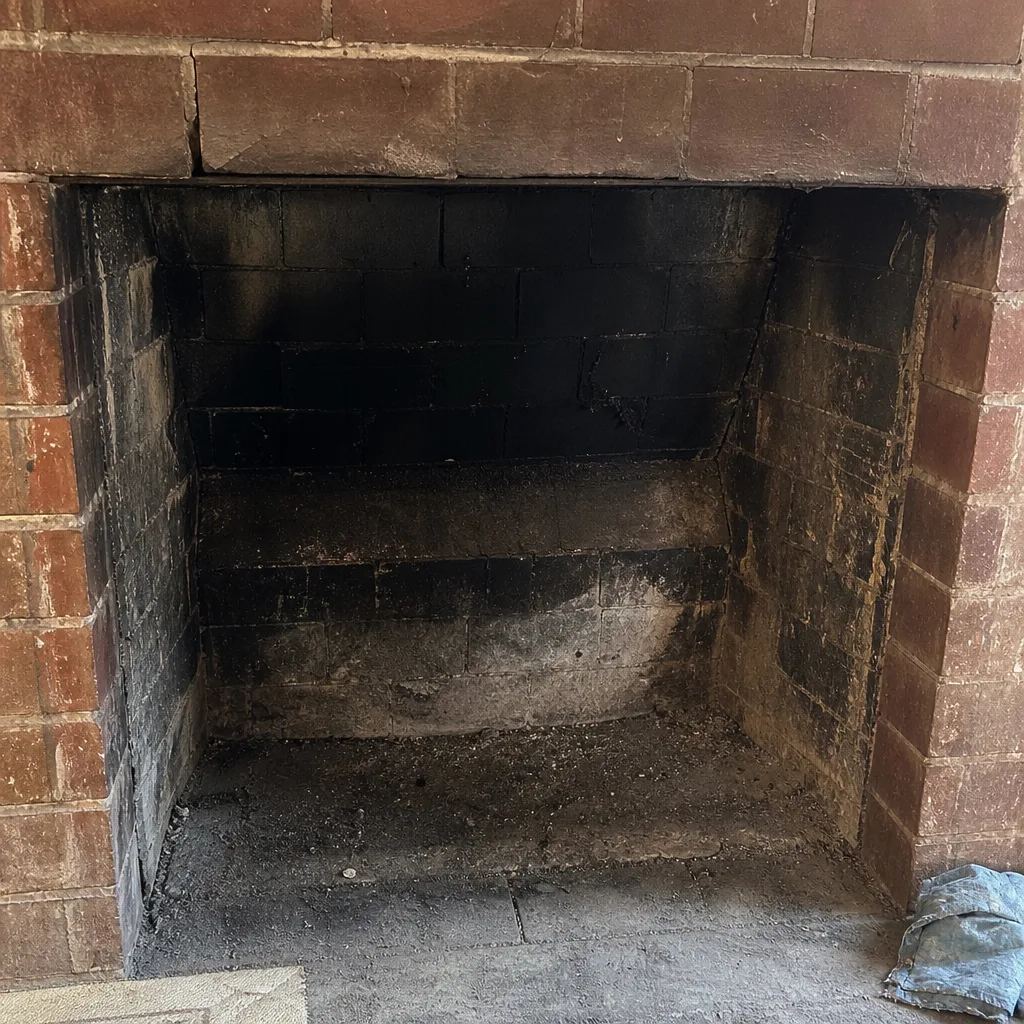 Before
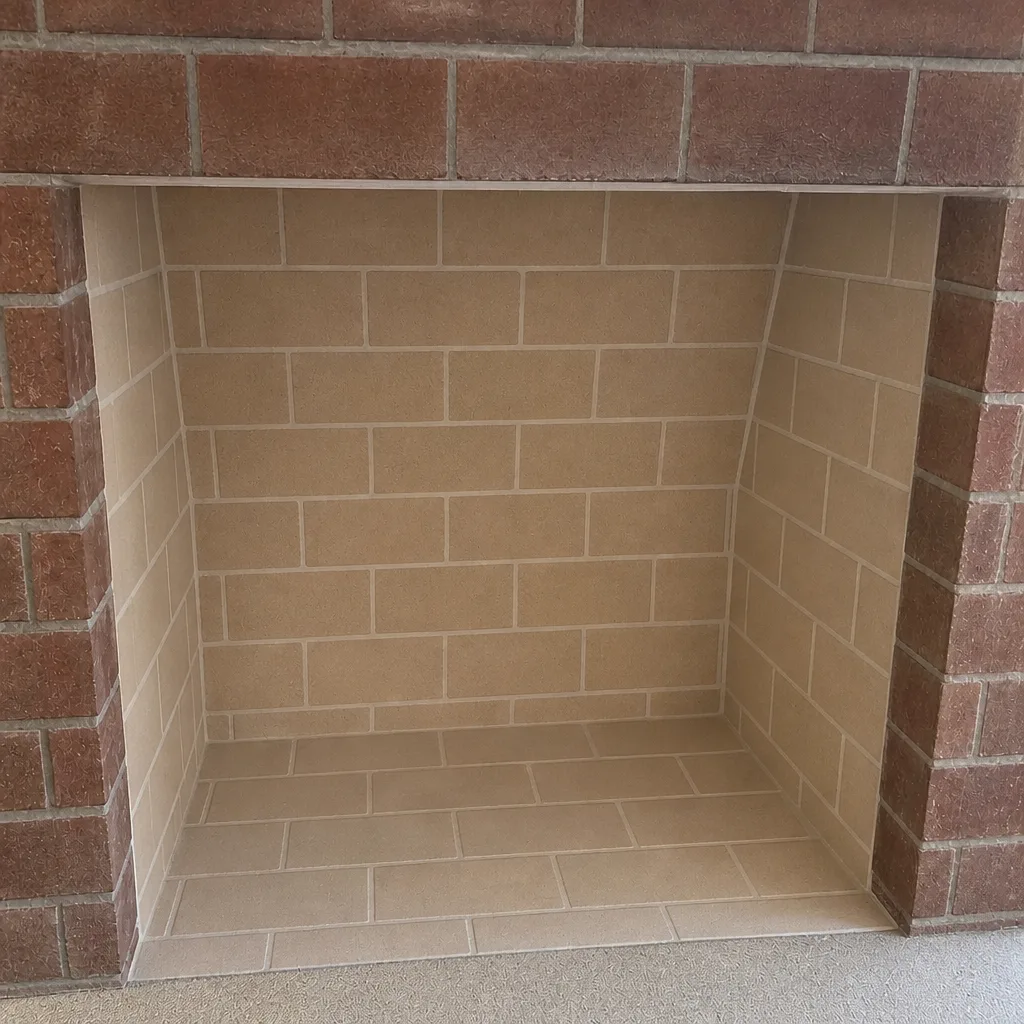 After
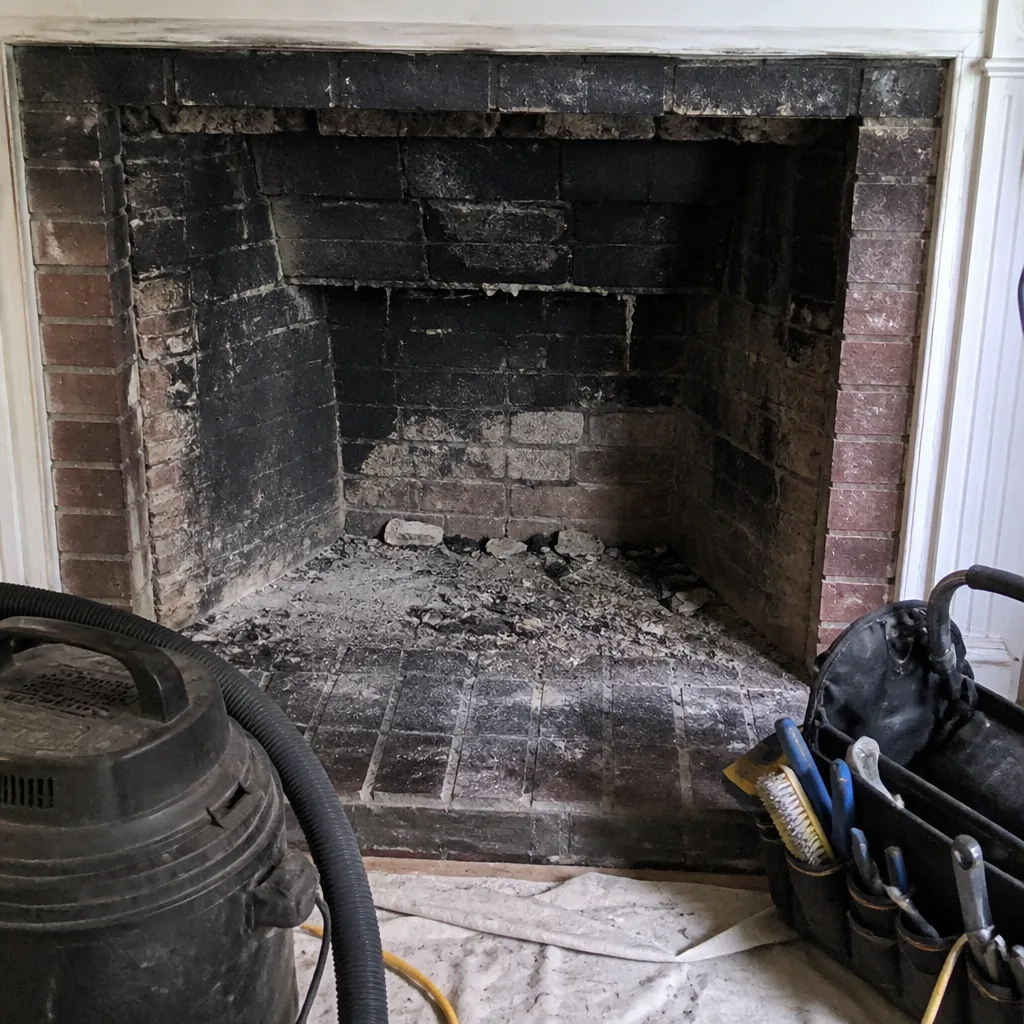 Before
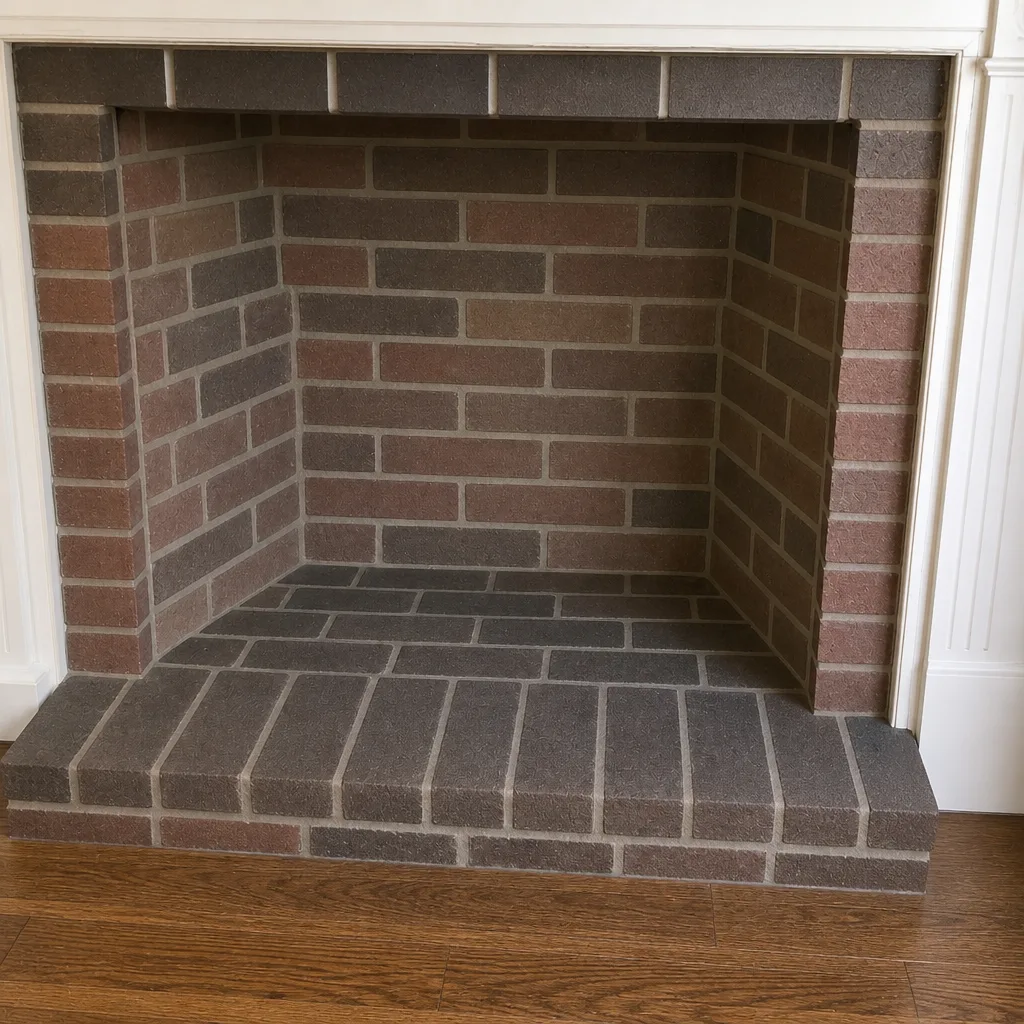 After
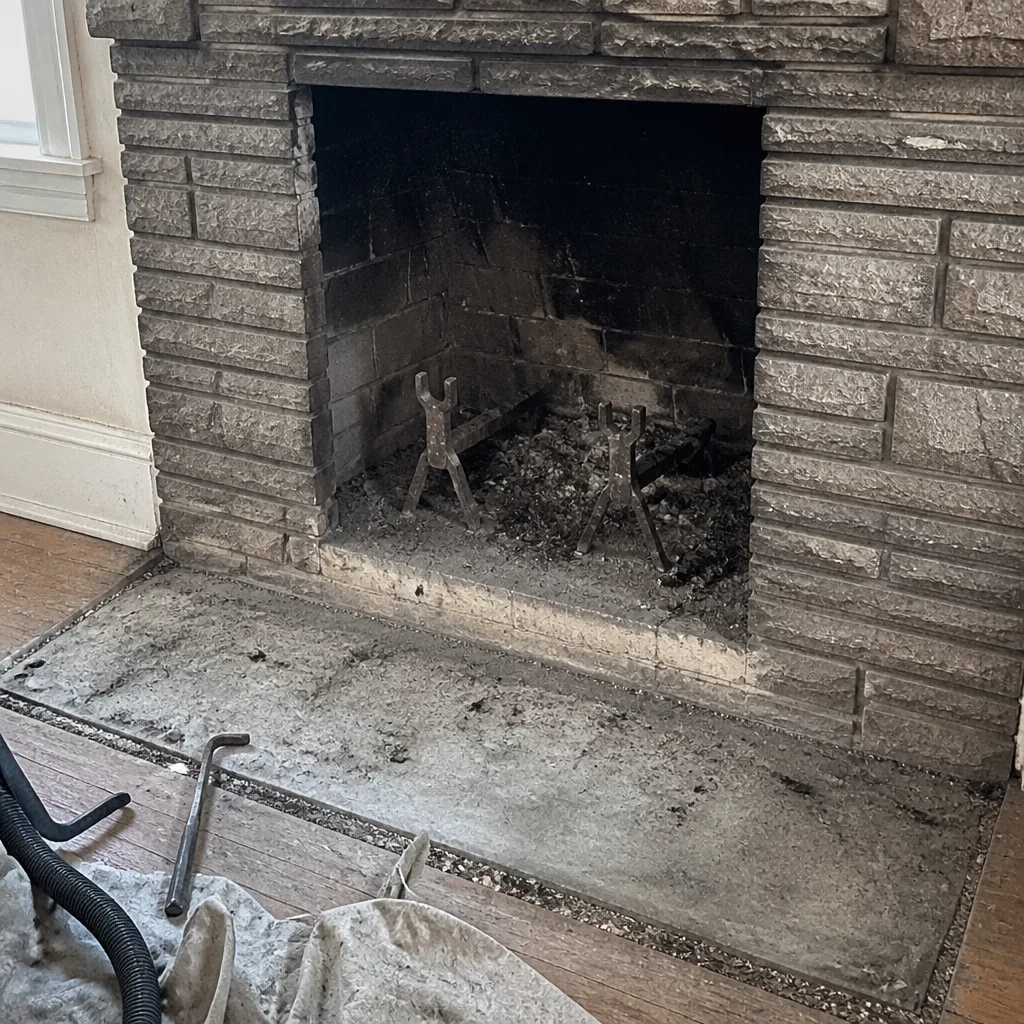 Before
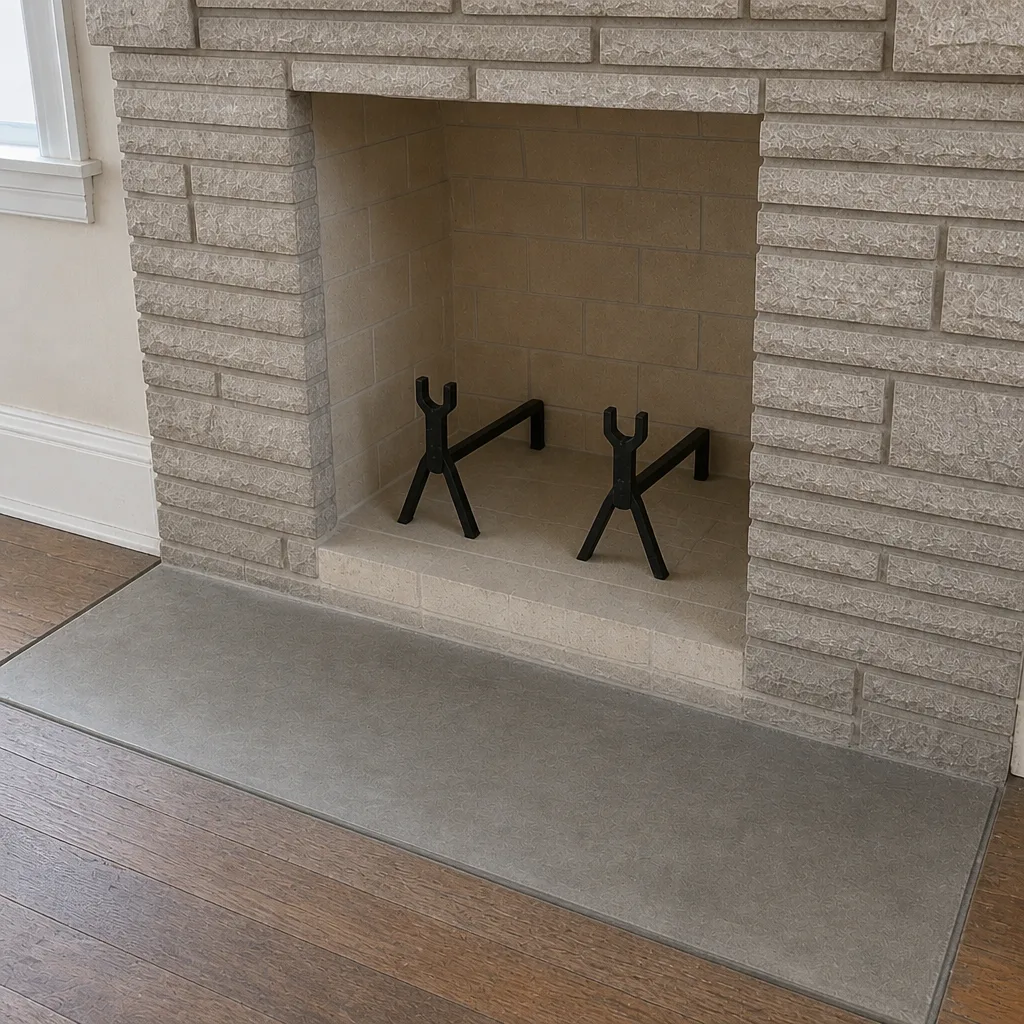 After
When to Call a Professional
Call a professional when you’re planning a modification rather than a cleaning. A liner replacement, an insert, a firebox rebuild, or a fuel-type change all cross the permit line, and the permit question should be settled before work starts. Also call after any chimney fire, lightning strike, or earthquake, since those events trigger a Level 2 inspection requirement. If you’re buying or selling a home in Rhawnhurst, a Level 2 inspection with camera documentation belongs on the checklist. And if you’ve just moved into a home with an undocumented liner or insert, get it evaluated before you use the fireplace. Chimney Sweep Rhawnhurst offers free estimates in Rhawnhurst – call (866) 861-1187. We answer 24/7. Fast dispatch from 7am to 7pm, Sunday through Friday.
Frequently Asked Questions
No. Routine chimney cleaning and maintenance do not require a permit in Rhawnhurst or anywhere in Pennsylvania. Cleaning removes creosote, soot, and debris from an existing flue without changing the system. The permit threshold is crossed when the work becomes a repair, modification, liner replacement, or new appliance installation. If you’re not sure which side of the line your job is on, an inspection will settle it before any work is scheduled.
Yes. Rhawnhurst is a neighborhood in Northeast Philadelphia, so structural chimney work falls under the City of Philadelphia’s Department of Licenses and Inspections. This is different from the surrounding suburban townships, which have their own code offices. For a Rhawnhurst address, L&I is the permitting authority, and the permit and inspection record is what protects you at resale. Call (866) 861-1187 for an exact quote on inspection and permitting guidance – estimates are free.
A Level 2 inspection is a thorough evaluation of the chimney’s accessible interior and exterior, including the flue and concealed spaces, typically using a camera. NFPA 211 requires it during a real estate transaction, after any chimney fire, after a lightning strike or earthquake, and when changing the appliance or fuel type. In Rhawnhurst, the real estate trigger comes up most often. The camera documentation matters as much as the inspection itself, because that’s what a future buyer’s inspector will want to see.
Unpermitted work can complicate a claim, and in some cases it can affect coverage for a fire that starts in or near the chimney. The exact outcome depends on your policy and your insurer, which is why it’s worth getting the permit right before the work starts rather than after. The paperwork question is settled far more cheaply than the claim question. Call (866) 861-1187 for an exact quote – estimates are free and the inspection tells you what you’re actually dealing with.
Yes, but the process is more involved than a fresh installation. Correction starts with a Level 2 inspection and camera documentation, then a permit pulled for the existing work, then an inspection of the work in its finished state. Concealed areas may need to be opened, and anything that fails to meet NFPA 211 may need to be replaced. A correctly installed liner that simply lacks paperwork is a manageable fix; a liner sized to the wrong appliance often is not.
Usually yes. A liner replacement changes the chimney system and typically requires a permit through Philadelphia L&I. The liner also has to be sized to the appliance and installed to NFPA 211 clearances, which is what the inspection checks. Professional-grade liner systems from makers like DuraFlex and HeatShield are built to documented specifications, so the installation can be inspected against a real standard rather than a visual judgment. Call (866) 861-1187 for an exact quote – estimates are free.
The Bottom Line
The permit line in Rhawnhurst is clearer than most homeowners expect. Cleaning and maintenance sit on one side; repairs, relines, firebox rebuilds, and new appliance installations sit on the other, and those require a permit from Philadelphia L&I. A Level 2 inspection is required during a real estate transaction and after any chimney fire, lightning strike, or earthquake, and NFPA 211 governs the liner sizing and clearances that inspection will check. Unpermitted work is correctable, but the correction is more expensive than the permit would have been. For a Rhawnhurst homeowner, the safest move is to settle the permit question before the work begins. If you’re not sure where your job falls, call (866) 861-1187 for a free estimate. We answer 24/7. Fast dispatch from 7am to 7pm, Sunday through Friday. Chimney Sweep Rhawnhurst handles the full scope, from annual sweep to full liner rebuild, with professional-grade materials installed by trained chimney specialists.
Written by the team at Chimney Sweep Rhawnhurst.