
Last updated November 22, 2026
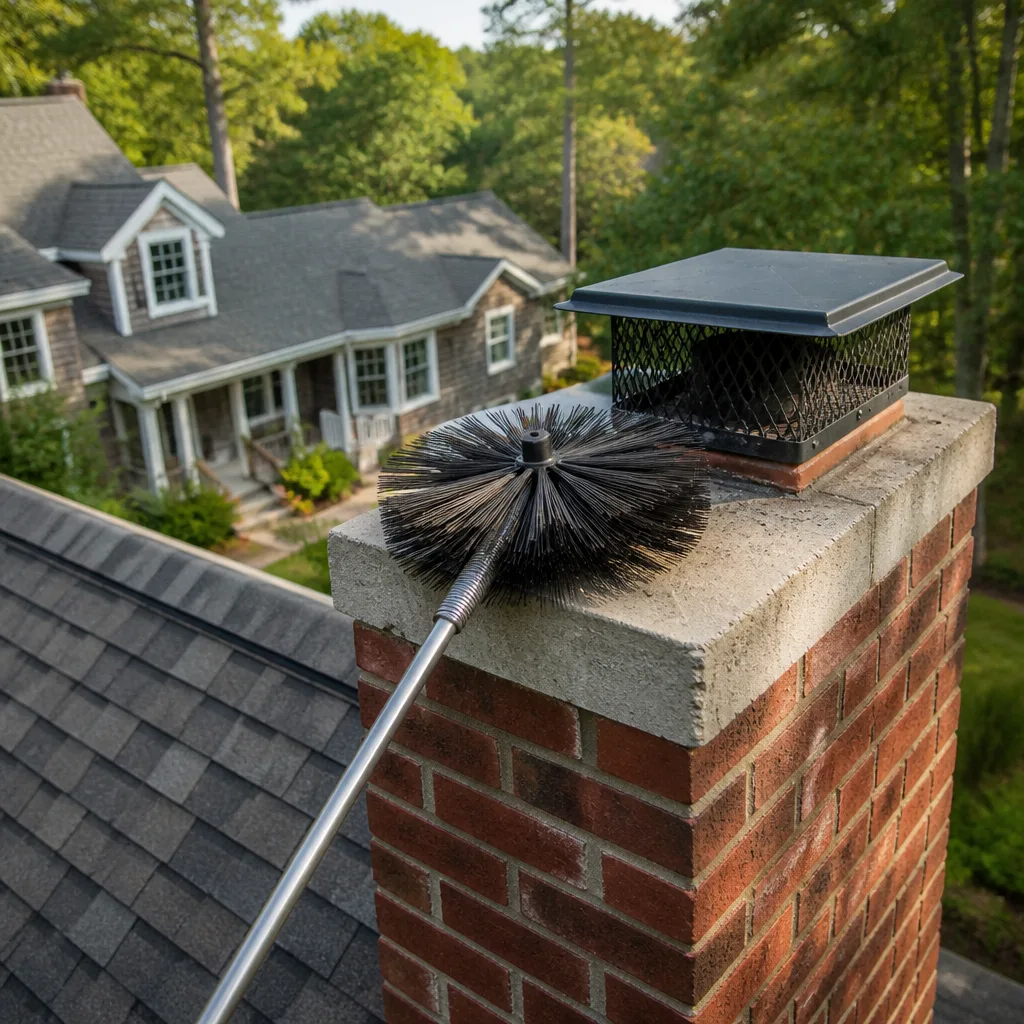 Sweep & inspection
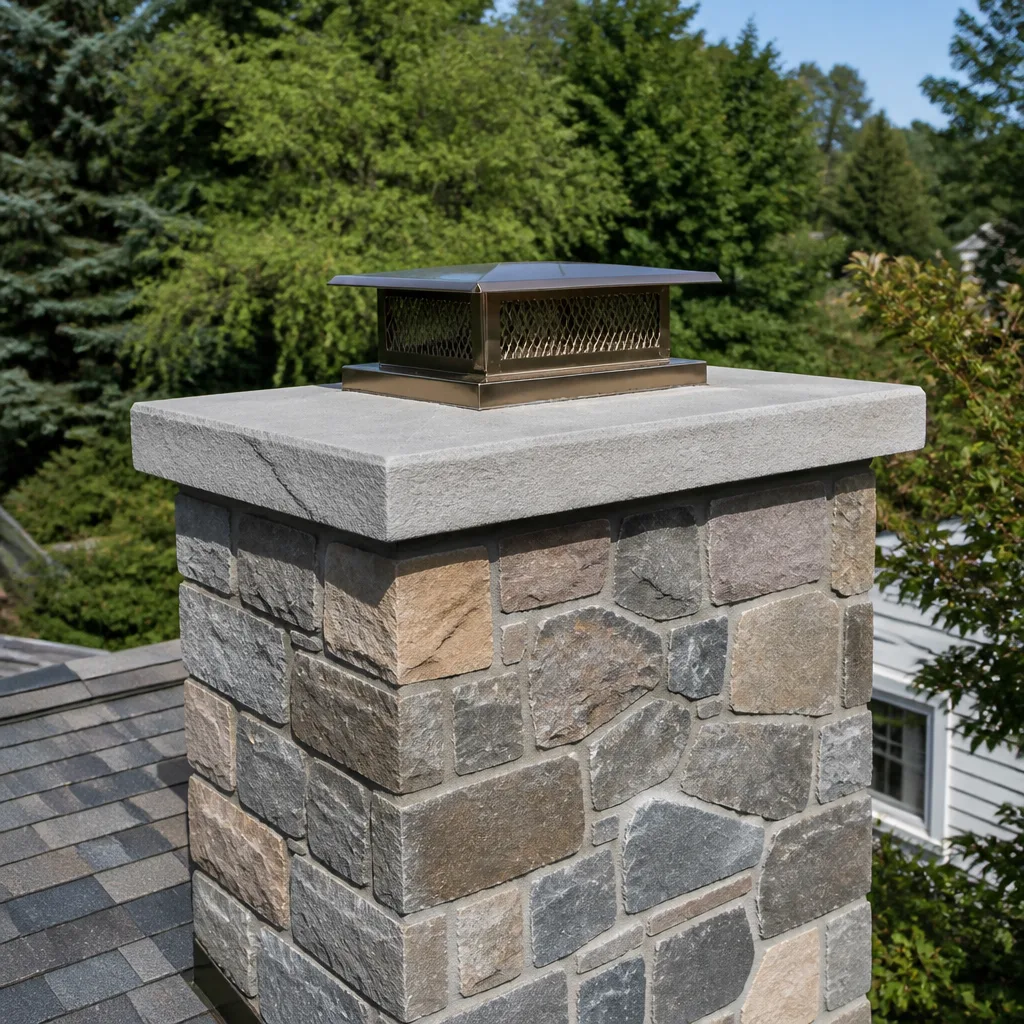 Caps & crowns
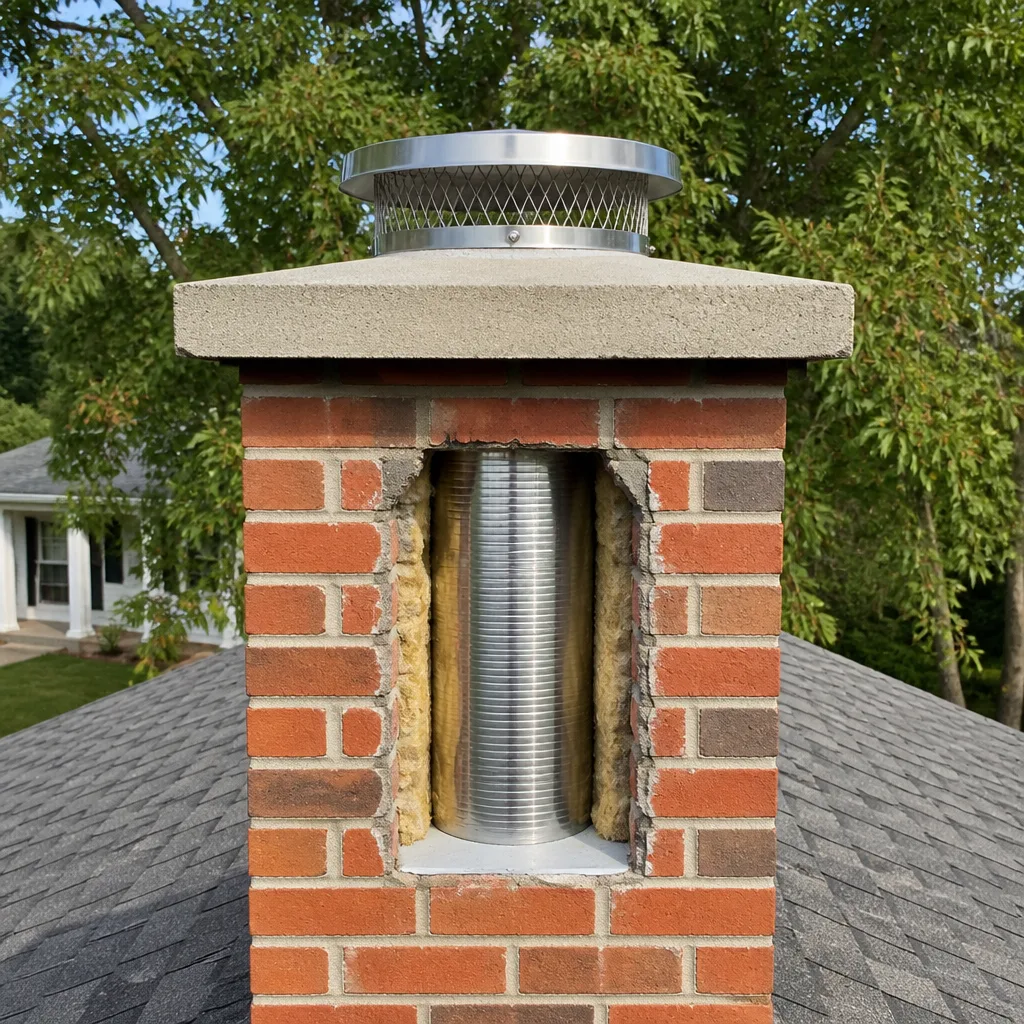 Flue relining
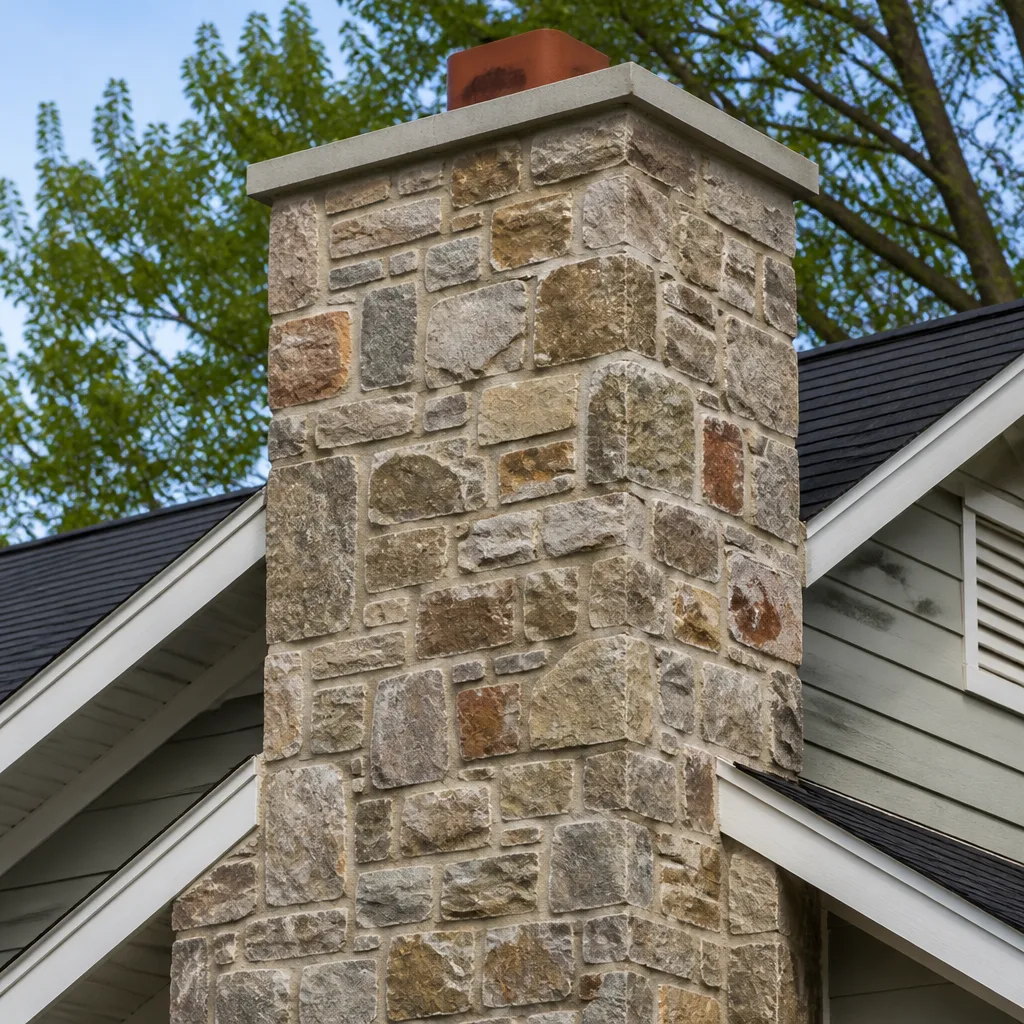 Masonry repair
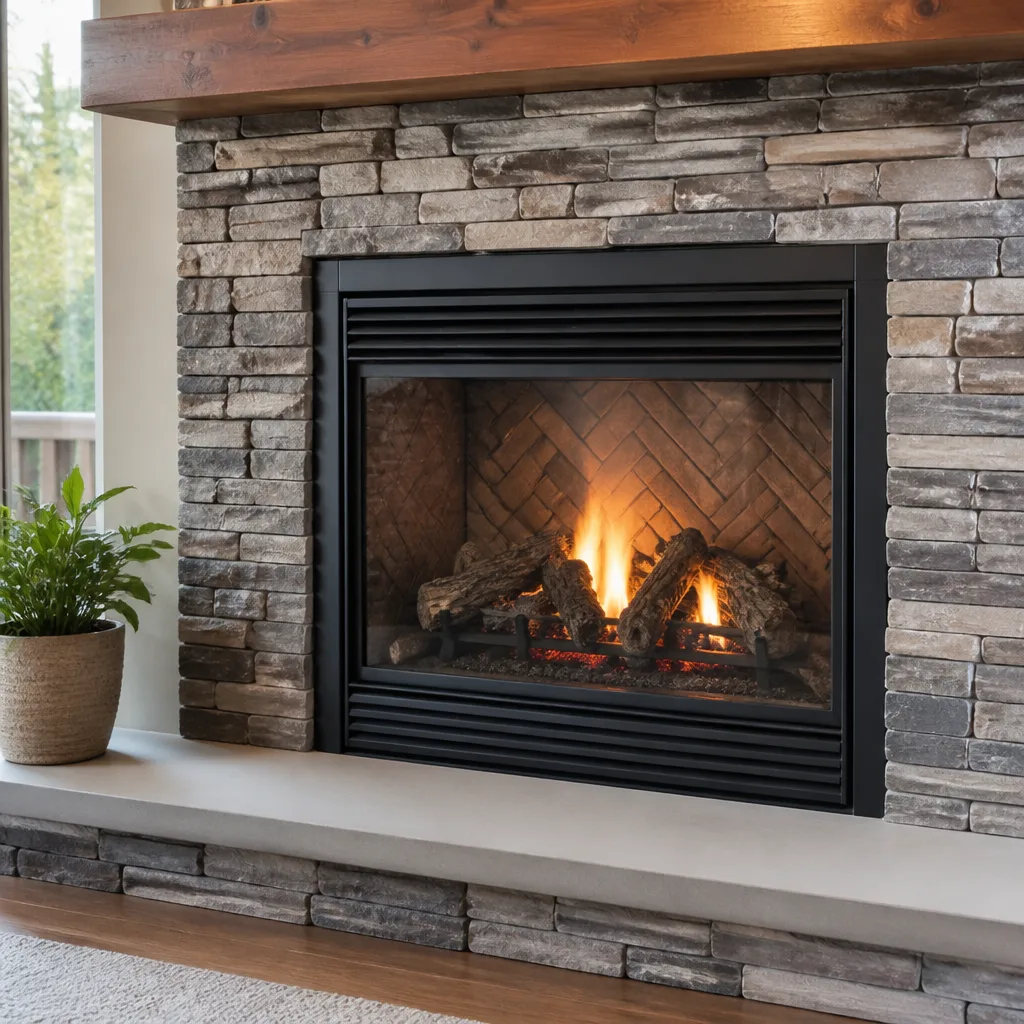 Gas fireplace service
Level 1 sweep and inspection to the NFPA 211 annual standard - flue, crown, cap, and flashing checked and photographed
Chimney sweep logs do not sweep chimneys. They loosen some creosote - which then falls where a brush and vacuum still have to collect it.
DIY vs Professional Chimney Cleaning: The Rhawnhurst Homeowner’s Decision Guide
You can buy a chimney brush at any home center in Northeast Philadelphia. What you can’t buy there is the part that actually matters: a flex-shaft rotary system that reaches the whole flue, a camera that shows you the inside of the chimney in real time, and the experience to tell Stage 1 creosote from Stage 2 before it turns into a problem. The brush is the easy part. This guide draws a clear line between the chimney maintenance a Rhawnhurst homeowner can reasonably handle and the work where the gap in tools, training, and liability makes a professional the only sensible option. You’ll learn what’s genuinely safe to do yourself, what a DIY cleaning can miss, and how to decide which side of that line your chimney falls on this year.
Quick Answer
For most Rhawnhurst homes with a wood-burning fireplace or stove, professional chimney cleaning is the right call because the creosote that causes flue fires sits in places a hand brush can’t reliably reach or assess. A DIY sweep without a camera inspection leaves you guessing about what’s still on the walls. The legitimate DIY zone is limited: keeping the firebox clear, checking the damper, and watching the cap from the ground. Anything involving the flue interior, a gas insert, or a glazed creosote deposit belongs to a trained chimney technician.
Styles & brands we work with
- Sweep & inspection
- Caps & crowns
- Flue relining
- Masonry repair
- Gas fireplace service
Table of Contents
- What Rhawnhurst Homeowners Can Safely Do Themselves
- Why a Brush Alone Isn’t a Cleaning
- The Tools Professionals Bring That You Can’t Buy at Retail
- Understanding Creosote Stages and Why They Matter
- Liability and Insurance After a DIY Chimney Cleaning
- The One Scenario Where DIY Makes Sense
- DIY vs Professional: A Side-by-Side Comparison
- What a Professional Chimney Sweep in Rhawnhurst Includes
What Rhawnhurst Homeowners Can Safely Do Themselves
There’s real value in the maintenance tasks a homeowner can handle, and we’d never tell you otherwise. A row of brick twins and colonials here has the same basic chimney setup, and the routine care around the firebox is something you can own. The point isn’t to make chimney work sound harder than it is. It’s to be honest about which parts are safe and which parts have a reason for the training requirement.
Here’s what we consider fair game for a handy Rhawnhurst homeowner:
- Clearing ash and debris from the firebox. Scoop out cooled ash into a metal container, and sweep up soot from the firebox floor. Keep the ash door clear.
- Checking the damper operation by hand. Open and close the damper fully. It should move freely and seat flat when closed. If it sticks, binds, or won’t close completely, that’s a sign of a real problem, not just stiffness.
- Inspecting the chimney cap from the ground. A pair of binoculars from the yard shows you whether the cap is intact, whether birds or squirrels have nested, and whether any obvious damage has appeared since last year.
- Keeping the area around the hearth clear. No stacked firewood against the brick, no rugs creeping up to the hearth edge, no decor items sitting on the mantle shelf within reach of sparks.
- Checking the exterior for obvious damage. Look for missing mortar joints, cracked crown visible from the ground, or staining on the brick that wasn’t there last season.
That last item is a good example of the boundary. You can see staining from the ground. You can’t yet know what the staining means. It might be surface weathering. It might be water getting behind the crown. Without looking inside the flue, nobody can tell you, and that’s where a trained inspection takes over. Our chimney sweep service begins with a look at the whole system, not just the firebox. From the hearth up through the flue to the cap, each part depends on the others.
None of those DIY tasks require climbing anything, opening any part of the flue, or going onto the roof. That rule of thumb will serve you: if it involves the roof, the flue interior, or any gas-fired system, you’re past the safe DIY line. Everything outside that zone you can keep doing yourself.
Why a Brush Alone Isn’t a Cleaning
A brush cleaning removes what it can reach. This is the part no one tells you when you pick up a consumer chimney brush kit: the brush cleans the middle of the flue, in the direction the bristles can travel, and it leaves behind whatever sits on the inside of a smoke chamber offset, a clogged cap screen, or a glazed deposit on the walls. You’ll smell cedar or pine in the house for a week. You’ll also assume the chimney is clean, and there’s no way to check without a camera.
The false sense of security is worse than skipping the job entirely, because it changes your behavior. A homeowner who thinks they cleaned the flue might skip an annual inspection for two or three years after a DIY sweep. That skipped window is exactly when a Stage 2 or Stage 3 creosote deposit catches hold. In our experience, the phone call that follows is rarely about a scheduled cleaning. It’s about what happened during a fire.
What DIY cleaning can and can’t reach
- Can reach: the straight run of flue when it’s smooth, a firebox floor, the smoke shelf at the top of the damper, the visible parts of the smoke chamber.
- Can’t reliably reach: the smoke chamber above the damper, the top of the flue around a metal cap, offset sections and elbows, the crown-to-flue transition, and any deposit that’s bonded to the walls.
- Can’t assess at all: cracks in the flue tiles, gaps in mortar joints, gaps between the flue liner sections, the state of a metal insert’s exhaust connection, and the condition of the crown and flashing at the roof line.
That third group is why a professional sweep isn’t the same thing as a brush in a bag. The cleaning is one step. The camera inspection that follows, and the photographic report a homeowner holds in hand, tells you what condition the chimney is in after the cleaning. A Rhawnhurst homeowner who wants to know what’s actually going on in the flue needs to see it. A chimney repair recommendation should come from that evidence, not from a generalization about old brick.
Settling clay tile liners are a common report here in older Philadelphia neighborhoods, and a hand brush never touches that. The camera does the work of telling you whether the crown is discharging water into the flue or whether a tile joint has shifted by an eighth of an inch. Without that look, the next fire season is a guess.
The Tools Professionals Bring That You Can’t Buy at Retail
Walk into a home center and you’ll find consumer chimney brushes, fiberglass rods, and maybe a hand-held flashlight. You won’t find a rotary chimney cleaning system, and there’s a reason. These systems aren’t scaled-down versions of the retail kits. They’re different in function and scale. Here’s what a trained sweep actually brings to the job.
- A flex-shaft rotary cleaning system. The rotary head spins under power through a flexible shaft, and the whips contact the full circumference of the flue, including the smoke chamber and offsets. The consumer brush is pulled back and forth like a plunger. The rotary system grinds. Those are different tools doing different jobs.
- A camera and borescope. The camera goes into the flue, and the technician sees its condition in real time. A borescope is used inside gas insert exhausts and through tight offsets where a camera can’t reach. A homeowner with a flashlight is inspecting the surface. A technician with a camera is inspecting the whole flue.
- Gas pressure gauges and combustion analysis tools. If you have a gas fireplace insert, cleaning the firebox is only half the job. Verifying that the gas pressure at the insert meets spec requires a gauge a homeowner doesn’t have. Testing the exhaust for spillage belongs to that same toolset.
- Rotary whips and scraper heads sized to the flue. A glazed Stage 3 deposit can require a metal scraper head and chemical treatment before the whip will bite. A consumer brush passes over a glazed deposit and leaves it in place.
- Repair-grade materials, not caulk and tape. When a crown has a hairline crack, a technician addresses it with a proper cement patch and a masonry cap, then paints or seals it as the material specifies. When a flue liner needs relining, a system liner like a DuraFlex stainless product is sized to the flue. When a clay flue liner has cracks and spalling but is structurally sound, the HeatShield ceramic resurfacing system can return it to a smooth, sealed surface without a full tear-out. Those materials aren’t sold in consumer quantities.
That last tool is where the difference gets practical. A Rhawnhurst homeowner calling Chimney Sweep Rhawnhurst gets a decision tree, not a one-option answer. Cleaning alone might be enough. If a clay flue liner has started to crack, HeatShield can sometimes be the right repair. If the liner is past that, a DuraFlex system is a full relining. We diagnose before we quote, and we explain the reasoning behind each option. The point is that the tools unlock the options. A homeowner working from a brush kit has one tool, and one option.
Understanding Creosote Stages and Why They Matter
Creosote is the tar and soot byproduct of any fire, wood or gas, and it deposits on the flue walls in layers. It has three stages, and each one is a different cleaning problem. Rhawnhurst homes that burn seasoned and unseasoned wood mix, and the mix produces different creosote stages with different levels of risk.
- Stage 1: fluffy, powdery creosote. This is the stage a brush handles easily, and where a basic cleaning can be effective. It accumulates in the first season after a fresh cleaning, and it’s the kind of deposit a homeowner could in principle sweep out themselves if they had a camera to verify they got it all.
- Stage 2: flaky, crusty creosote. The flakes fuse to the flue wall. A brush passes over. A rotary system with the right whip removes it. If a Stage 2 deposit is left in place through another season, it moves to Stage 3.
- Stage 3: glazed creosote. This is the hard, tar-like deposit that looks and feels like glass. It’s the fuel that catches during a flue fire. Removing it takes a rotary scraper head and often a chemical pretreatment to soften the glaze before the scraper will bite. A hand brush doesn’t get it. This one does not come off with a brush. A trained technician won’t try to remove it with one.
Creosote ignites at temperatures that are routinely reached in a flue during startup and during a hot-burning fire. That’s the reason for annual inspection, and it’s the reason a homeowner’s visible check isn’t enough. You can see the firebox. You can’t see the creosote on the inside of a cracked tile twenty feet up. A camera can. That’s not a scare tactic; it’s the actual mechanism that a trained sweep is looking for.
Why Rhawnhurst’s burn season matters
Our burn season runs from October through March, and that’s roughly 5-6 months of steady fireplace use in most homes here. Snowfall is modest, and the snowmelt that soaks into a crown crack refreezes at night. Water finding a hairline in the crown above the flue on a cold morning and refreezing overnight is how a small crack becomes a bigger one. That’s the reason we recommend an inspection booked before the first fire, not after the first problem. The chimney cap & crown work we do is usually scheduled in that window, because the cap and crown are what keep the water out of the flue in the first place.
If you’re on gas, the picture changes but the inspection schedule doesn’t. A gas fireplace produces less creosote, but it produces condensation and it has hazards a wood fireplace doesn’t have, particularly exhaust spillage into the living space. Carbon monoxide isn’t visible, and it isn’t detectable by smell. A chimney technician with a spillage test is the way to verify that a gas insert is exhausting correctly, and that’s a piece of the puzzle a homeowner can’t handle with a flashlight.
Liability and Insurance After a DIY Chimney Cleaning
Here’s the question homeowners don’t usually ask until it’s too late: if a flue fire happens after a DIY cleaning, who pays? The short answer is often complicated, and it depends on the policy. Homeowners insurance generally covers fire damage if the fire is accidental and the policy is in force, and the insurer will look at the cause. If they find that a chimney was cleaned and the cleaning missed a Stage 2 deposit because there was no camera involved, that complaint can land back on the homeowner’s record, potentially affecting the claim or the premium on the next renewal.
We’re not insurance adjusters, and we don’t speak for any carrier. What we can tell you is what we’ve seen play out in the trade. A professional cleaning, with a documented inspection report and photographs, produces a record. If a flue fire happens after a documented professional cleaning, the record shows what was there and what the technician cleaned. A DIY cleaning produces no record. There’s nothing to point at, and the absence is where disputes begin.
The reasons documentation matters
- An inspection report is evidence of the chimney’s condition at a known date. If a problem is found, the report records it. If it isn’t found, the report documents normal condition, which is the strongest defense if a claim follows later.
- Photographs of the flue interior are worth more than a verbal recollection. A photo of a clean flue next to a photo of what was removed tells the whole story in a few images.
- Work done by a trained chimney professional on the record is easier to discuss with an insurer than work done by a homeowner. We can document what we found, what we cleaned, and what we recommended. We can’t document what wasn’t done.
- A pre-season inspection report is a baseline you can compare against last year. The incremental record across multiple seasons is what turns a vague memory into a defensible history.
We can’t and won’t speak for a specific insurer’s process. What we can say is that the report we produce, with camera images and photographs of the flue, is what a homeowner wants on file. The report is a paper trail. No paper trail, no case.
Quick tip: Whether you book a cleaning or attempt a DIY pass this season, take a dated photo of the firebox and the flue from the top before you start. It’s a low-effort record of condition that costs nothing, and it gives you a baseline comparison for next year.
The One Scenario Where DIY Makes Sense
There is one situation where a smart homeowner can reasonably keep the cleaning in-house, and we want to be honest about it. That scenario is a gas fireplace with ceramic log set or glass ember media that has been dormant for a full season and has no visible soot buildup on the logs. Gas appliances consume very little of the creosote deposits that a wood-burning fireplace produces, so the cleaning burden drops sharply. But it’s still not a full inspection.
Here’s what a reasonable DIY cleaning of a dormant gas fireplace looks like:
- Turn off the gas at the supply and the fireplace valve, and let the unit cool completely before doing anything else.
- Lift the log set or glass media gently, per the manufacturer’s instructions, and brush off visible dust with a soft brush.
- Vacuum the firebox with a shop vacuum fitted with a HEPA or fine particle filter, not a household vacuum.
- Clean the glass with fireplace glass cleaner and a non-abrasive cloth, and inspect for cracks or clouding.
- Reassemble per the manual and relight per the manufacturer’s lighting instructions.
If the fireplace fails to light cleanly, produces a strange smell, or shows any soot streaking on the glass or the log set, stop. That’s not a cleaning issue. That’s a combustion issue, and it belongs to a technician. The limits of this DIY path are real: no camera inside the flue, no spillage test, no gas pressure gauge, no way to verify the exhaust drafting correctly. So even in this one scenario, we recommend an inspection every couple of years to catch anything the firebox can’t tell you.
The point of the split
The point of walking through this is that the decision doesn’t break cleanly into “always hire” or “always DIY.” It breaks into two small safe zones and one big one that isn’t. Routine care around the firebox and hearth is yours. A dormant gas fireplace with a clean log set is arguably yours. Everything else, including any wood-burning fireplace that’s been in use, a gas insert that’s been running through the season, and any situation where you can’t see the flue, is on the professional side of the line.
DIY vs Professional: A Side-by-Side Comparison
This table summarizes the split, so you can decide quickly where your particular chimney falls. It’s a fair comparison rather than a sales pitch. The column on the left is what a homeowner can do. The column on the right is what a trained sweep brings to the same task.
What each side can and can’t do
- Firebox debris removal: DIY: Yes. A metal scoop and a shop vacuum handle cooled ash and visible soot from the firebox floor. Professional: Yes. Included in every cleaning, plus the smoke shelf and chamber above the damper.
- Damper operation check: DIY: Yes. Open and close by hand and confirm full seating. Professional: Yes. Included, plus inspection of the damper frame and clearances.
- Cap and crown from the ground: DIY: Yes. Binoculars for condition, nesting, and obvious damage. Professional: Yes. Full roof-level inspection of the crown, flashing, and cap attachment, plus repair of cracks and gaps.
- Flue interior cleaning: DIY: Limited. A retail brush reaches the straight run only. Professional: Full. Rotary flex-shaft system cleans the full length and circumference.
- Camera inspection: DIY: No. No consumer-grade camera system for a residential flue is sold. Professional: Yes. Real-time camera and borescope, with photographs of what was found.
- Glazed creosote removal: DIY: No. A brush won’t touch Stage 3. Professional: Yes. Rotary scraper head and chemical pretreatment as needed.
- Gas insert inspection: DIY: No. No gas pressure gauge or spillage test kit. Professional: Yes. Combustion analysis and spillage testing as part of the inspection.
- Liner repair or replacement: DIY: No. Not a homeowner-safe task, and not a homeowner tool job. Professional: Yes. HeatShield ceramic resurfacing on a sound clay flue, or DuraFlex system relining when the liner needs full replacement.
- Documentation for a claim: DIY: None. No formal record beyond your own photos and notes. Professional: Yes. A written report with images, which is the document an insurer can work from if a fire claim follows.
Looking at this comparison, the decision usually makes itself. Everything in the safe DIY column is routine. Everything in the professional column involves either the full flue, a gas system, or a specific material that has no consumer equivalent. The line between them is exactly what we’ve drawn above.
What a Professional Chimney Sweep in Rhawnhurst Includes
If you book a professional sweep, you should know what you’re getting, so you can compare it to the DIY alternative fairly. Here’s what a professional cleaning and inspection usually involves, in order:
- A visual inspection of the firebox, damper, and visible flue. The technician looks at the whole system before touching anything, and notes any visible damage or staining.
- Setup and protection of the living space. Drop cloths, seal-offs around the fireplace opening, and a HEPA vacuum running for the duration of the cleaning.
- A full-length rotary cleaning of the flue. The rotary head passes the full length of the flue, from the firebox to the cap, at the right whip size for the flue’s diameter.
- Smoke chamber and smoke shelf cleaning. The area above the damper is where creosote and soot collect and cause back-drafts. This section is often missed in a DIY cleaning.
- Camera inspection of the flue and cap. A camera confirms the cleaning and documents the flue’s condition, including any cracks, gaps, or offset joints.
- Photo report and recommendations. The homeowner receives a report with images, findings, and any recommended repairs, with clear reasoning for each one.
- A quote, in writing. If a repair is needed, the written estimate sets the price before any work begins. Nothing is ever recommended without a camera image the homeowner can see for themselves.
Chimney work is all we do. We don’t sweep chimneys between roofing jobs or HVAC calls, so the technicians doing the work see every variation of flue and insert, not just the occasional one. Our technicians have up to 15 years of experience, and the materials we install are the same grade specified by certified chimney professionals nationwide, including Copperfield caps and Gelco chimney covers alongside DuraFlex and HeatShield systems. From annual sweep to full liner rebuild, one call covers it all. We answer 24/7. Fast dispatch from 7am to 7pm, Sunday through Friday.
What that means for the decision in this guide is simple. The DIY column is what you can do with the tools at home. The professional column is what a specialist brings. When you’re ready to move from one column to the next, our Chimney Sweep Rhawnhurst team can walk through the report with you and explain what can safely wait until next season.
Common Mistakes to Avoid
Here’s what goes wrong most often, in our experience, when a homeowner takes on more of the chimney work than the tools and training can support. Each of these is a real pattern we see in Rhawnhurst and in the older brick rowhouses and colonials that fill the neighborhood.
- Buying a brush kit and assuming it’s a full cleaning. A consumer brush reaches the middle of the flue and stops there. It leaves the smoke chamber, the flue offsets, and any glazed deposits untouched, and then the homeowner skips the next inspection. Two sentences that’s the whole problem: the brush is worth something, but the assumption that the brush cleaned everything is worth nothing.
- Skipping the camera inspection after a DIY sweep. A cleaning without a camera is a cleaning you can’t see the results of. The 15 minutes of camera work is the part that tells you whether the flue is clean. A homeowner who skips it has a false sense of security that lasts until next season.
- Using a household vacuum on chimney soot. A standard shop vacuum without a HEPA filter will blow fine soot back into the living space. Use a HEPA-filtered shop vacuum if you do any cleaning at all, and wear a proper respirator.
- Not scheduling the inspection before the first fire of the season. In Rhawnhurst, that means before October. Booking the inspection in late summer gives you time to fix a crown crack or a damaged flue tile before the season starts, instead of after the first fire reveals a problem.
- Ignoring the crown because it “looks fine.” A crown crack as thin as a hair lets water into the flue, and water freezes overnight during Rhawnhurst winters. That freeze-thaw cycle is how a hairline becomes a chunk. Look carefully, and call a technician if you see any crack at all.
- Cleaning around a gas fireplace insert and calling it done. Cleaning the firebox is half the job. The insert itself needs a spillage test and a gas pressure check that a homeowner can’t perform without a gauge. Skip that, and the cleaning can miss a real combustion problem.
- Not checking the cap for animal nesting. Squirrels and birds love a chimney cap in the off-season. A nest at the cap blocks the draft, and a blocked draft forces smoke back into the house. A check from the ground with binoculars once a month costs nothing and catches most of it.
Every item on this list is a version of the same mistake: doing one part of a job and calling it done. The professional side of the split exists because each of those gaps is real, and the fix for each one is a look at the parts of the system you can’t see from the firebox.
See the difference
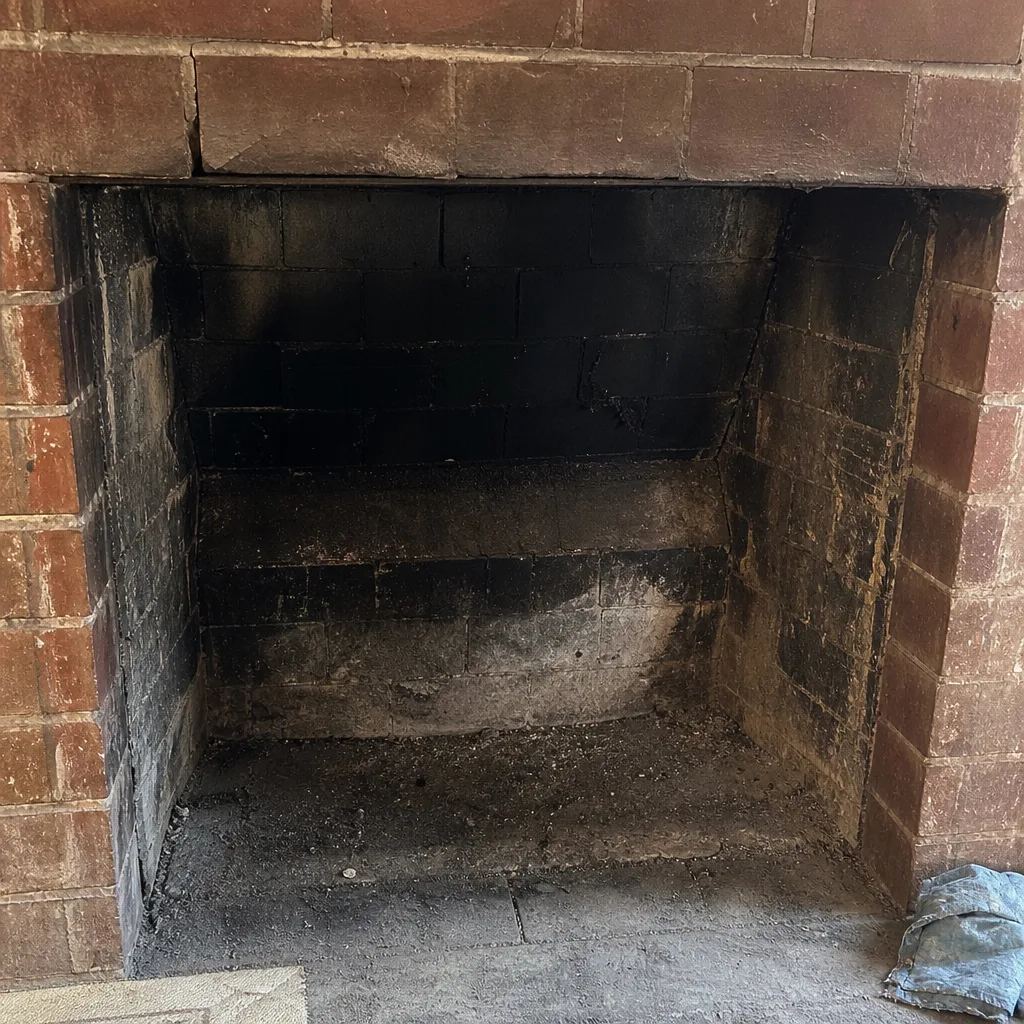 Before
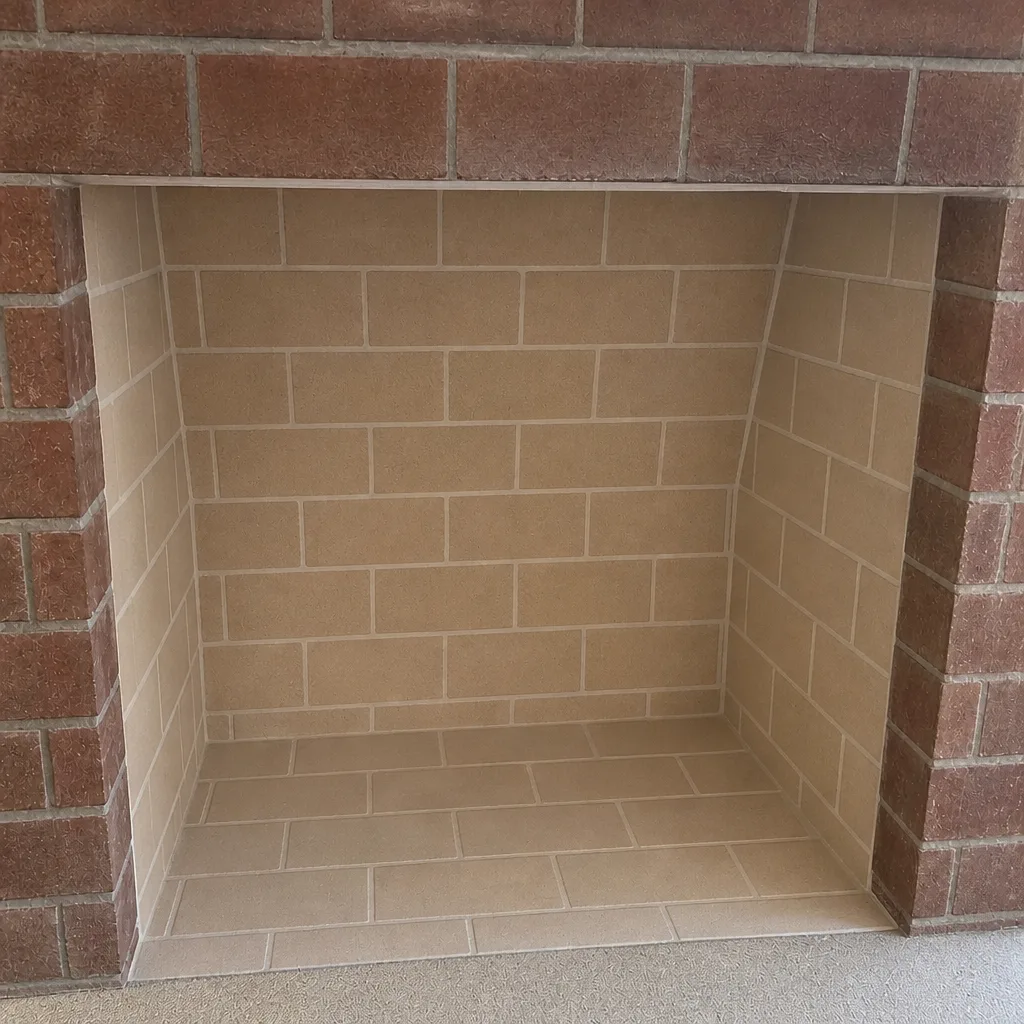 After
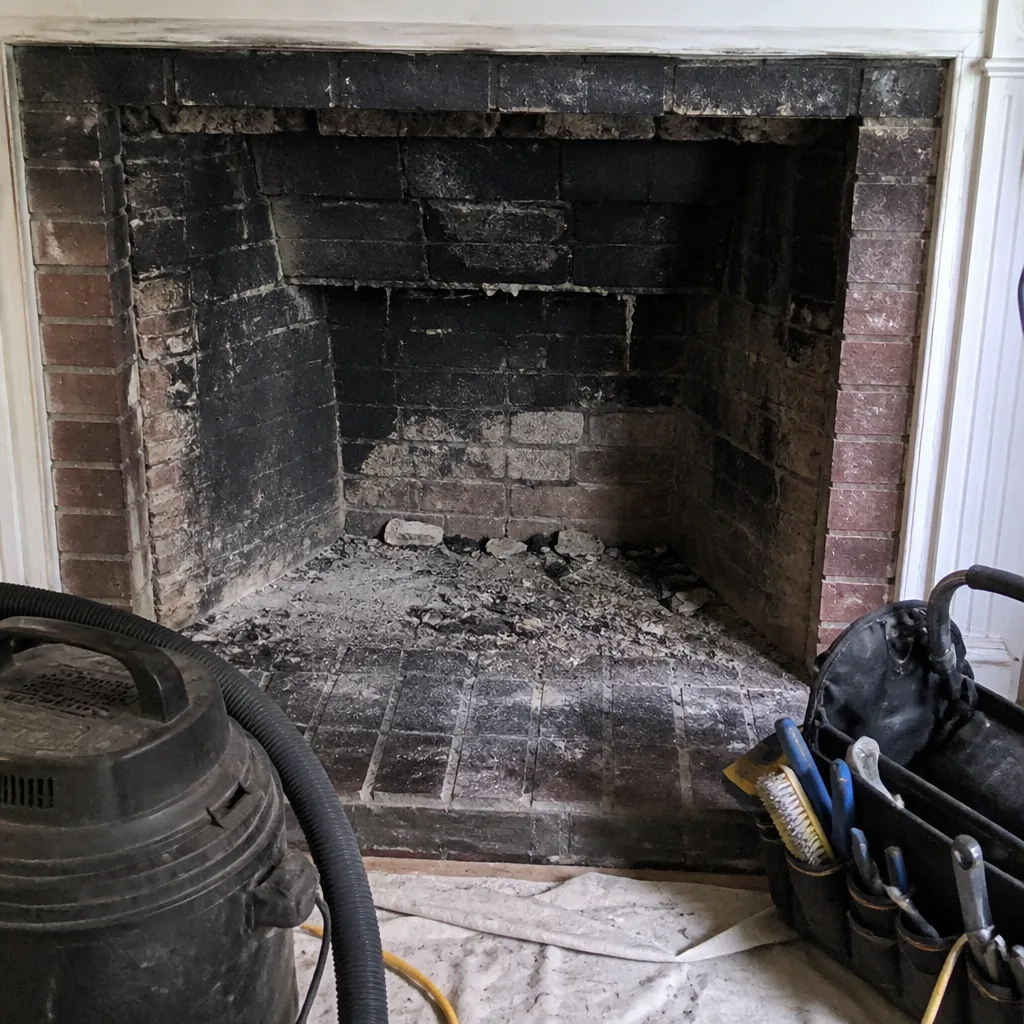 Before
 After
 Before
 After
When to Call a Professional
Some situations don’t require a judgment call. Call a chimney professional if any of the following apply:
- You’ve had a flue fire, chimney fire, or chimney smell that won’t clear out with the fire put out.
- You’ve never had the chimney inspected, or it’s been more than a year since the last cleaning.
- You have a wood-burning fireplace or stove that’s had more than one season of use without a cleaning.
- You have a gas fireplace insert that hasn’t been inspected since installation, or after any change to the log set.
- You see staining on the brick, a cracked crown, loose flashing, or a damaged or missing cap.
- Smoke rolls back into the room when you light a fire, which points to a blocked flue or a draft problem.
- You’re buying or selling a Rhawnhurst home and need documentation on the chimney’s condition.
Any one of these is a reason to call. None of them is a reason to climb on the roof or push a brush into a flue you can’t see the inside of. Chimney Sweep Rhawnhurst offers free estimates in Rhawnhurst. Call (866) 861-1187 to book an inspection. We answer 24/7. Fast dispatch from 7am to 7pm, Sunday through Friday.
Frequently Asked Questions
You can clean the firebox floor and check the damper by hand, and those tasks are genuinely safe for a homeowner. You can’t safely clean the full flue with a retail brush, and you can’t inspect it without a camera. If your chimney has had more than a fire season of use, the camera inspection is the reason to book a professional, not the brush work alone.
Once a year for a wood-burning fireplace that gets regular use through the season, and once a year for gas as well, though gas cleanings are lighter. Rhawnhurst’s burn season runs roughly October through March, so the natural time to book is before the first fire. A chimney that’s used heavily, or that burns unseasoned wood, may need a cleaning mid-season or closer to the end of the season rather than at the start.
The visible firebox looks clean, so the homeowner assumes the whole flue is clean and skips the next inspection. Two seasons later, a Stage 2 deposit has moved to Stage 3, and the risk of a flue fire goes up with it. A camera inspection after the cleaning tells you whether the flue is actually clean. Without it, the brush work is only a partial answer.
Only a camera inspection tells you that. If the clay flue tiles have cracked, spalled, or shifted at the joints, the flue is no longer contained, and a stainless liner or a resurfacing repair is the way to restore containment. A stainless DuraFlex liner is one option; the HeatShield ceramic resurfacing system is another when the clay flue itself is still structurally sound. We diagnose before we quote, and we show you the camera image before recommending either.
We don’t speak for any insurer, and the answer depends on the policy. What we can tell you is that professional work comes with a written inspection report and photographs, and a record is what an insurer can work from if a flue fire claim follows. A DIY cleaning leaves no record, and the absence of that record is where disputes begin. A professional cleaning gives you documentation.
You can clean a dormant gas fireplace’s firebox and log set yourself if the unit has been off for a season, and that’s the one genuine DIY scenario. You can’t do the inspection: no camera, no gas pressure gauge, and no spillage test with the tools a homeowner has. A gas fireplace insert should be inspected professionally every couple of years at minimum, and after any log set change.
Creosote keeps building. Stage 1 doesn’t cause a problem right away, but a season or two of skipping moves a Stage 2 deposit into Stage 3, and Stage 3 is the fuel a flue fire needs. A blocked or damaged flue also pushes smoke and carbon monoxide back into the house rather than up and out. There’s no visible warning until something goes wrong. Call (866) 861-1187 for an exact quote, estimates are free.
The Bottom Line
DIY chimney maintenance is a real option for the safe zone: firebox cleanup, damper checks, cap inspection from the ground, keeping the hearth clear. It’s not a substitute for a professional cleaning and camera inspection of the flue, and treating it as one is where the risk lives. The tools a professional brings, including the rotary system and the camera, aren’t available at a consumer scale, and the documentation a professional produces is what an insurer can work from if a claim follows. If you’re on the fence, the safer and clearer choice is to book the inspection and see what’s actually in your flue before deciding which column your chimney belongs in.
Call (866) 861-1187 for a free estimate. We answer 24/7. Fast dispatch from 7am to 7pm, Sunday through Friday. Chimney Sweep Rhawnhurst diagnoses before we quote, and every recommendation comes with the camera evidence to back it up. Protect your home from the flue up.
Written by the team at Chimney Sweep Rhawnhurst.