
Last updated November 22, 2026
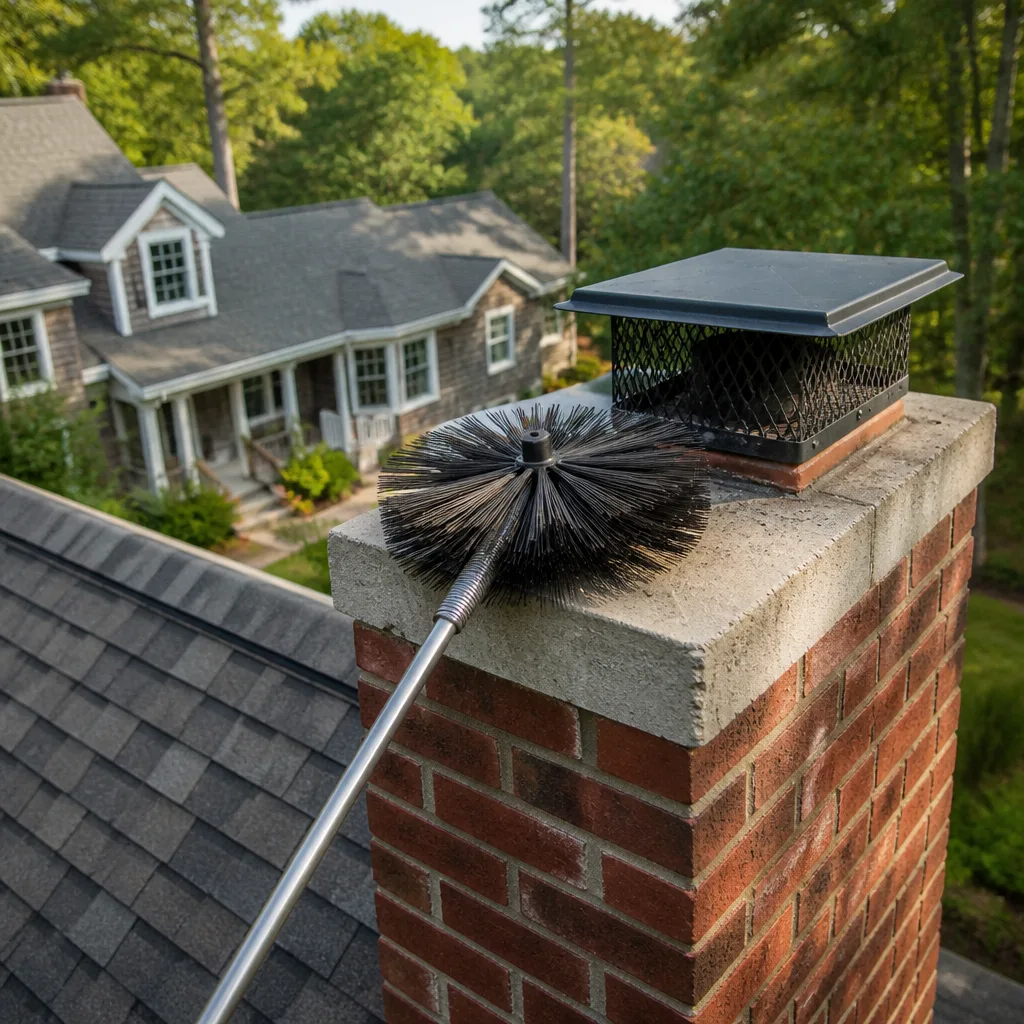 Sweep & inspection
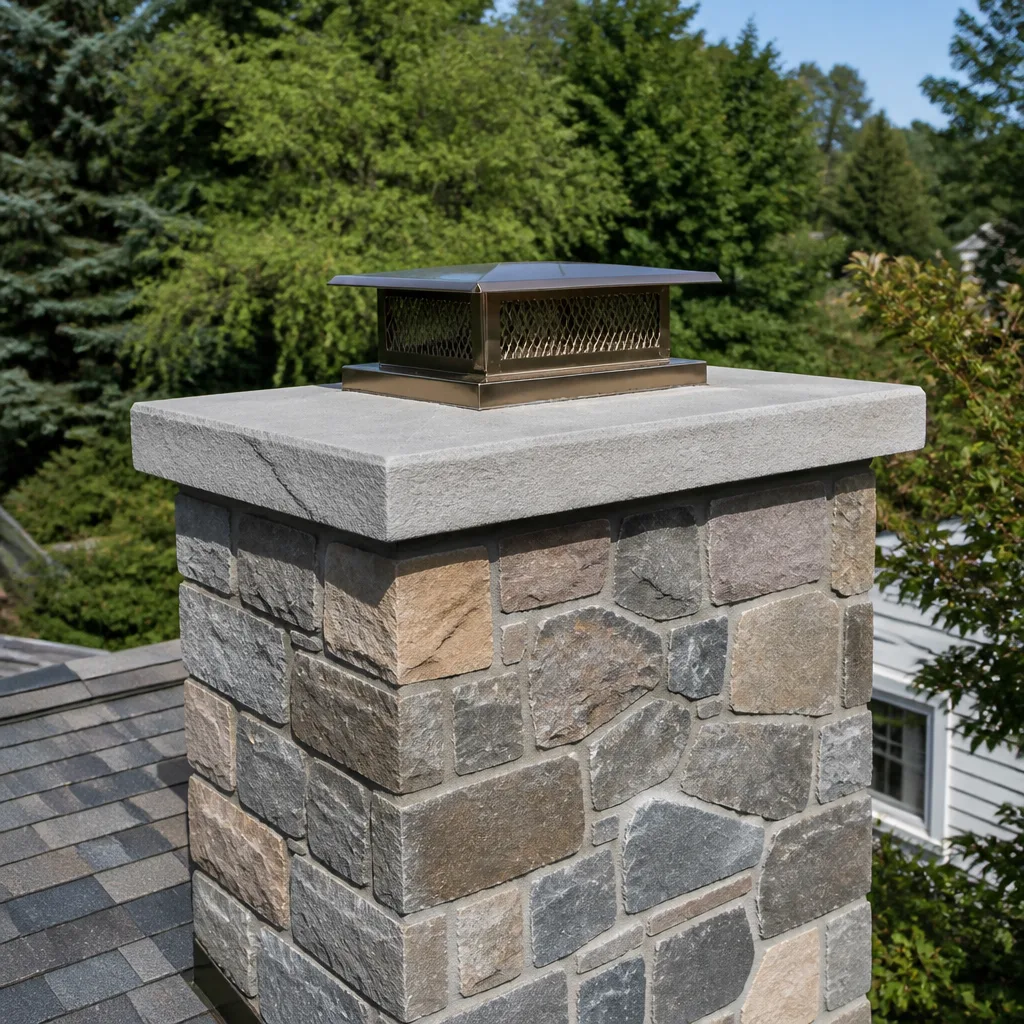 Caps & crowns
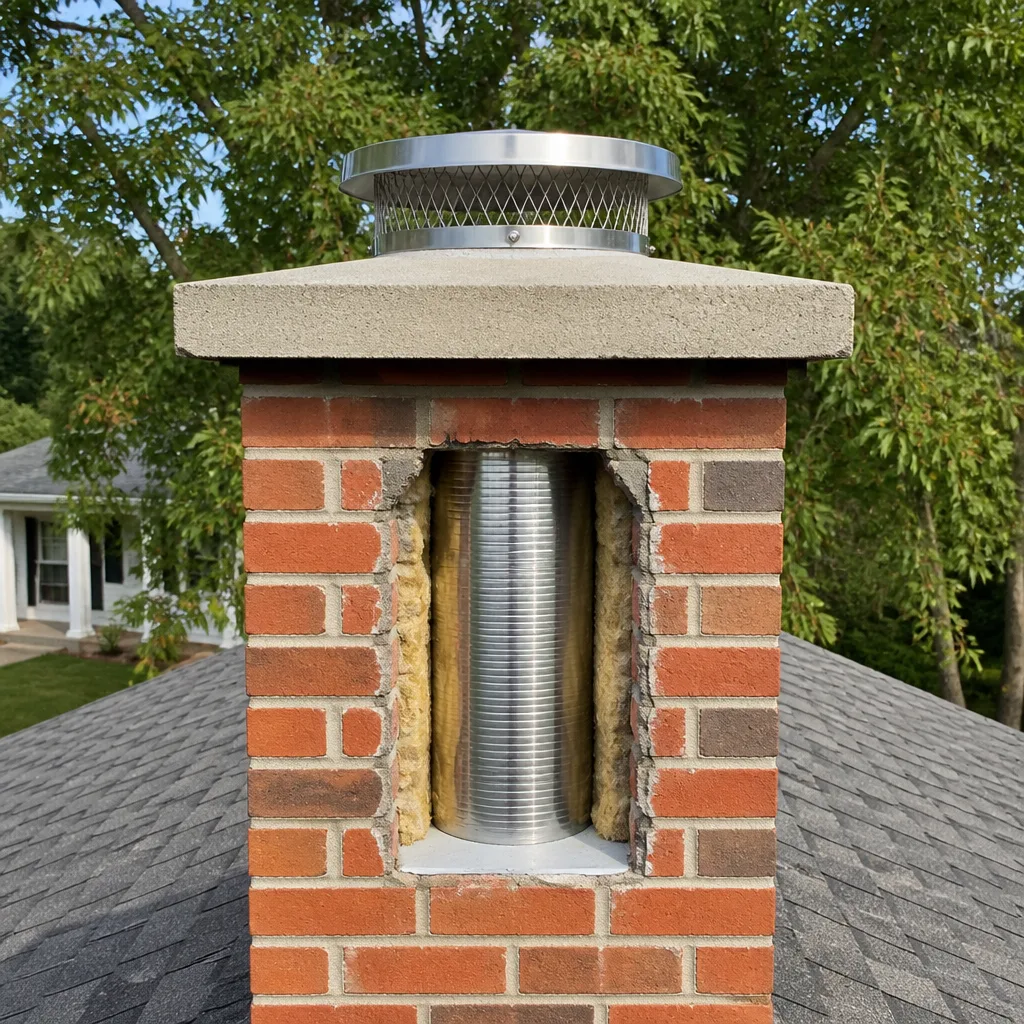 Flue relining
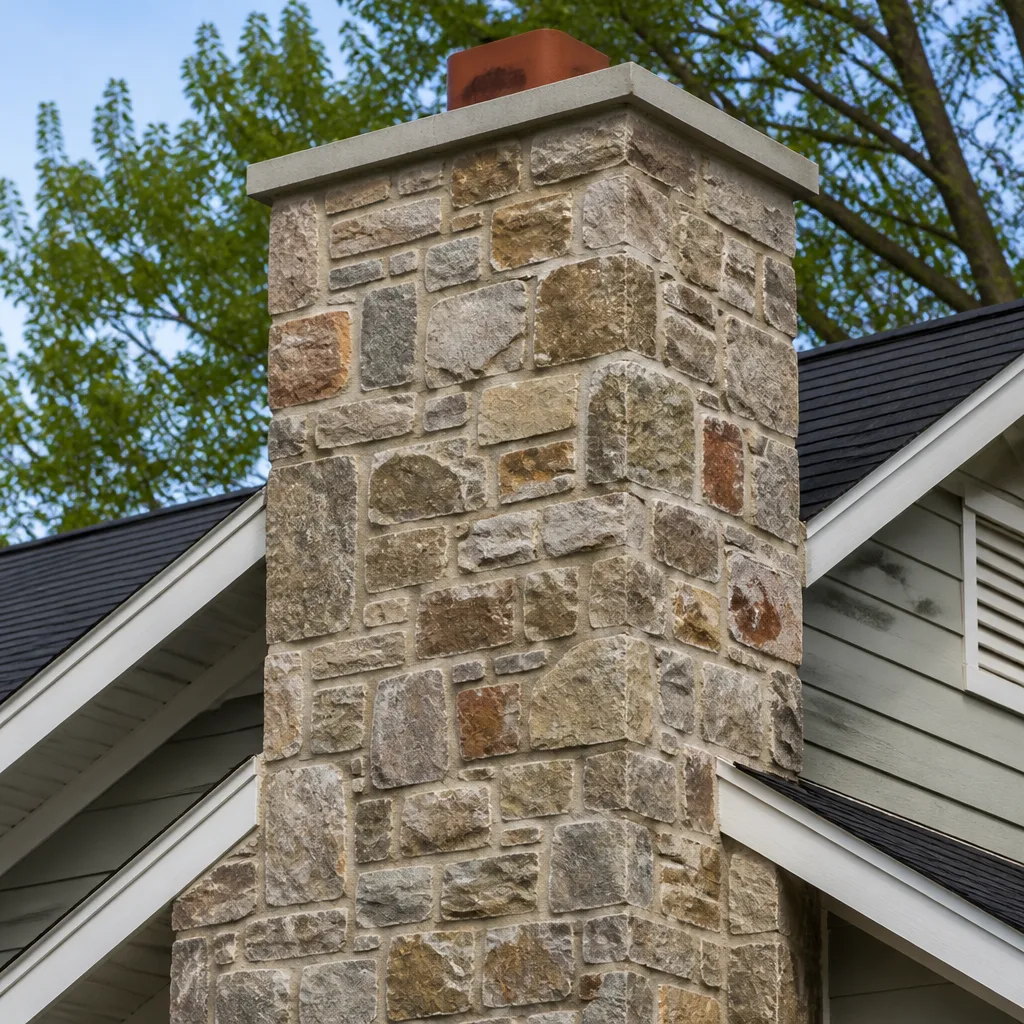 Masonry repair
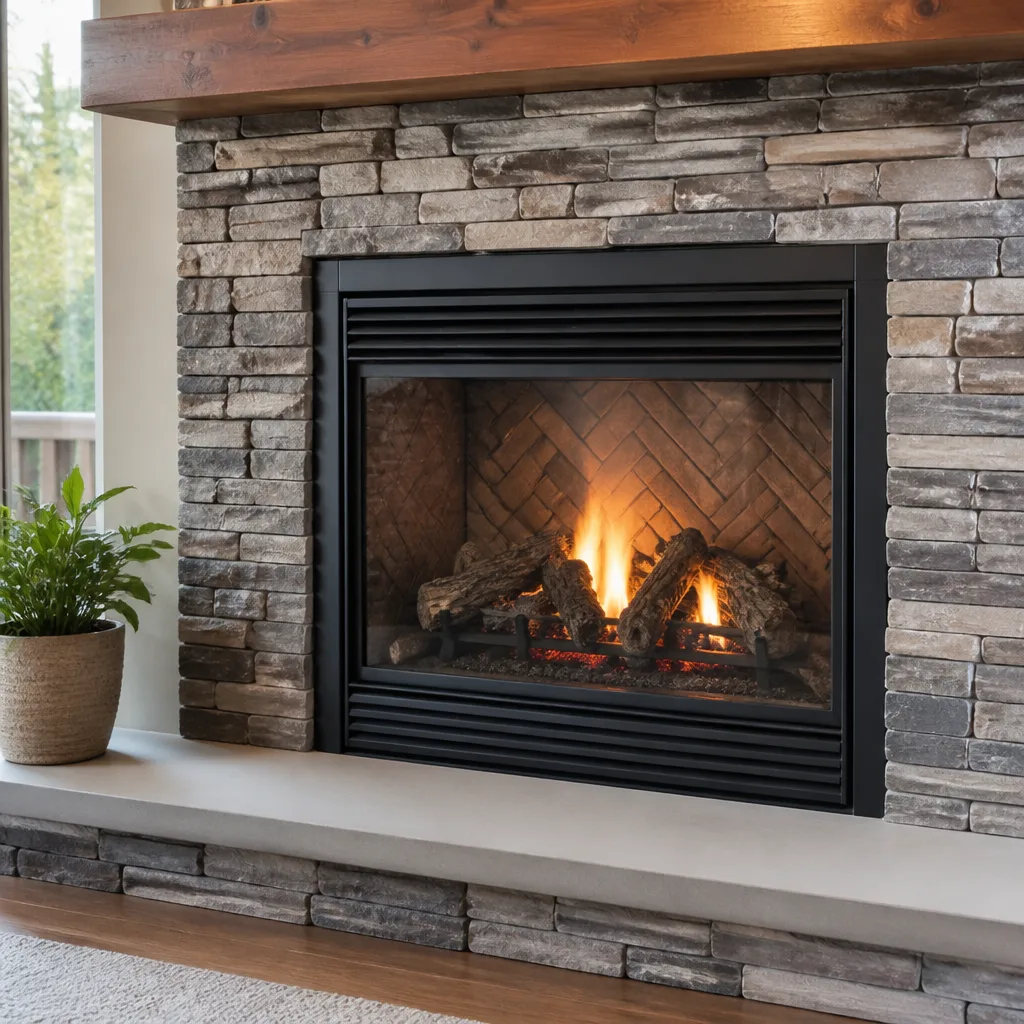 Gas fireplace service
Level 1 sweep and inspection to the NFPA 211 annual standard - flue, crown, cap, and flashing checked and photographed
Chimney sweep logs do not sweep chimneys. They loosen some creosote - which then falls where a brush and vacuum still have to collect it.
Chimney Cleaning Emergency Preparedness Guide for Rhawnhurst Homes
A chimney fire doesn’t always sound like an inferno. Sometimes it’s a low rumble and a slight odor, and by the time it’s loud, the liner has already cracked and hot gases are seeping into the wall cavity. Knowing what to do in the first two minutes matters. Most homeowners in Rhawnhurst don’t think about their chimney until something goes wrong, and when it does, they don’t know whether to call a sweep, the fire department, or their insurance company first. This guide prepares you for three specific chimney emergencies before they happen, so the decision-making is already done. You’ll learn the chimney fire response protocol, how to tell a draft problem from a carbon monoxide risk, what to do about an animal in the flue, and how to document damage for an insurance claim.
Quick Answer
For a chimney fire in Rhawnhurst, close the damper if you can do it safely, get everyone out of the house, and call 911. Don’t use the fireplace again until a Level 2 inspection confirms the liner and structure are sound. For a carbon monoxide alarm, treat it as a CO event, not a nuisance: leave the house, call 911, and have the flue and appliance inspected before you use either again. For an animal in the flue, don’t light a fire and don’t try to reach in; call a chimney professional who can remove it without damaging the flue.
Styles & brands we work with
- Sweep & inspection
- Caps & crowns
- Flue relining
- Masonry repair
- Gas fireplace service
Table of Contents
- Why Chimney Emergencies Happen Fast in Rhawnhurst
- Chimney Fire Response: What to Do in the First Two Minutes
- What a Level 2 Inspection Looks For After a Chimney Fire
- Carbon Monoxide and Backdrafting: Telling the Difference
- Animal Intrusion: What to Do When Something Is in the Flue
- How to Document Chimney Damage for Insurance
- Pre-Season Preparedness: The Checklist to Complete Before Burning Season
- When to Call a Professional
Why Chimney Emergencies Happen Fast in Rhawnhurst
Rhawnhurst is a neighborhood of brick rowhouses and older single-family homes built largely in the mid-20th century. Many of those chimneys were designed for oil or coal and later converted to wood-burning fireplaces or gas appliances, and the original flue linings weren’t always updated to match the new fuel. That mismatch is one reason chimney problems in Rhawnhurst tend to escalate quickly: a flue that worked fine with one appliance can create creosote buildup or condensation damage with another.
Philadelphia’s climate plays a role too. Our winters swing between cold snaps and mild stretches, so fireplaces get used intermittently rather than steadily. Intermittent burning produces cooler flue temperatures, and cooler flue temperatures mean more creosote deposits, especially the glazed, hard-to-remove kind. The narrow lots and shared walls common in Rhawnhurst rowhouses add a wrinkle: a chimney fire in one unit can put stress on the shared masonry structure, which is why catching it early matters for more than just your own home.
We’ve seen enough of these situations to know that the homes that come through an emergency best are the ones where the homeowner had a plan before anything happened. That’s what this guide is for: not to scare you, but to give you the answer you’d otherwise be searching for at the wrong moment.
Key Takeaways:
- Know your damper handle location before you ever need it.
- Have a chimney sweep’s contact information saved to your phone.
- Keep a working CO detector within 15 feet of sleeping areas.
- Understand that a cracked liner on a gas appliance is a carbon monoxide event, not just a repair.
Chimney Fire Response: What to Do in the First Two Minutes
If you suspect a chimney fire, close the damper, get everyone out of the house, and call 911. Don’t use the fireplace again until a Level 2 inspection confirms the flue and surrounding structure are safe. Those two minutes decide whether you lose a liner or lose the house, so the sequence should be automatic.
Here’s the order we explain to Rhawnhurst homeowners, in plain steps:
- Recognize the signs. A chimney fire doesn’t always roar. Watch for a low rumble or whooshing sound, a strong, hot smell, puffy smoke from the chimney top, or discolored, warped metal on the flue cap. If you see or hear any of that, move to step two.
- Close the damper. Cutting the air supply starves the fire. Keep your hand low near the fireplace opening and reach up to the damper handle, and don’t put your face near the firebox.
- Leave the house. Get everyone outside, including pets, before you do anything else. Don’t wait for the fire to grow into something you can see clearly from inside.
- Call 911. Describe what you smelled, heard, or saw. The fire department will assess the chimney and surrounding structure.
- Don’t use the fireplace again until a Level 2 inspection is completed and you have it in writing that the flue is sound.
One thing that surprises people: a slow, smoldering chimney fire can burn itself out and leave damage you can’t see. The fire department may check the firebox and the roof, but they aren’t chimney inspectors. The visual pass from the roof is a first check, not a clearance. Only a proper inspection tells you whether the liner cracked or the masonry separated.
What a Level 2 Inspection Looks For After a Chimney Fire
A Level 2 inspection after a chimney fire checks the entire chimney, not just the firebox, and it looks specifically for cracked or separated flue tiles, loose mortar joints, warped or damaged metal liners, gaps at the joints, and damage to the cap and crown. It also checks clearances from combustibles, because a fire can char wood framing inside the wall cavity even when the firebox looks fine from below.
After a chimney fire in Rhawnhurst, the Level 2 inspection typically involves a camera run of the flue and a visual check of the attic, the roof, and the areas around the chimney chase. The inspection should confirm whether the liner is intact and properly sized for the appliance, whether the crown is cracked, and whether the whole assembly can be used again or needs repair.
This is where specialty matters. A Level 2 inspection isn’t a flashlight-and-mirror glance. It requires a camera, and in our experience the findings need to be backed by something you can see for yourself. When we work with the local professionals we connect you with, the camera inspection and photo report come with the visit, so you’re looking at the same evidence we are, not a description of a problem you have to take on faith.
If the flue needs relining, the two options you’ll hear about are full relining with a stainless system from a brand like DuraFlex or resurfacing with HeatShield. Resurfacing can restore an intact tile flue and often postpones a full replacement; full relining replaces the liner entirely. Both are professional-grade paths and which one applies depends on the inspection results, not on what’s easier to sell.
Related reading: If your inspection points to damage, our chimney repair page walks through common repairs, from crown cracks to flue tiles.
Carbon Monoxide and Backdrafting: Telling the Difference
A carbon monoxide alarm near your gas or wood appliance is a CO event: it means the flue isn’t venting properly, and it deserves the same response as a fire alarm. A backdrafting problem, by contrast, is usually visible as smoke that curls back into the room instead of going up the flue. Both are serious, but the CO one is silent and can’t be ignored even briefly.
The key distinction is simple. Backdrafting is air pressure pulling combustion gases back into the house, often because the chimney is blocked, the flue is too cold on a mild day, or another exhaust appliance (a dryer, a bathroom fan) is competing for indoor air. You see smoke, or you smell it. A carbon monoxide event may have no smell and no smoke. A cracked liner on a gas appliance is exactly this scenario: the appliance is burning cleanly, but the combustion gases leak through the crack into the wall cavity or the house instead of going up and out. That’s a carbon monoxide event, not just a repair.
If a CO detector goes off in your Rhawnhurst home:
- Get everyone outside first. Call 911 from outside the house.
- Don’t open windows or turn things on and off as a way to clear the alarm. Leave the situation as it is so the fire department can find the source.
- Have the flue and the appliance inspected before you use either again. A CO alarm isn’t cleared by airing out the room.
- Keep CO detectors within 15 feet of sleeping areas and test them regularly. Rhawnhurst rowhouses often have bedrooms on the second floor near the chimney chase, so that’s the placement that matters most here.
If smoke rolls back into the room rather than going up the flue, that’s a draft issue. It doesn’t always mean a dangerous failure, but it’s worth diagnosing. A qualified sweep can tell you whether it’s a blocked flue, a sizing problem, or a pressure issue that needs the appliance checked.
Animal Intrusion: What to Do When Something Is in the Flue
If an animal is in your flue, don’t light a fire, don’t reach in, and don’t try to dislodge it yourself; call a chimney professional who can remove it and inspect the flue afterward. Animals that get trapped fall into a soot-covered flue with nowhere to climb, and an untrained attempt to help can send nesting material down onto the smoke shelf or damage the flue walls.
Rhawnhurst homeowners most often run into birds, squirrels, and raccoons, with chimney swifts being a common summer case. Chimney swifts are a protected migratory bird, and if a swift nesting site is in your flue you cannot remove it during nesting season without a federal exception; the right move is to wait out the nesting period and then have the flue cleared and capped. A proper chimney cap is the permanent fix, and installing one on every flue is the best prevention you can buy. It keeps the birds, squirrels, raccoons, and rain out at the same time, and it’s a fraction of the cost of a liner rebuild.
Nesting material is also a fire hazard. A nest sitting on the smoke shelf means a fire can ignite it, and the resulting fire sends hot debris up the flue. That’s one more reason to remove the nest and then cap the flue before heating season starts in the fall.
Related reading: Our chimney cap & crown page covers the capped, crowned, and finished job, which is the single best way to make this a one-time event.
How to Document Chimney Damage for Insurance
Document chimney damage for insurance by photographing everything before it’s cleaned or repaired, writing down what you saw and heard and when, and asking the fire department for an incident report number. Insurers rarely accept a claim on a verbal description, and they won’t accept one that comes after the physical evidence is gone.
Here’s how to build a record that stands up to a claim:
- Photograph before you touch anything. Get the firebox interior, the damper, the top of the chimney from a safe vantage point (from the ground with a zoom, or from a window, never from a ladder), any smoke staining in the room, and the area around the chimney on the roof if you can see it safely.
- Write down the details while they’re fresh. The date, the time, what you smelled or heard, whether the damper was closed, and how long the event lasted.
- Ask the fire department for a report. Request the incident report or report number and the responding station. For insurance, this is the single most useful document you can get.
- Get a written inspection report. The Level 2 inspection report with photos and a written scope of findings is your primary evidence of physical damage. Keep it and give a copy to your adjuster.
- Don’t let anyone repair before you document. If a sweep or contractor wants to clean up before you’ve photographed, ask them to wait, or photograph the cleaned state with a written note of what was removed.
Rhawnhurst homes on shared walls deserve one extra step: photograph the adjoining wall on both sides of the chimney if the damage crossed the party wall. Insurers sometimes push back on shared-wall claims, and a photo taken before repairs is the difference between a covered claim and a disputed one.
Pre-Season Preparedness: The Checklist to Complete Before Burning Season
Before the first fire of the season, have a plan in place: your sweep’s contact information saved, the damper handle located, and a tested carbon monoxide detector within 15 feet of each sleeping area. The whole checklist takes about an hour and it’s the difference between knowing what to do and searching for the answer in a panic.
Here’s the pre-season list for a Rhawnhurst home:
- Save a sweep’s number. Put a chimney sweep’s number in your phone and on the fridge before you need it. If the phone line matters, ours at Chimney Sweep Rhawnhurst is (866) 861-1187.
- Locate the damper handle. Open and close it once so you know the motion and whether it moves freely. A damper that’s stuck open is a draft and heat loss problem; one that’s stuck closed is a smoke problem.
- Test the CO detector. If the detector isn’t within 15 feet of your sleeping area, move it or add one. Replace batteries now, not in January.
- Look up at the chimney from the ground. Check for a missing cap, a cracked crown, a leaning stack, or anything that looks different from last year. Don’t climb up yourself, particularly on older rowhouse roofs.
- Book the annual inspection and cleaning. A sweep before the first fire, not after, is the one habit that makes everything else in this guide less likely to be needed.
One more thing that helps: know that our technicians have up to 15 years of experience, and the local professionals we connect you with are licensed and insured as their state requires. That’s the standard to hold every sweep to, whether it’s us or anyone else in Rhawnhurst.
Related reading: If you want the routine annual work explained, our chimney sweep page covers what a proper sweep and inspection includes.
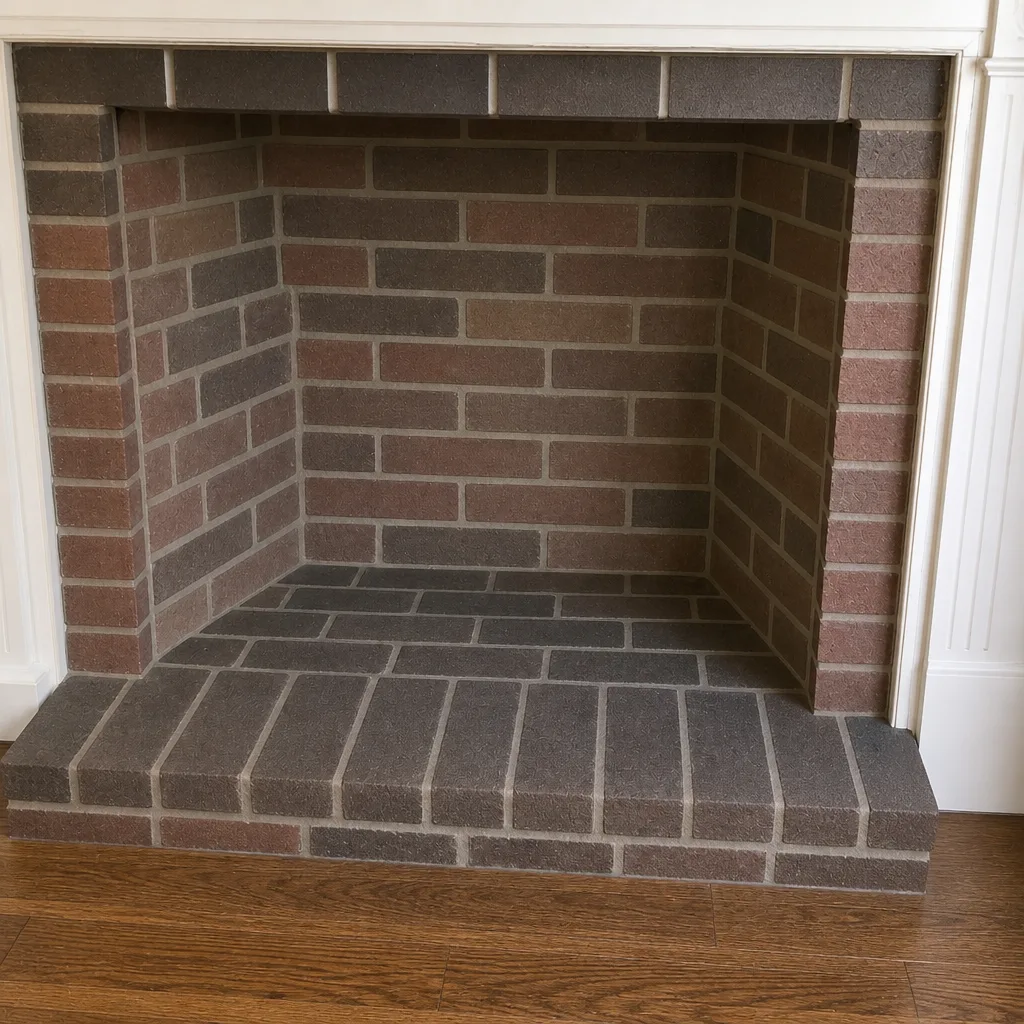
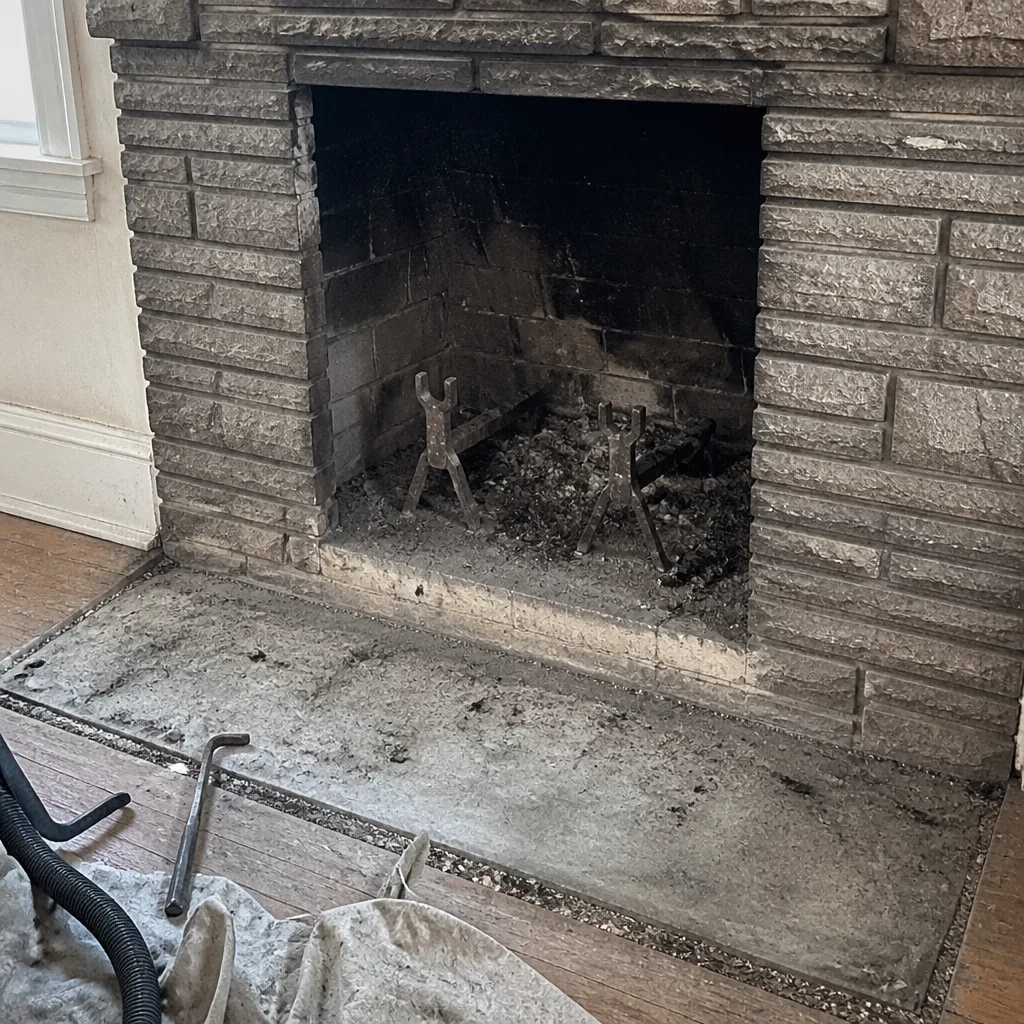
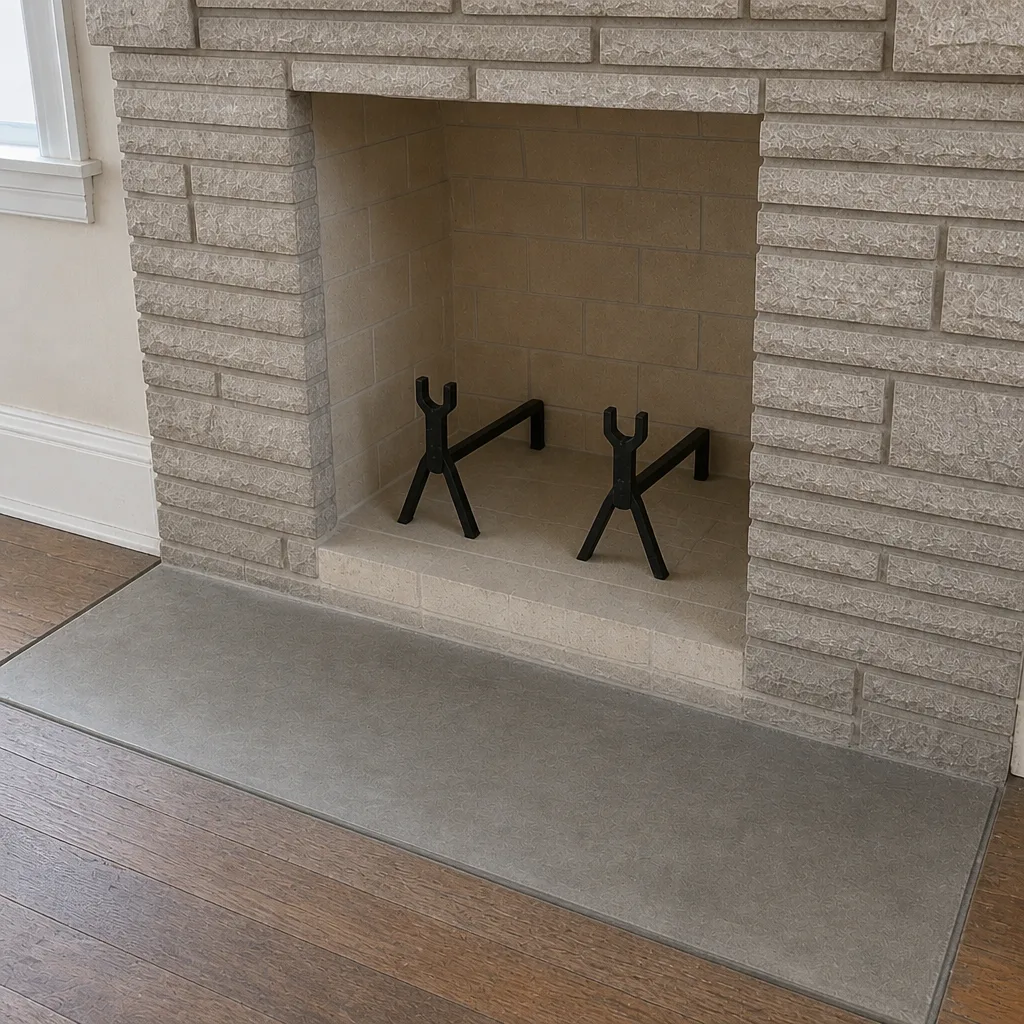
See the difference
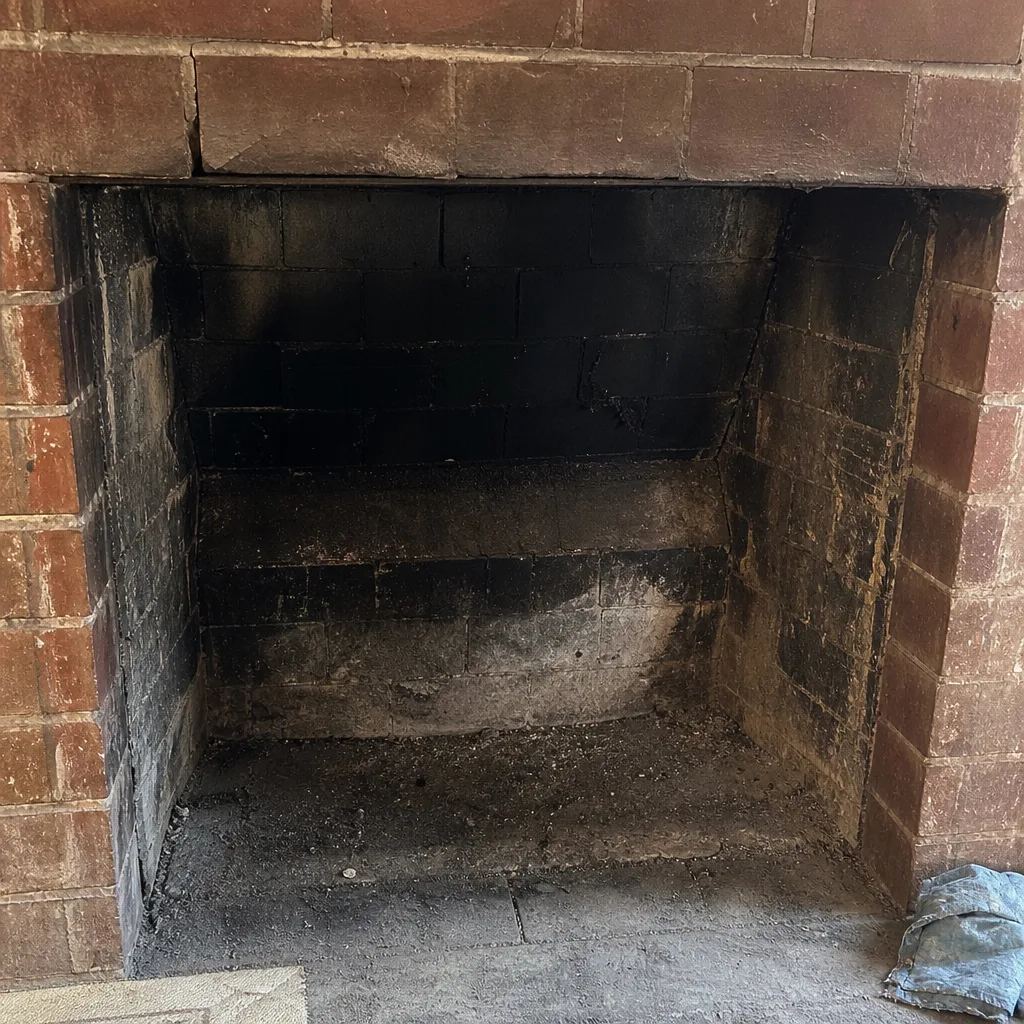 Before
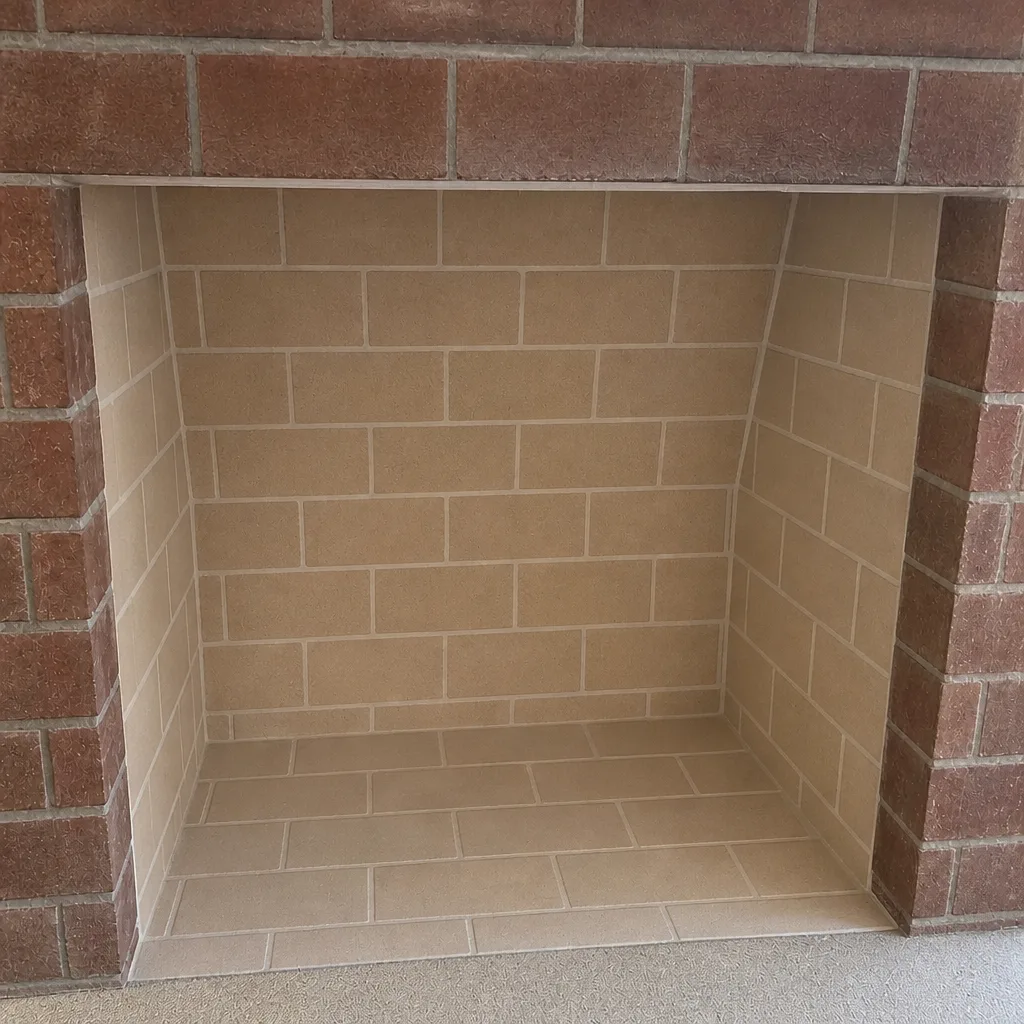 After
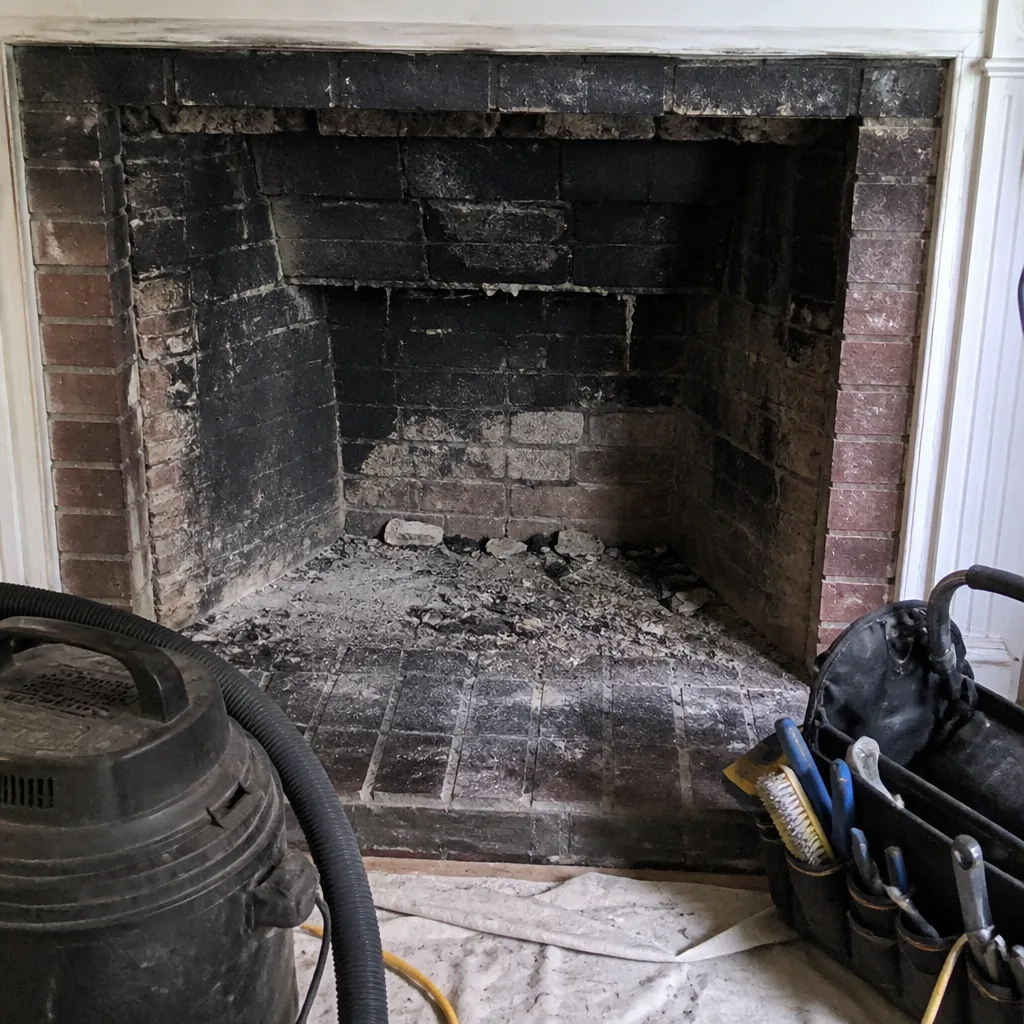 Before
 After
 Before
 After
Common Mistakes to Avoid
- Using the fireplace again right after a chimney fire. The firebox might look fine, but a cracked liner is invisible from below. Wait for a Level 2 inspection before the next fire, no exceptions.
- Ignoring a CO alarm as a nuisance. Opening windows and going back to bed is the wrong move. Leave the house and treat it as a real event every time. This is the single most important habit for Rhawnhurst homes with a gas appliance on the chimney.
- Cleaning up before you call insurance. You can’t claim damage you’ve already swept away. Photograph first, clean second, and get a fire department report number if there was a fire.
- Burning fires to “clear” a bird nest. It’s a fire hazard and it’s illegal for protected species like chimney swifts during nesting season. Cap the flue and call a sweep.
- Patching a cracked crown with caulk. A cracked crown lets water into the chimney structure, and patching it from the ground doesn’t fix the water path. Crown work is structural and should be done properly.
- Letting a neighbor’s rowhouse smoke problem go unmentioned. In Rhawnhurst rowhouses, a shared-wall smoke or smell issue can put both homes at risk. Say something and get it inspected.
- Relying on a handyman for chimney work. Chimney sweeping, inspection, and repair are a specialty. A generalist can clean a firebox, but the liner inspection, the Level 2 camera work, and the rebuild are a different skill set.
When to Call a Professional
Call a professional for any suspected chimney fire, any CO alarm event, any animal or nesting situation in the flue, any visible smoke in the room or backdrafting, and any fire used after a long gap in burning. For routine work, call for the annual sweep if you burn wood regularly, if creosote has built up, or if it’s been a full heating season since the last inspection. Call sooner if you smell smoke when you don’t have a fire going, notice soot streaks around the firebox, or see damage to the cap or crown from the yard.
Chimney Sweep Rhawnhurst offers free estimates in Rhawnhurst, and one call covers the sweep, cap and crown, liner, repair, and fireplace repair work that comes after an emergency. Chimney work is all we do, so the person who inspects your flue is the person who knows how to fix it. Call (866) 861-1187. We answer 24/7. Fast dispatch from 7am to 7pm, Sunday through Friday. A call outside dispatch hours is booked into the next opening, Sunday through Friday, 7am to 7pm.
Frequently Asked Questions
A standard chimney sweep and inspection in Rhawnhurst typically runs in the range a homeowner can plan for, and the written estimate you receive before the work sets the final price. The cost depends on how much creosote is present, whether the flue needs a camera run, and whether capped or difficult-to-access roofs are involved. Estimates are free, so you’ll know the number before anything is booked. Call (866) 861-1187 for an exact quote.
Not necessarily. A new liner is needed only if the Level 2 inspection shows the existing liner has cracked, separated, or failed. If the tile flue is intact and only the smoke shelf needs cleaning, the inspection report will say so and you don’t need a liner. Resurfacing with HeatShield is also an option before a full replacement, and it can restore a flue that’s still structurally sound. Nothing is recommended without camera evidence you can see for yourself. Call (866) 861-1187 to book the inspection and get a straight answer.
A wood-burning chimney should be swept once a year, or sooner if you burn heavily, and a gas appliance chimney should be inspected once a year to check the vent and the liner. In Rhawnhurst’s intermittent winters, creosote builds up more slowly than in a home that burns daily, but the annual inspection still catches cracked flues before they become a fire or a CO risk. Annual frequency is the standard for a reason. Call (866) 861-1187 to book yours before burning season.
Skipping a sweep lets creosote build up inside the flue until a hot fire ignites it, which is how most chimney fires start. A chimney fire can crack the liner, and a cracked liner on a gas appliance becomes a carbon monoxide problem you can’t see or smell. This is not a scare tactic, it’s the mechanism of how chimney fires happen. Booking the sweep is the prevention. Call (866) 861-1187 for a free estimate.
You can clean a flue yourself if you’re comfortable on a roof and have the right brushes, but you can’t complete the Level 2 inspection that a fire or CO event requires, and that’s the part that matters most. The inspection is where the cracks, gaps, and clearance problems show up, and it’s the report your insurer will ask for. For anything beyond a routine brush, call a professional. Call (866) 861-1187 to book a sweep and inspection.
It depends on the extent of the crack. A single small crack in an otherwise sound tile flue can sometimes be resurfaced with HeatShield, while a flue with multiple broken or separated tiles usually needs a full stainless reline with a system like DuraFlex. Either way, the liner has to be restored before you run the appliance again. The inspection report tells you which path applies, and you decide with the evidence in front of you. Call (866) 861-1187 for a free estimate.
The Bottom Line
Chimney emergencies in Rhawnhurst are predictable enough that you can decide what to do before they happen. A suspected chimney fire means close the damper, leave the house, and call 911, then wait for a Level 2 inspection before the next fire. A CO alarm means the same evacuation, followed by a flue and appliance inspection, because a cracked liner on a gas appliance is a carbon monoxide event, not a repair. An animal in the flue means no fire and a call to a sweep. Above all, have a plan before burning season: save a chimney sweep’s number, find your damper handle, and make sure CO detectors sit within 15 feet of every sleeping area. Protect your home from the flue up.
If you’d like that plan backed by a specialist, Chimney Sweep Rhawnhurst handles the sweep, inspection, cap and crown, liner, and repair work in one place. Our technicians have up to 15 years of experience, and the local pros we connect you with are licensed and insured as their state requires. Call (866) 861-1187. We answer 24/7. Fast dispatch from 7am to 7pm, Sunday through Friday.
Written by the team at Chimney Sweep Rhawnhurst.